

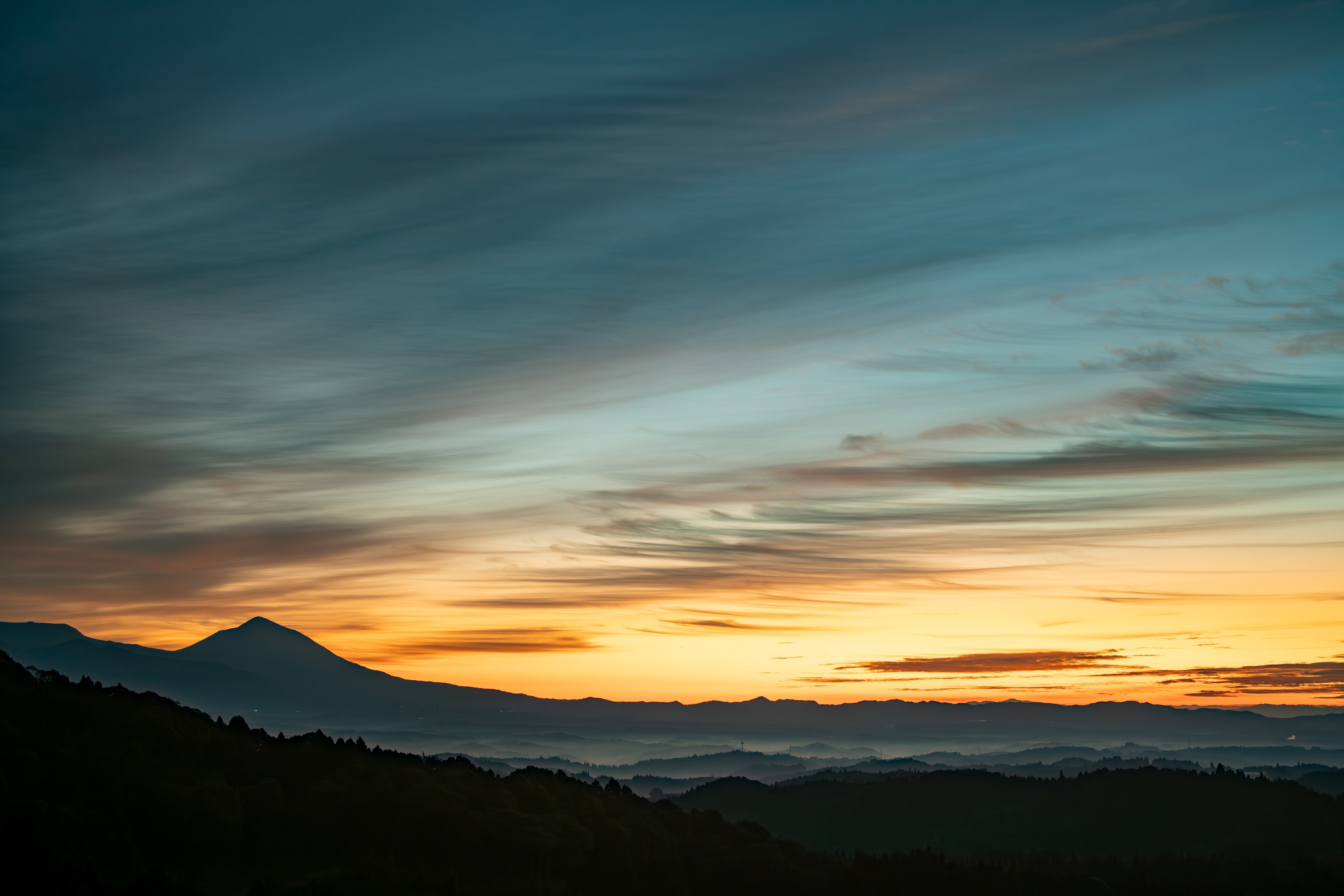
Kirishima, where our tea fields lie, is a land through which the stories of the gods have been handed down since ancient times. Standing on the highland wrapped in morning mist, one senses a little of why this place was chosen as the stage for myth. Here we share the mythology of Kirishima, and the tea grown on the plateau at its foot, as a story of the land.
The Legend of the Heavenly Descent
Japanese mythology tells of Ninigi-no-Mikoto, grandson of the sun goddess Amaterasu, descending from the heavenly realm of Takamagahara down to earth—a story known as the Tenson kōrin, the Heavenly Descent. The place said to be where he alighted is Mount Takachiho in the Kirishima range. At its summit still stands the Ama-no-Sakahoko, a halberd said to have been thrust upside down into the peak by Ninigi-no-Mikoto.
Kirishima Shrine and the Faith of the Mountains
Enshrining Ninigi-no-Mikoto as its principal deity is Kirishima Shrine, which sits on the slopes of the Kirishima mountains. Its halls, surrounded by ancient cedars, have drawn people's faith over a long span of time. Its history—rebuilt again and again after being lost to volcanic eruptions—speaks of the deep bond between the people who live on this land and the mountains of Kirishima.
The Mist-Wrapped Highland Climate
As the place name Kirishima ("island of mist") suggests, this land is a highland rich in mist. Mist gathers over the plateau at dawn and clears slowly as the day rises. This mist, together with the fertile, well-drained soil the volcanoes have given, and the large day-night temperature range—this climate that became the stage for myth is also, just as it is, a land that nurtures fine tea. The mist is said to soften the strong sunlight and act like a natural cover protecting the tea's new shoots.
On the Plateau at Its Foot
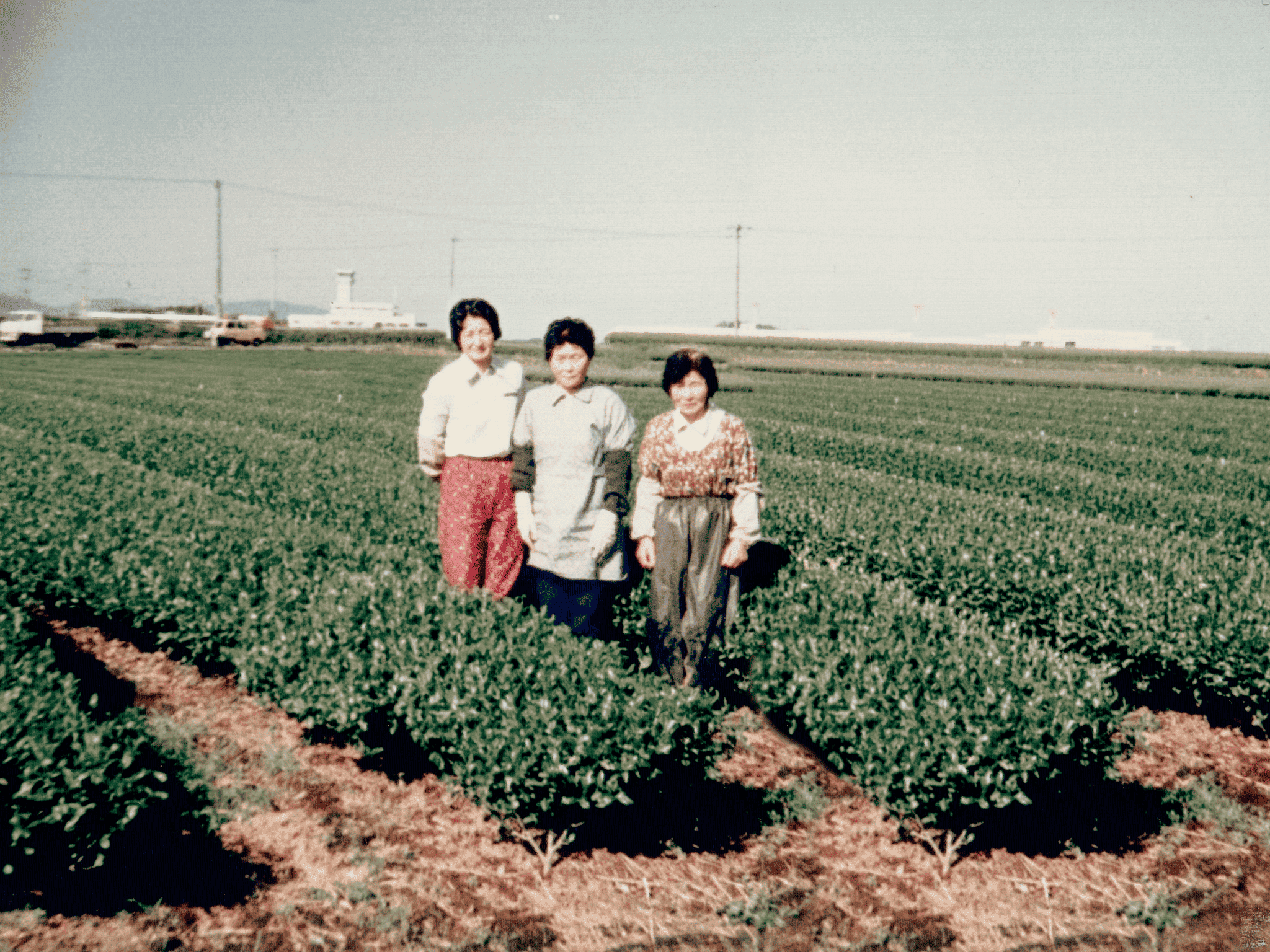
The tea fields of Imamura Tea Plantation lie precisely on this plateau spreading at the foot of the Kirishima range. The myths are, of course, general folklore; but on the mountains where the gods are said to have descended, we make tea nurtured by the same mist and soil—that fact of the land, at least, is certain. Perhaps behind a cup of Kirishima tea lies this layering of myth and climate.
The Land of Kirishima and Its Tea
You can read about what the Kirishima climate brings to tea in What Is Kirishima Tea, and about our own journey in The Story of Imamura Tea Plantation.
Frequently Asked Questions
Q. Is Kirishima or Takachiho the site of the Heavenly Descent?
There are several proposed sites for the legend, but Mount Takachiho in the Kirishima range is known as one of its most prominent claimed locations.
Q. How does mist affect the tea?
Mist is said to soften strong sunlight and maintain moderate humidity. Combined with the highland temperature range, it is regarded as a feature of a land that nurtures tea with umami and aroma.
Share:
Deliberately Freezing the Tea Fields? The Science of Frost Protection in the Kirishima Highlands
How to Store Green Tea Properly: Keeping Kirishima Tea Delicious to the Last Cup