

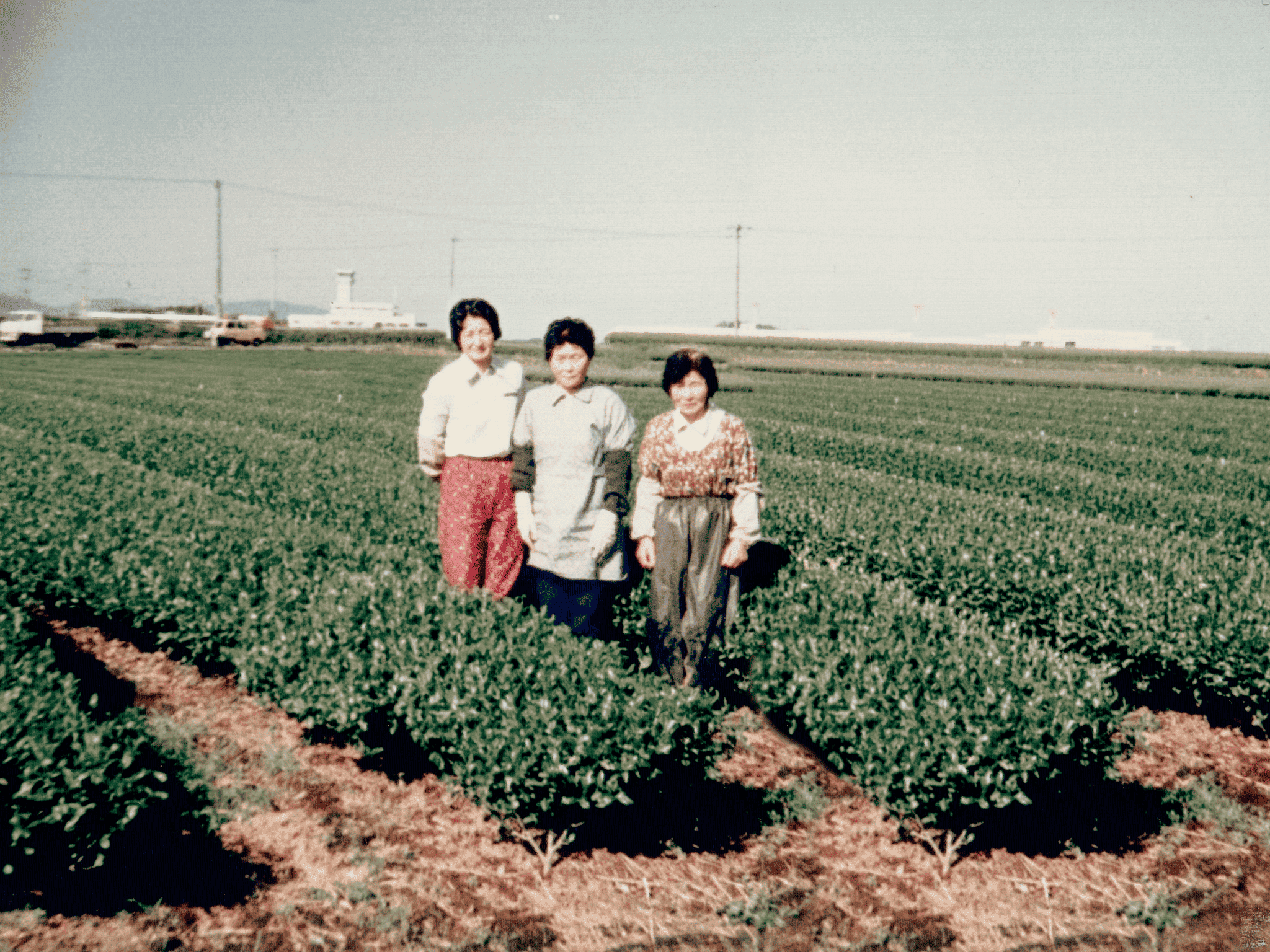
On our tea fields in Kirishima, old tea plants more than 80 years of age still remain. The cultivar's name is yamatomidori. This native variety, planted by Hisae, the founder of Imamura Tea Plantation, around the postwar years, lives on today as black tea, across the passing of eras. Here we share its story, within the bounds of what is recorded on our Story page.
The Plants Hisae Set in the Ground
The beginning of Imamura Tea Plantation goes back to around 1947, in the turbulent years after the war. Our founder, Hisae, began planting tea as one part of the farm, alongside raising livestock. In an era when black tea was being encouraged nationwide, what Hisae first planted was the native variety yamatomidori.
Toward the Age of Green Tea
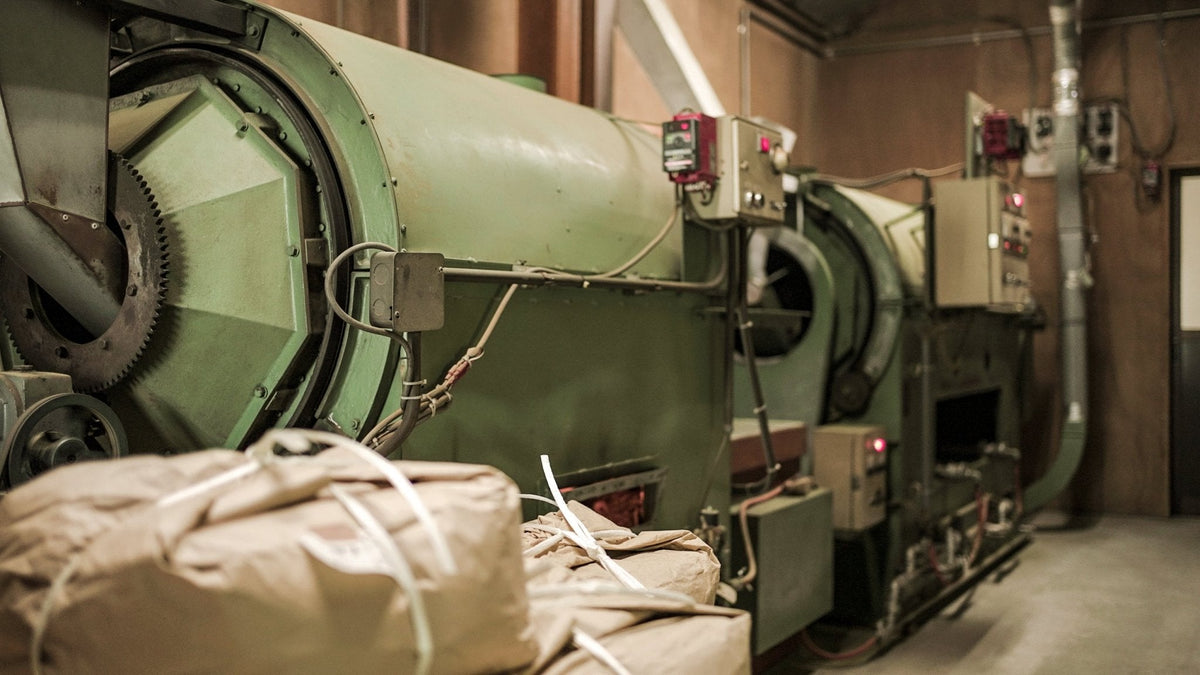
In time, entering the 1960s, Japanese tea shifted dramatically from black tea to green tea. On many farms, native varieties suited to black tea were replaced with cultivars better suited to green tea. Imamura Tea Plantation, too, moved toward becoming a farm centered on green tea, and in 1970 the second-generation Yoshiharu built a processing factory of his own, establishing an operation that carried tea seamlessly from cultivation through to processing.
Yamatomidori, Still Living Today
Even amid all that change, the yamatomidori plants Hisae first set in the ground were left standing. On a south-facing field overlooking the runway of Kagoshima Airport, those plants still hold their roots today. More than 75 years since they were planted. Now, in the age of green tea, yamatomidori lives on quietly, without a word, as Japanese black tea.
What Dwells in a Cup of Japanese Black Tea
The plants our founder set in the ground still put out leaves on the same land, three generations on, and become a cup of Japanese black tea—for us, that is not merely history but a fact right at the side of our daily tea work. Adopting new cultivars and techniques as the times require, while also keeping that one first planting alive: both together make Imamura Tea Plantation what it is today.
The Story of Imamura Tea Plantation
You can read about our journey from Hisae to today in The Story of Imamura Tea Plantation, and about the land of Kirishima that nurtures the tea in What Is Kirishima Tea.
Frequently Asked Questions
Q. What kind of cultivar is yamatomidori?
It is one of the long-established native varieties. At Imamura Tea Plantation, the plants our founder Hisae set in the ground around 1947 remain, and today we finish them as Japanese black tea.
Q. Are 80-year-old tea plants unusual?
Because many farms replant on a regular cycle, it is rare for plants from the original planting to survive this long. They are a precious presence to us.
Share:
お盆期間中の発送について
A Few Dozen Seconds That Decide the Taste: Fukamushi vs. Asamushi Steaming, Explained by a Kirishima Tea Farm