

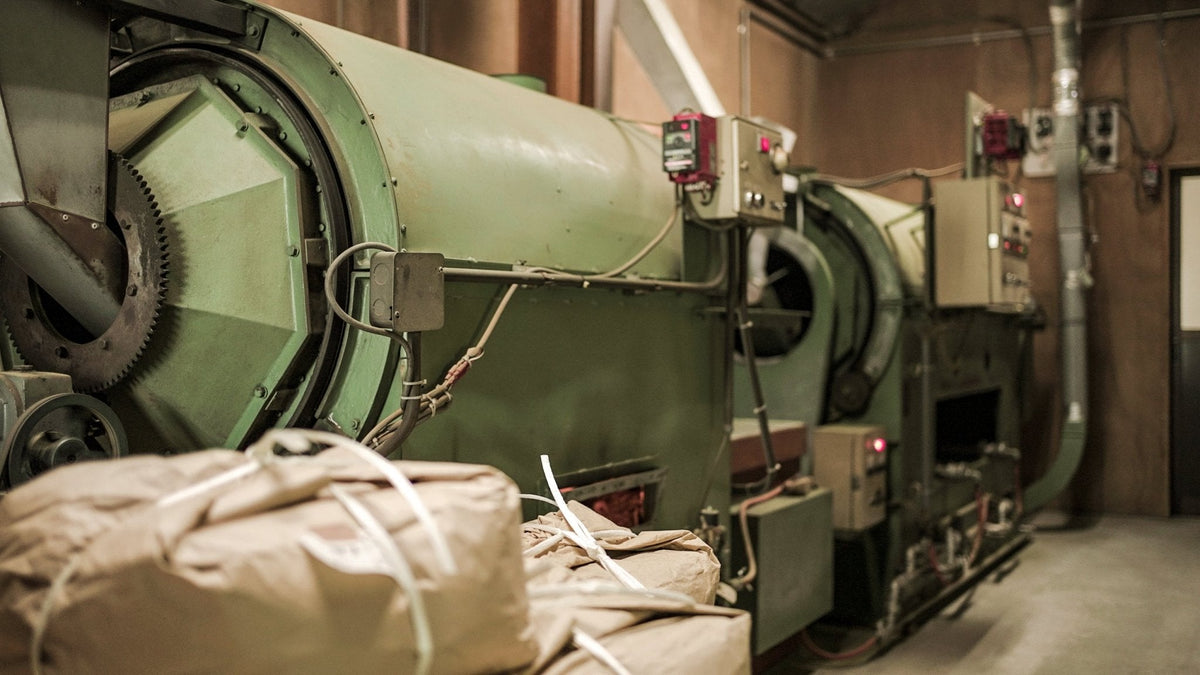
At the very end of making Kirishima tea comes the finishing step that decides its aroma. Roasting — for us, it feels like a final dialogue with the tea. Rather than searing the leaves over strong heat, we apply a gentle 80–130°C slowly, watching the condition of the leaf. In this article, we look at how that toasty fragrance is born, and what roasting looks like at our farm.
Why Fire the Tea at the End
Aracha — tea that has finished the drying stage — still holds about 5% moisture. Roasting brings this down to 2%. A difference of only 3%, yet those three points largely determine the fragrance and the lingering finish. Removing the excess moisture not only improves keeping quality; the heat also draws out sweet aromas that had been sleeping inside the leaf.
The Science of Toastiness: The Maillard Reaction
That irresistible fragrance of roasted tea comes from what is generally known as the Maillard reaction. Amino acids and sugars in the leaf bond under heat, creating toasty aroma compounds — the same chemistry behind the crust of bread or grilled rice cakes. Too hot, and it turns to burnt notes; too cool, and the aroma never rises. Roasting is the work of holding that reaction at exactly the right point.
Two Drum Roasters, and the Judgment of the Senses
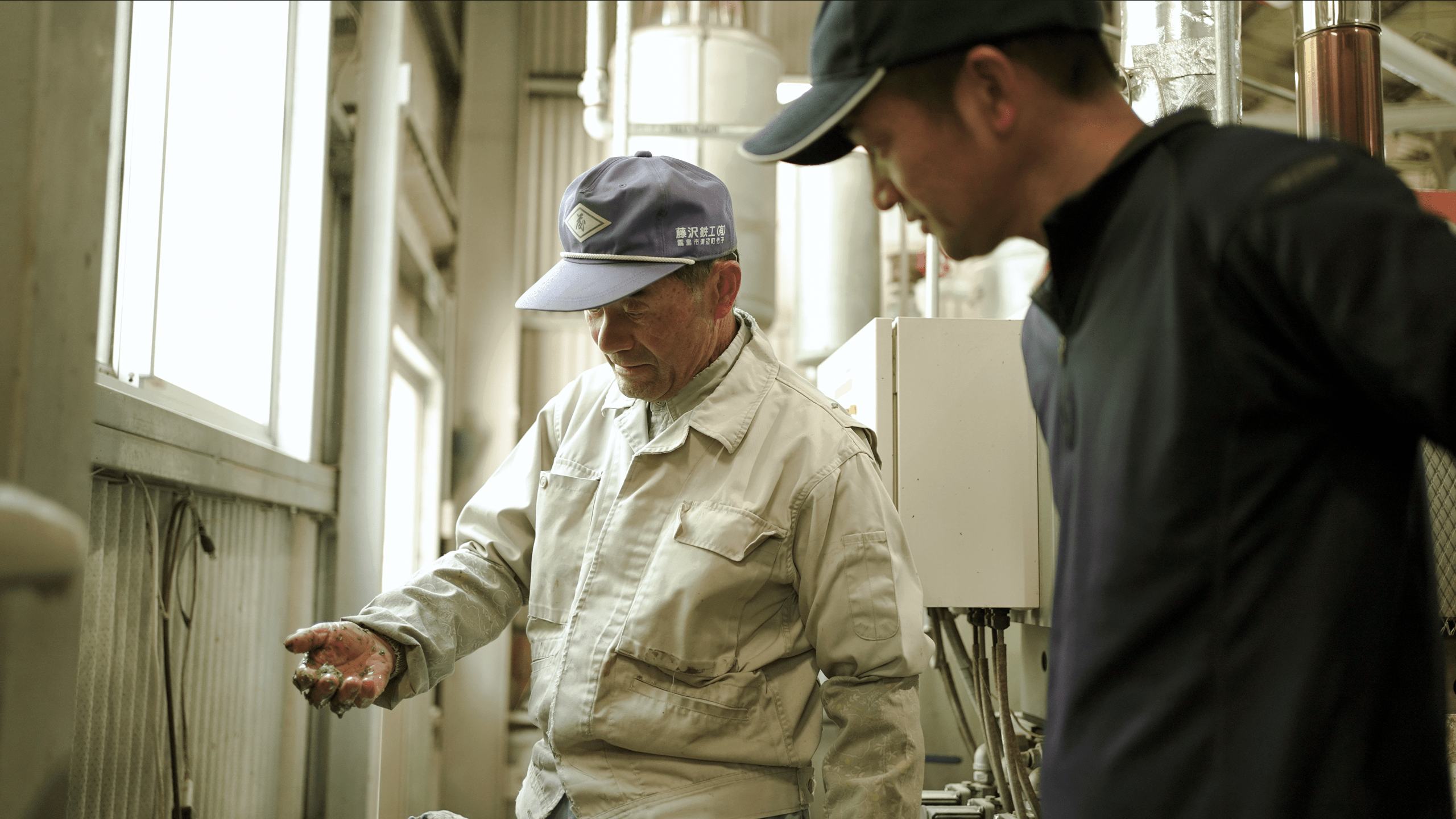
At Imamura Tea Plantation, we finish our teas with two drum roasters. We do not rely on the thermometer alone. Following the changing aroma rising from the roaster, we watch for the moment just before scorching, when the sweet notes begin to emerge. And on rainy or humid days, we do not roast at all — moisture in the air affects the finish. The state of the leaf, the touch of the machine, the day's weather: only when every condition falls into harmony does a sweetly fragrant tea emerge.
If You Want to Taste the Roast
The most direct way to enjoy the fragrance of roasting is hojicha, tea roasted to a deep toastiness. Relatively low in caffeine, it suits the evening and the after-meal hour. Even in sencha, the faint warmth of fire you sense in the cup is the work of the roast. Taste them side by side, and the difference in finishing will speak for itself.
The full process, roasting included, is introduced on The Making of Tea. Teas with different finishes, from hojicha to sencha, can be found in our Kirishima tea lineup.
Frequently Asked Questions
Q. Are hojicha and the roasting step the same thing?
A. Roasting (hi-ire) is the finishing and drying step applied to all our teas, including sencha. Hojicha is tea taken further, roasted more strongly so that toastiness leads the flavor.
Q. Why do you avoid roasting on rainy days?
A. In high humidity the leaves readily pick up moisture from the air, and the aroma and finish never come out as intended. We wait for a day when the conditions align.
Share:
A Few Dozen Seconds That Decide the Taste: Fukamushi vs. Asamushi Steaming, Explained by a Kirishima Tea Farm
Gougumi: The Blender's Craft That Shapes the Taste of Kirishima Tea