

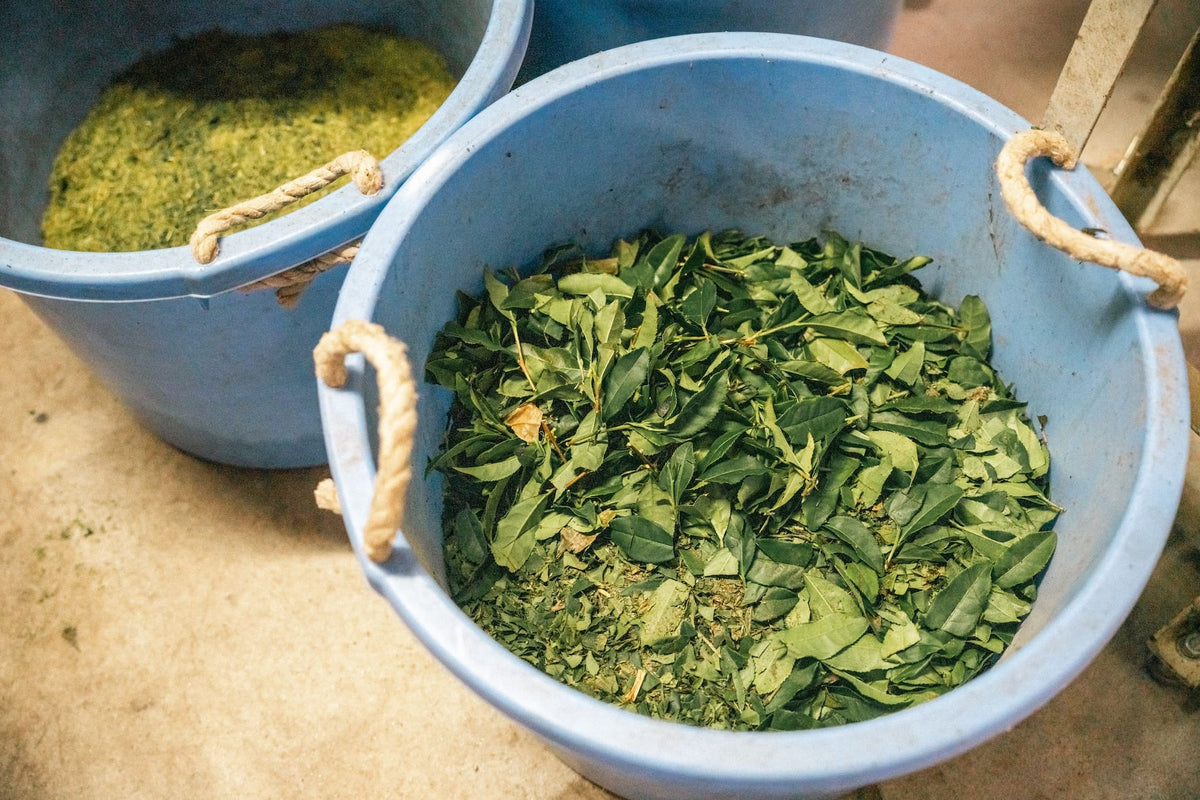
In making Kirishima tea, the sifting and optical color-sorting stages inevitably set aside leaves that will never become product. We do not throw them away. We gather them and return them, once more, to the fields. “For tea, the finest fertilizer is tea itself” — guided by this idea, we continue a circular way of growing tea, which we would like to share with you here.
Where the Sorted-Out Leaves Go
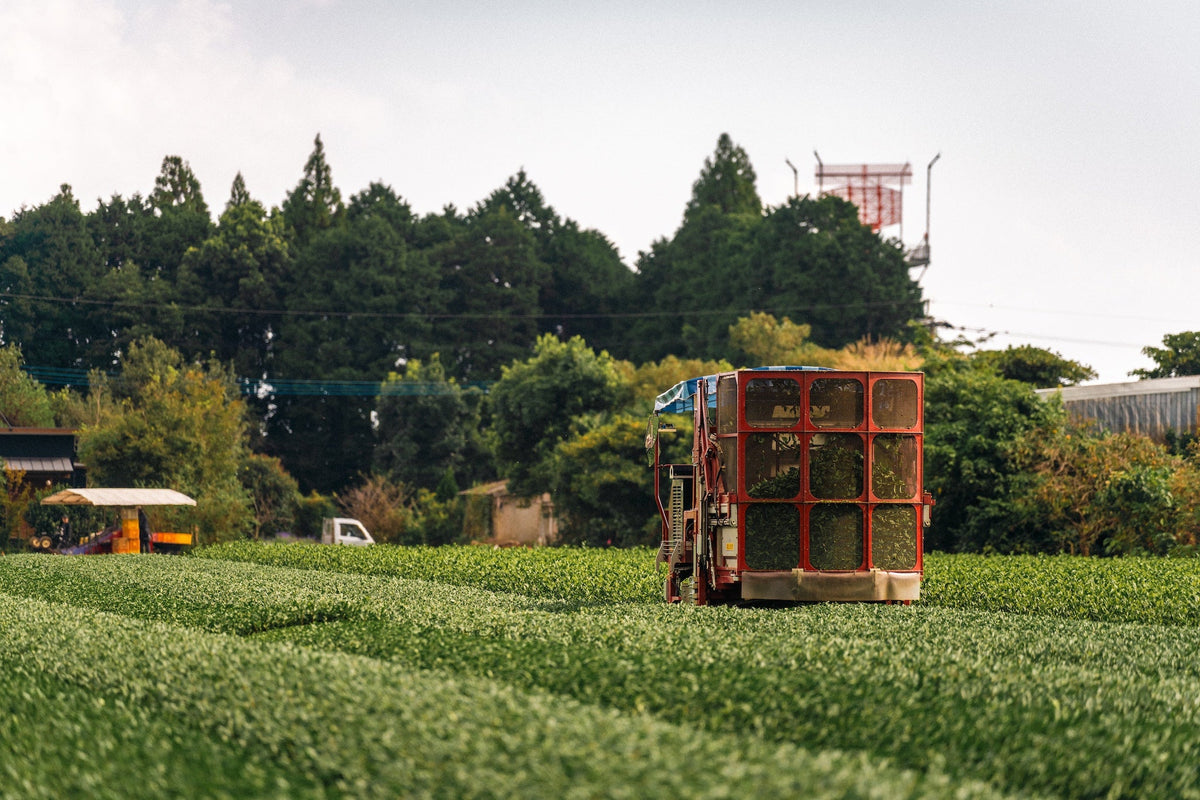
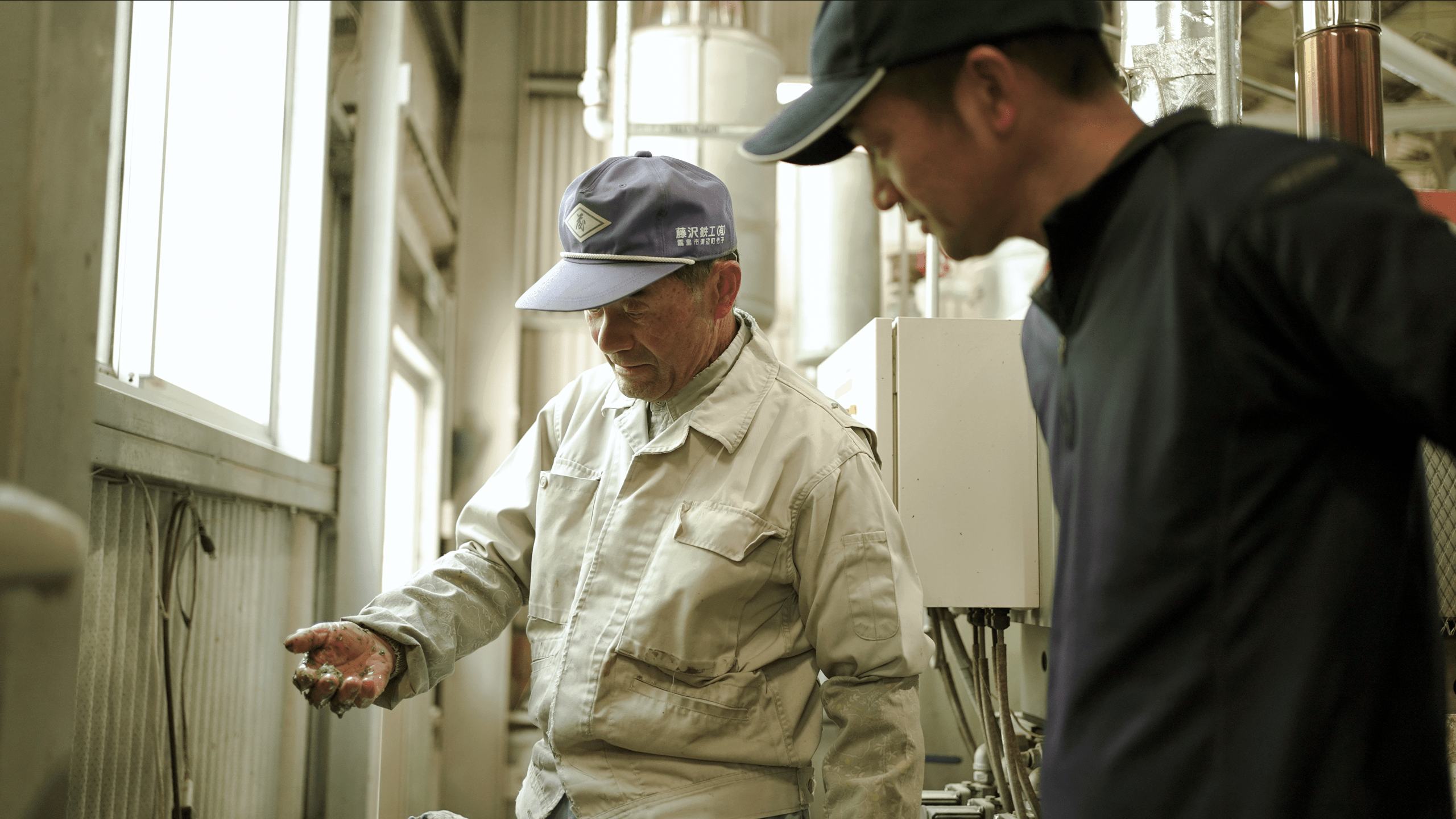
In the finishing stages, leaves are sifted by size and shape, and camera-based color sorters remove stems and discolored leaves. It is an essential step for protecting quality — but it leaves behind leaves that will not become product. These are collected, carried by truck back to the fields, and spread at the base of the tea trees. Between factory and field, the leaves travel in a quiet circle.
What a Blanket of Leaves Does: Suppressing Weeds, Protecting Soil
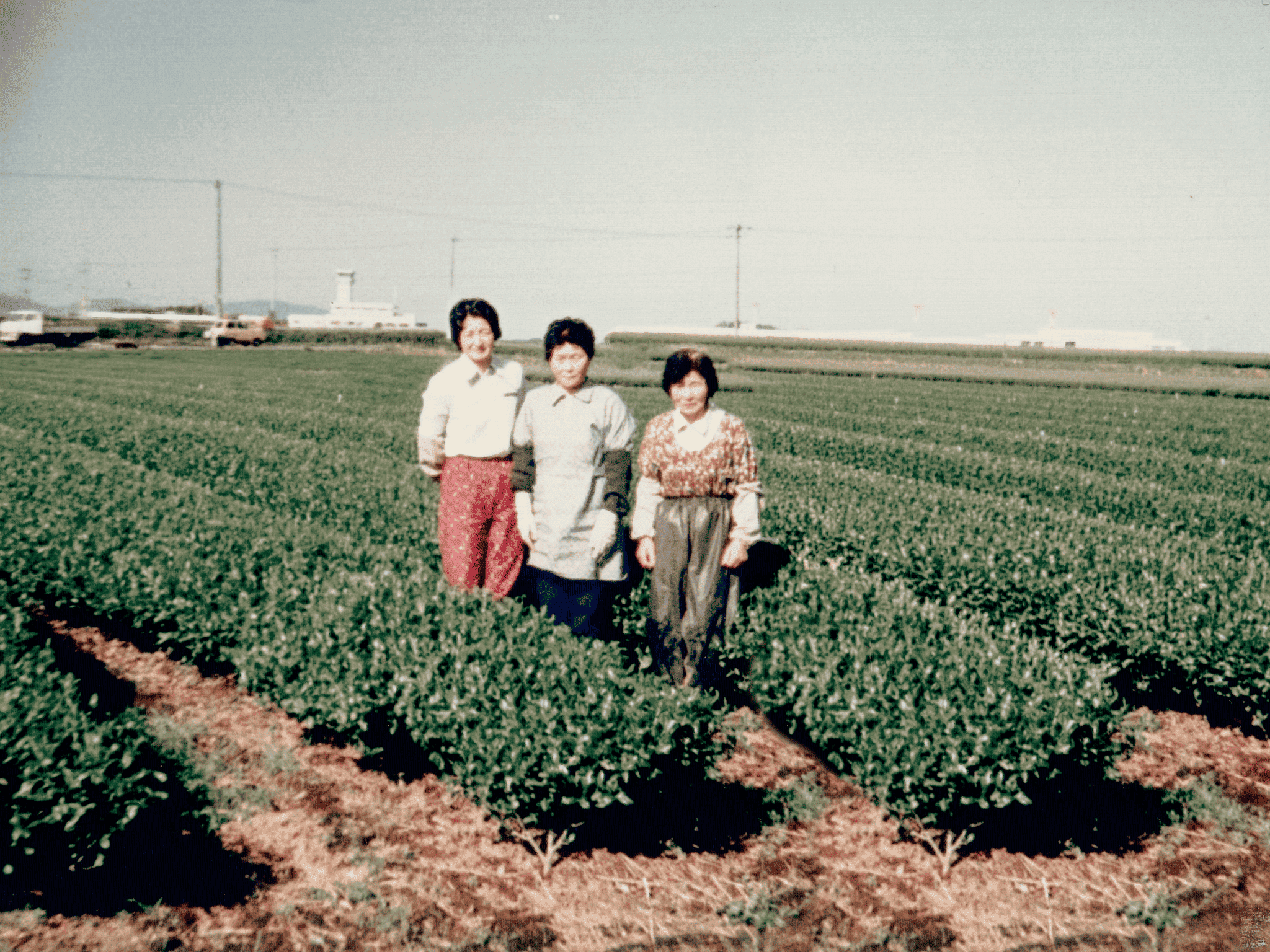
Returned to the field, the leaves first work as a mulch covering the ground. They block sunlight to suppress germinating weeds, keep the soil from drying out, and protect the topsoil from washing away in rain and from sharp swings in temperature. For an organic field that does not rely on herbicides, living with weeds is a year-round labor — and the blanket of tea leaves quietly shoulders part of it.
In Time, It Becomes Soil, and Then Fertilizer
Slowly, microorganisms break the spread leaves down, returning their nutrients to the earth. What the tea leaf once stored becomes nourishment for the leaves to come. Weed suppression and fertilization — one leaf plays two roles, and nothing is wasted. As the saying goes, the finest fertilizer for tea is tea itself: what was born of the tea returns, again, to the tea.
The Framework Behind the Cycle: Organic JAS and ASIAGAP
This way of tending the fields is verified not only by conviction but by certification. Our fields and processing facility hold Organic JAS certification, under which third-party auditors confirm that we do not rely on synthetic pesticides or chemical fertilizers. We are also certified under ASIAGAP, which audits farm management across food safety, environmental stewardship, and worker safety. These are the foundations on which we intend to keep this circular tea-growing going.
The full journey from soil to finished tea is introduced on The Making of Tea, and our history on the Imamura Tea Plantation story. The teas born of these fields are in our Kirishima tea lineup.
Frequently Asked Questions
Q. Are the returned leaves alone enough to fertilize the fields?
A. Not on their own. We combine them with compost we build from rice straw, fallen leaves, and rice husks, letting fermentation nurture the soil.
Q. Why return the leaves instead of discarding them?
A. Because a tea leaf holds, intact, the very nutrients that grow tea. Keeping them within the field's own cycle seems to us the most natural course — for the soil and for the environment alike.
Share:
Gougumi: The Blender's Craft That Shapes the Taste of Kirishima Tea
Shincha, Nibancha, Autumn Bancha: How Kirishima Tea Changes with the Seasons