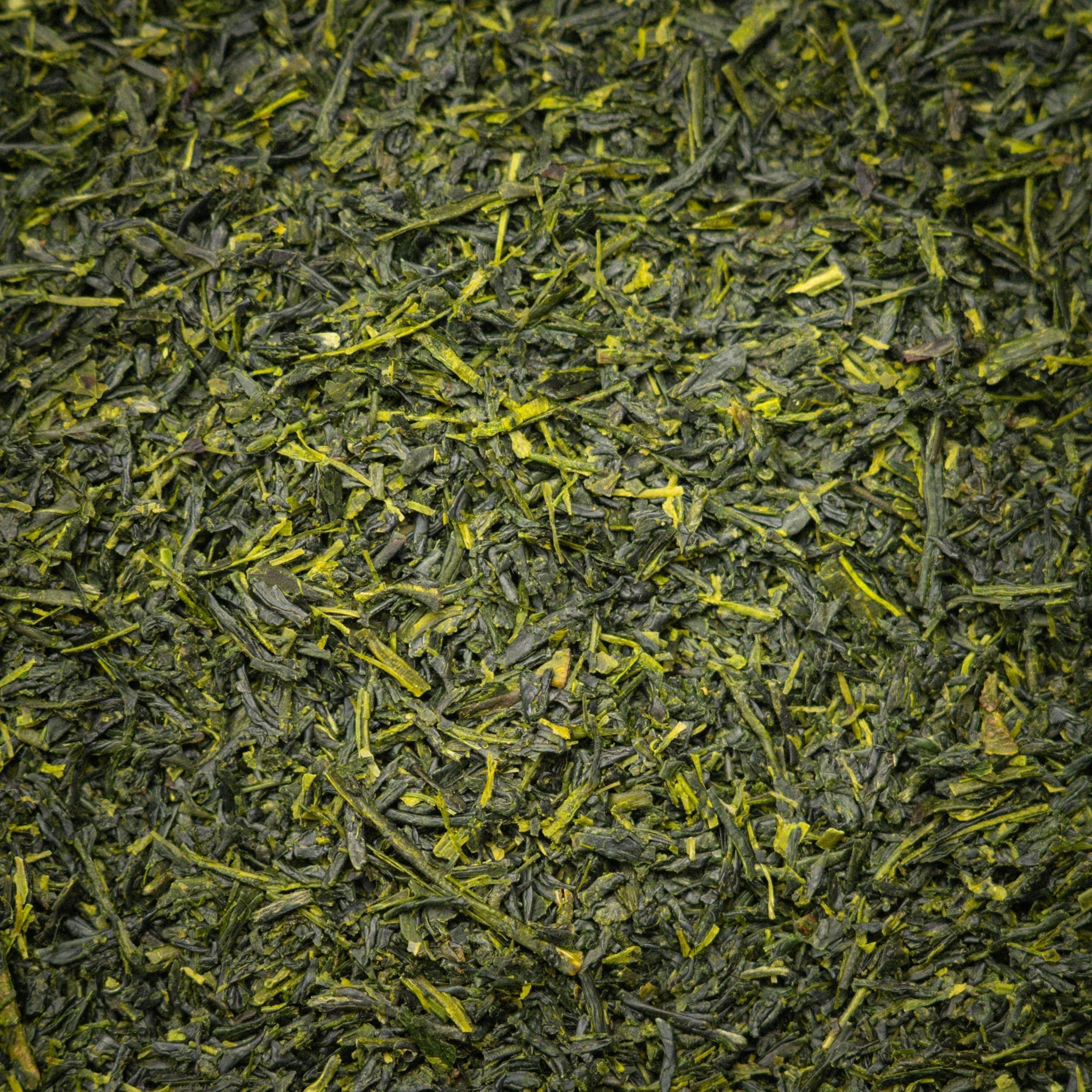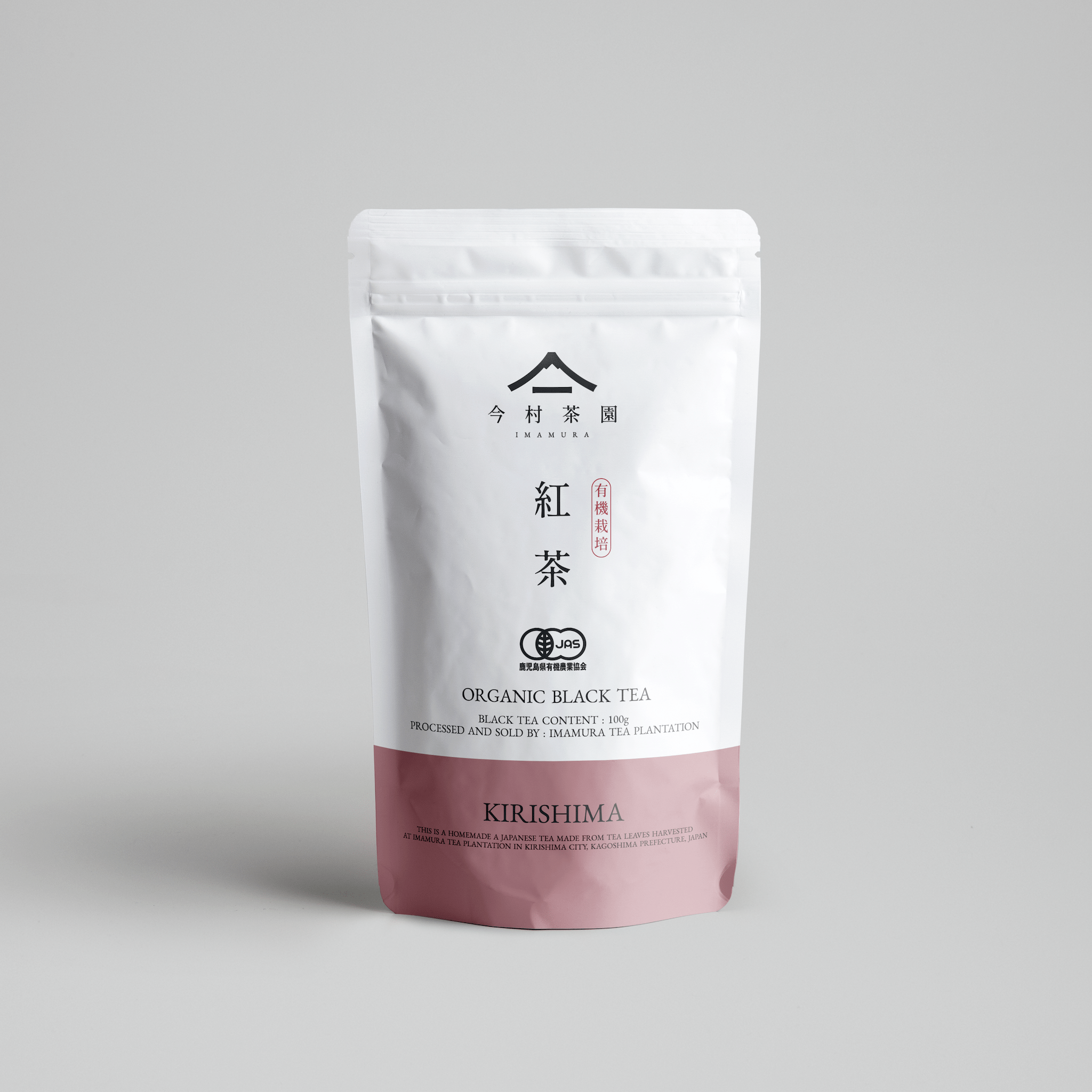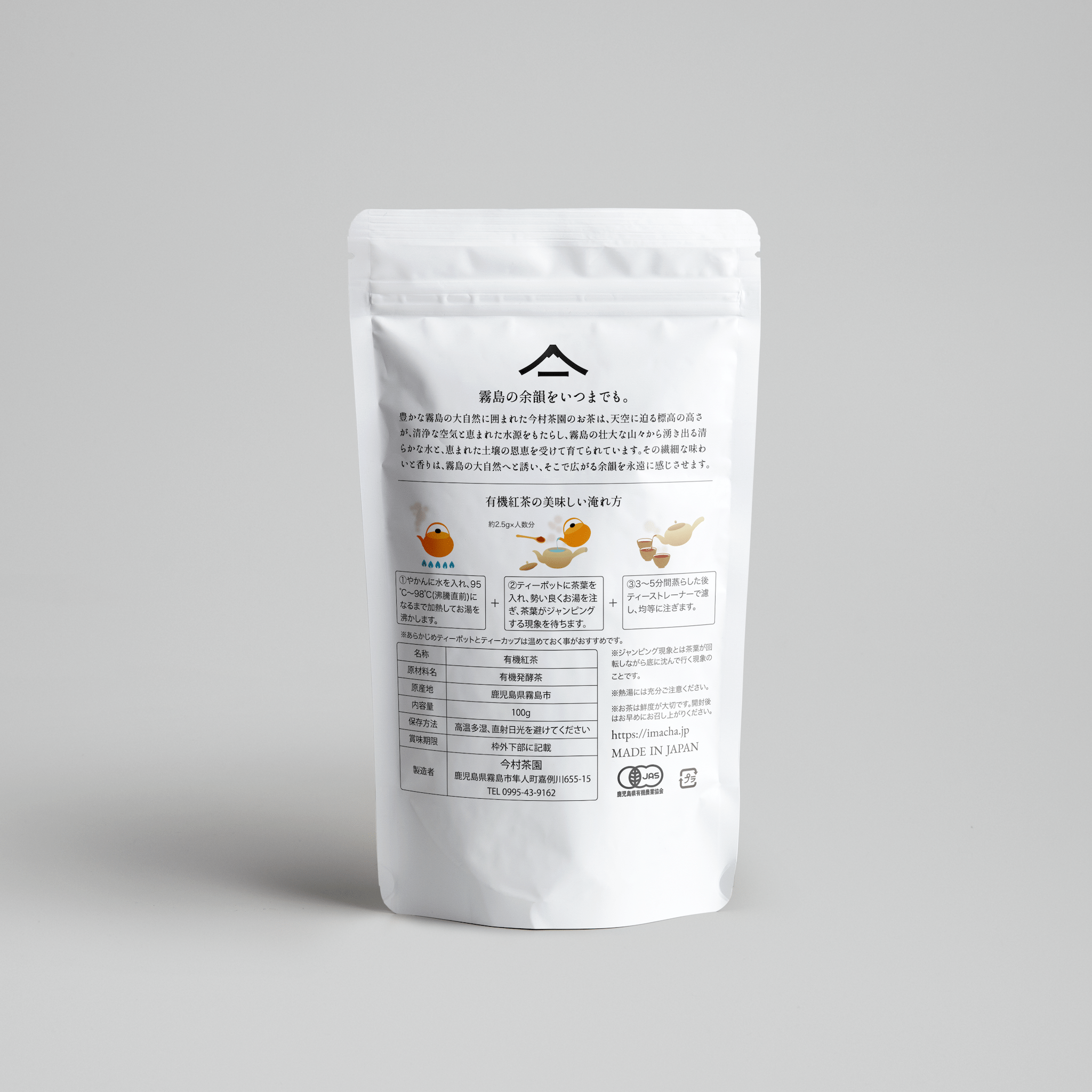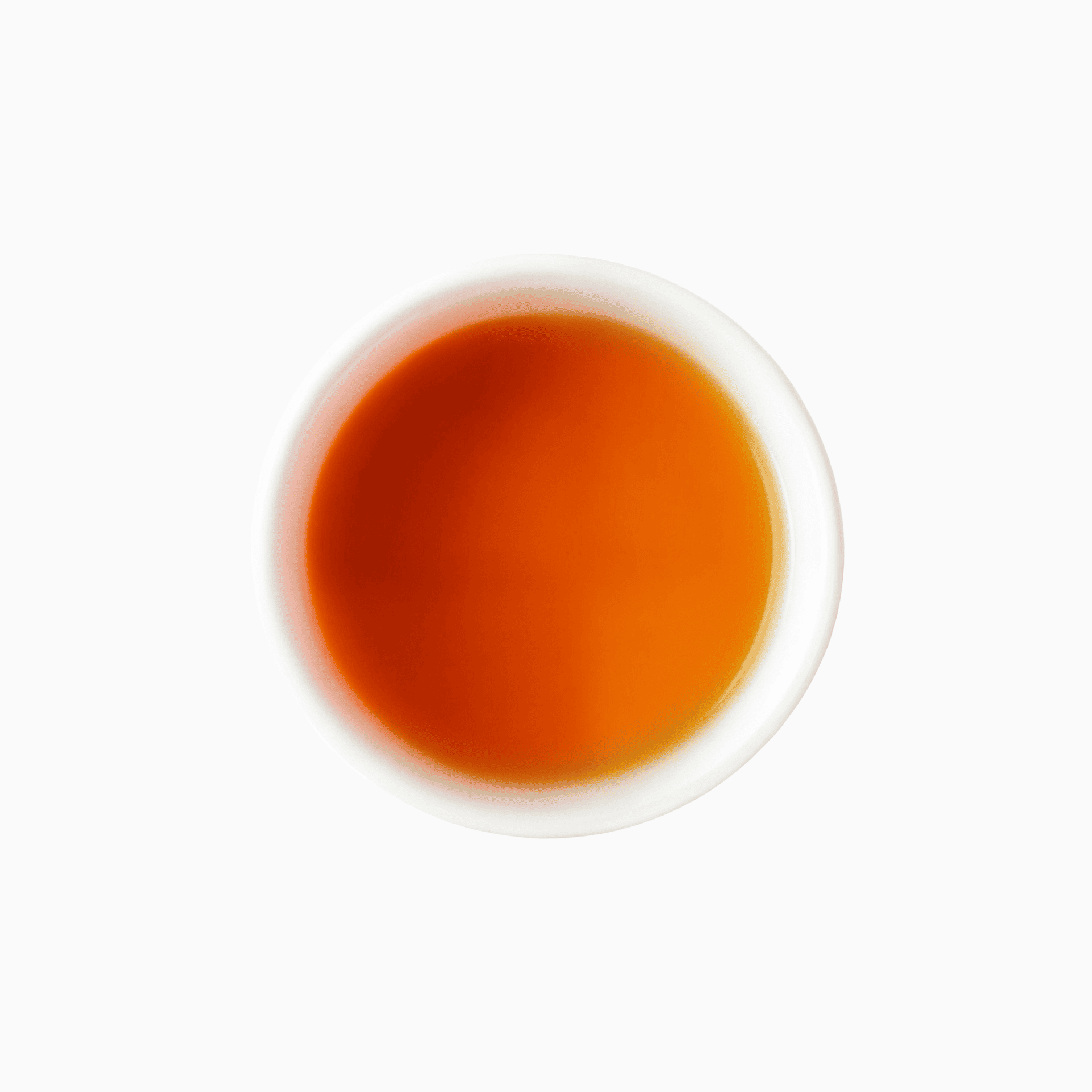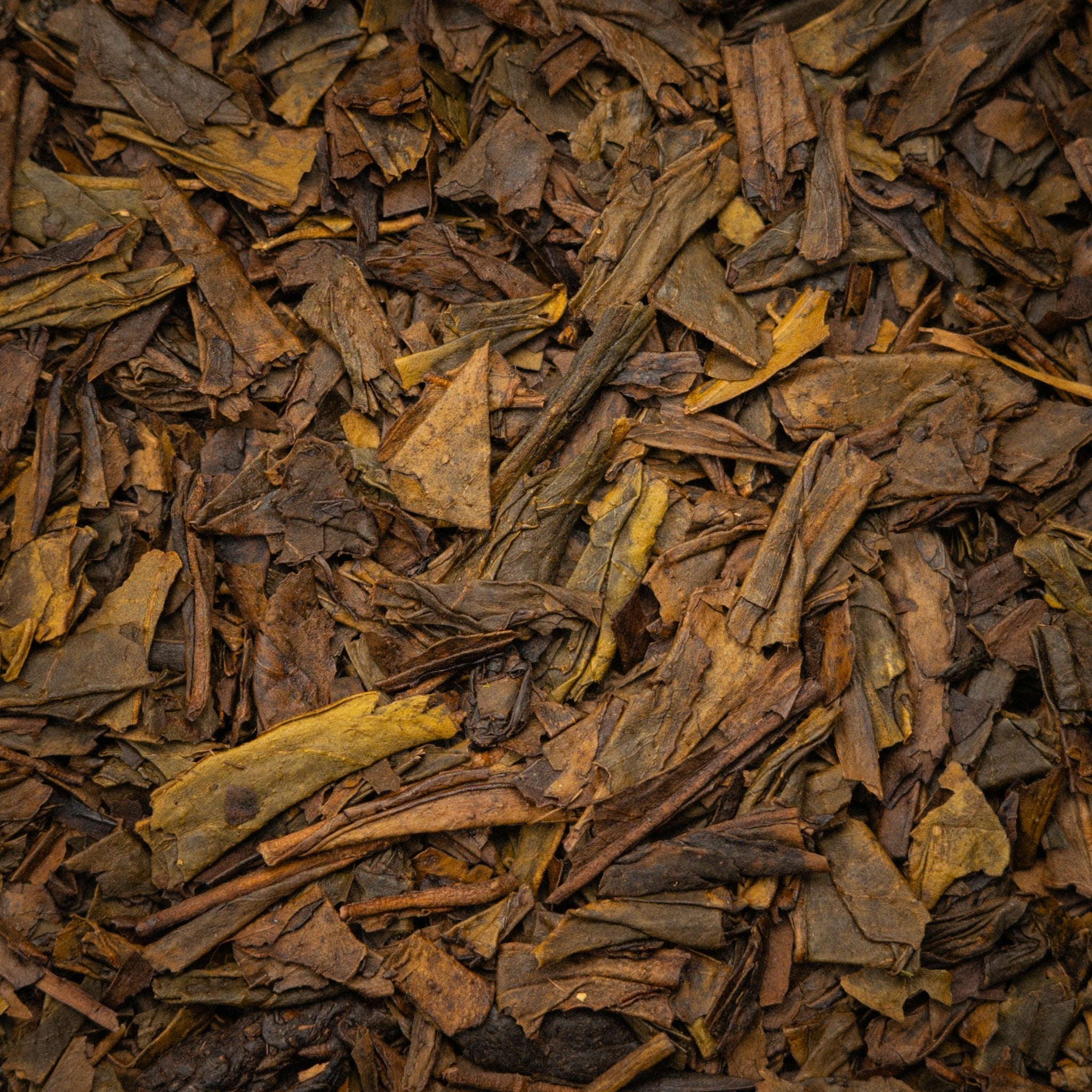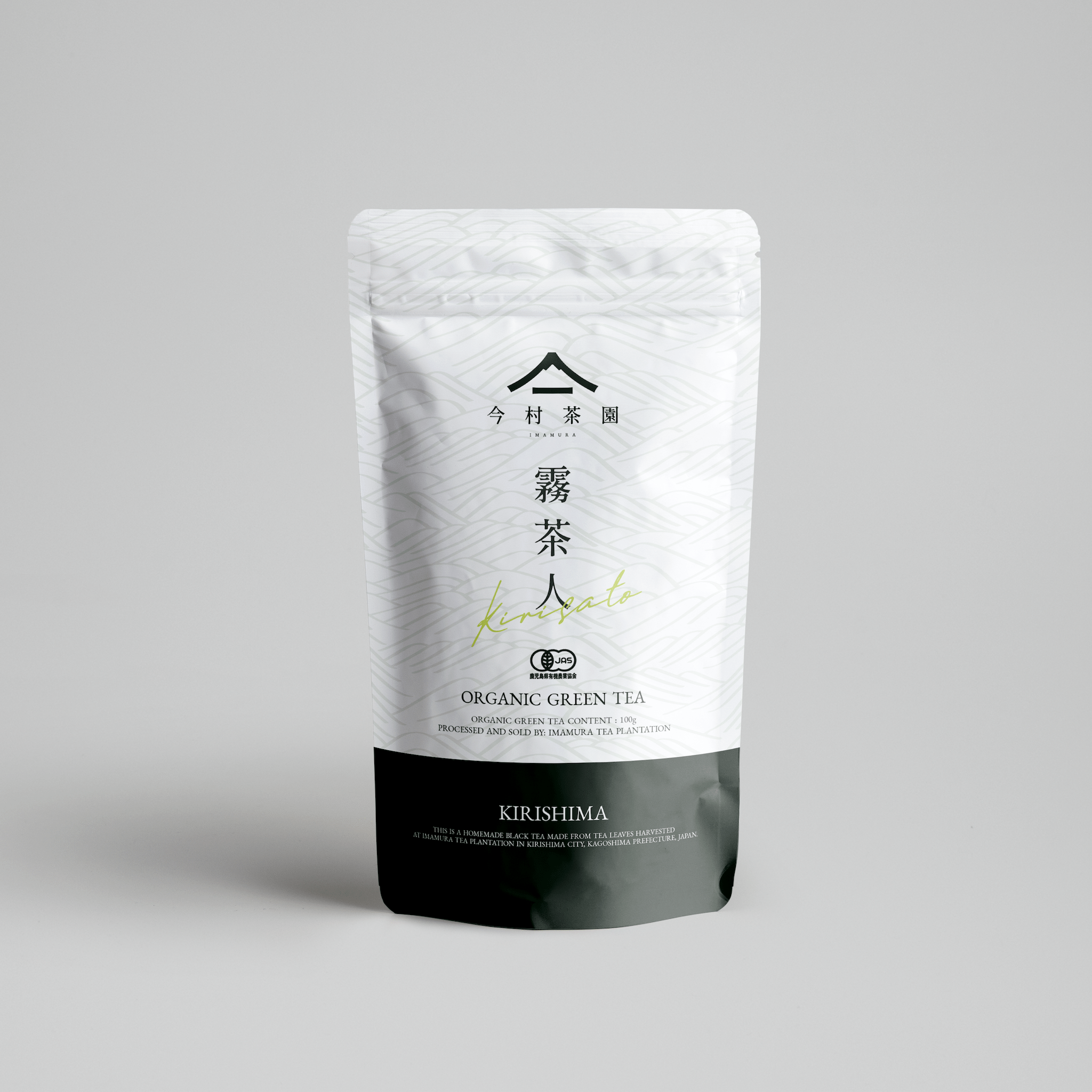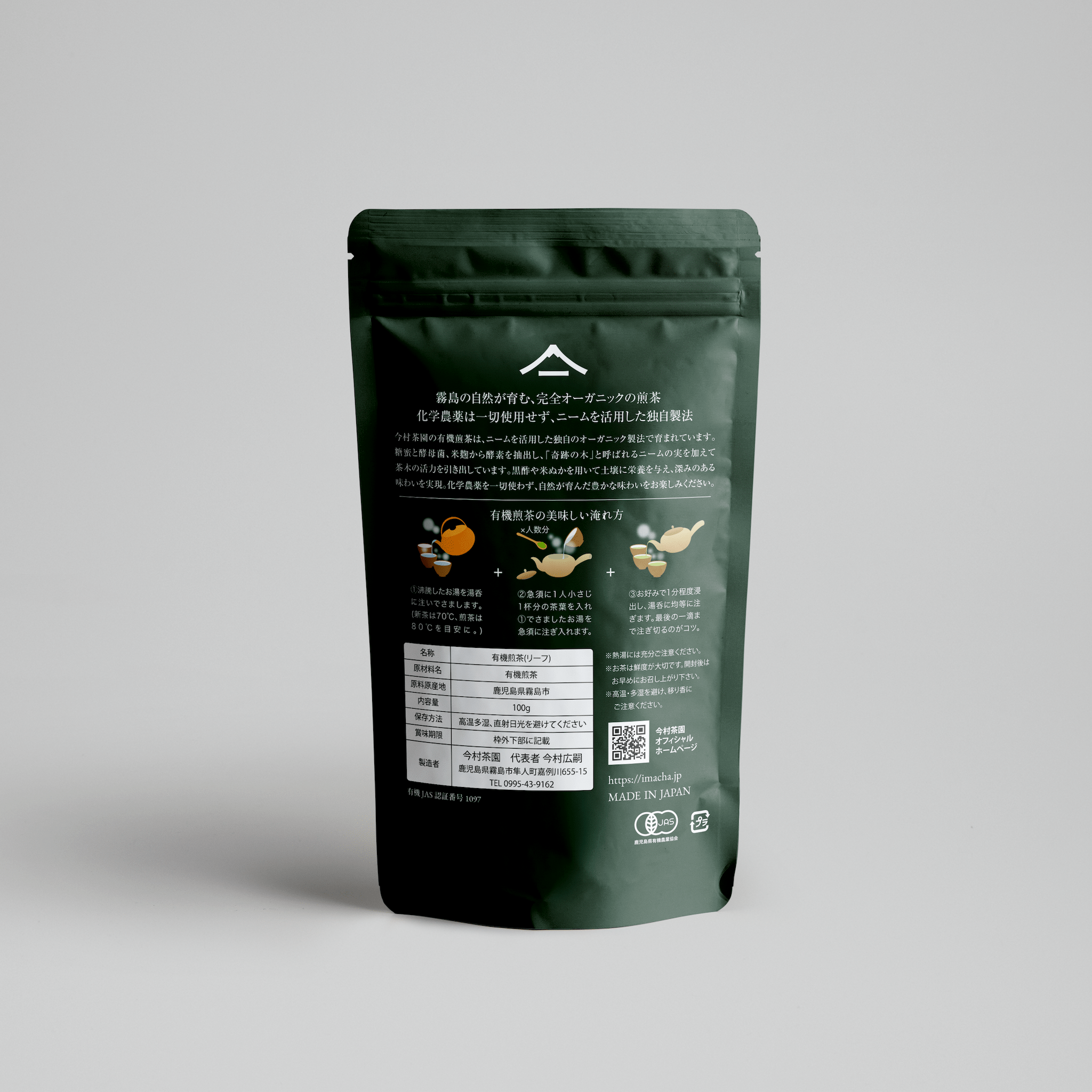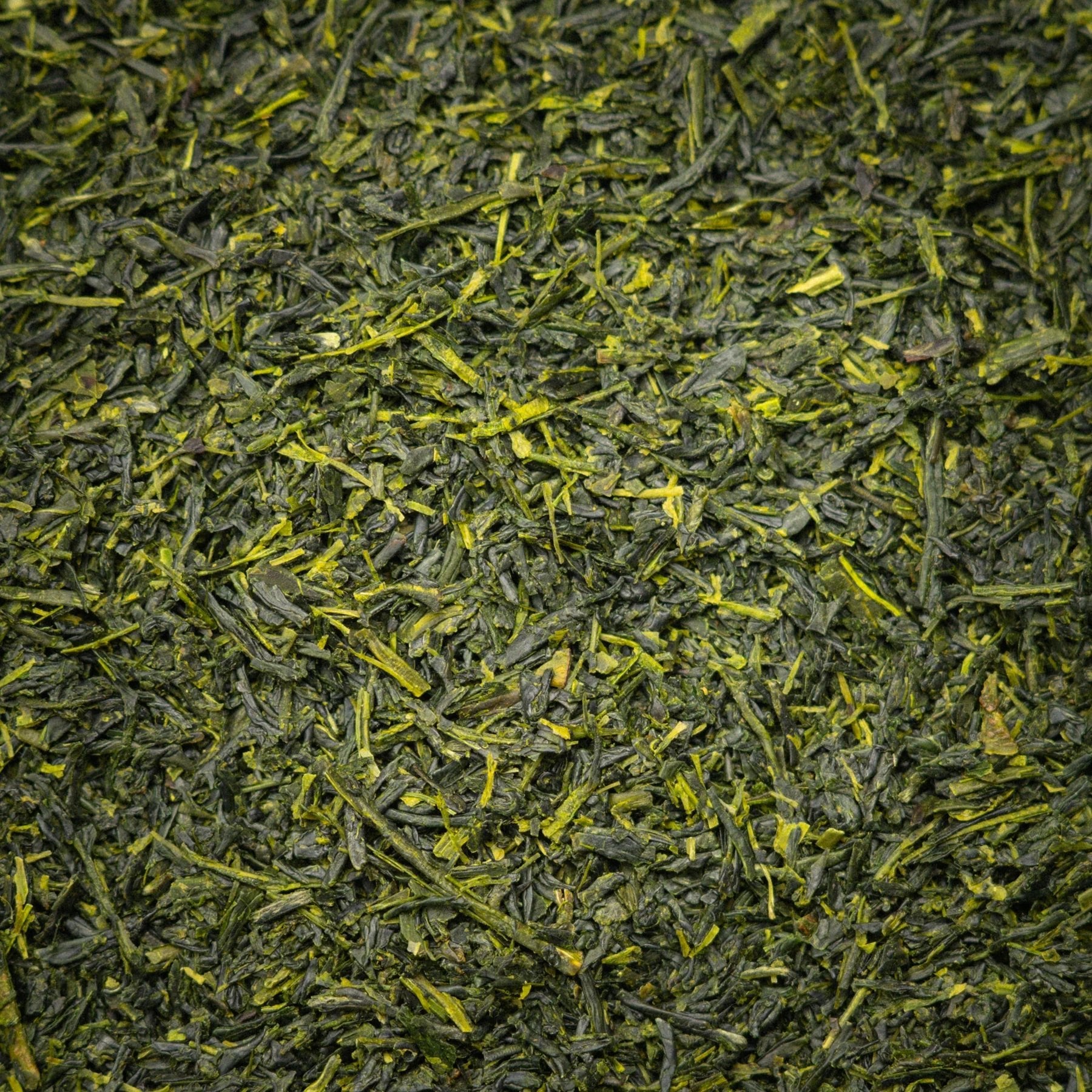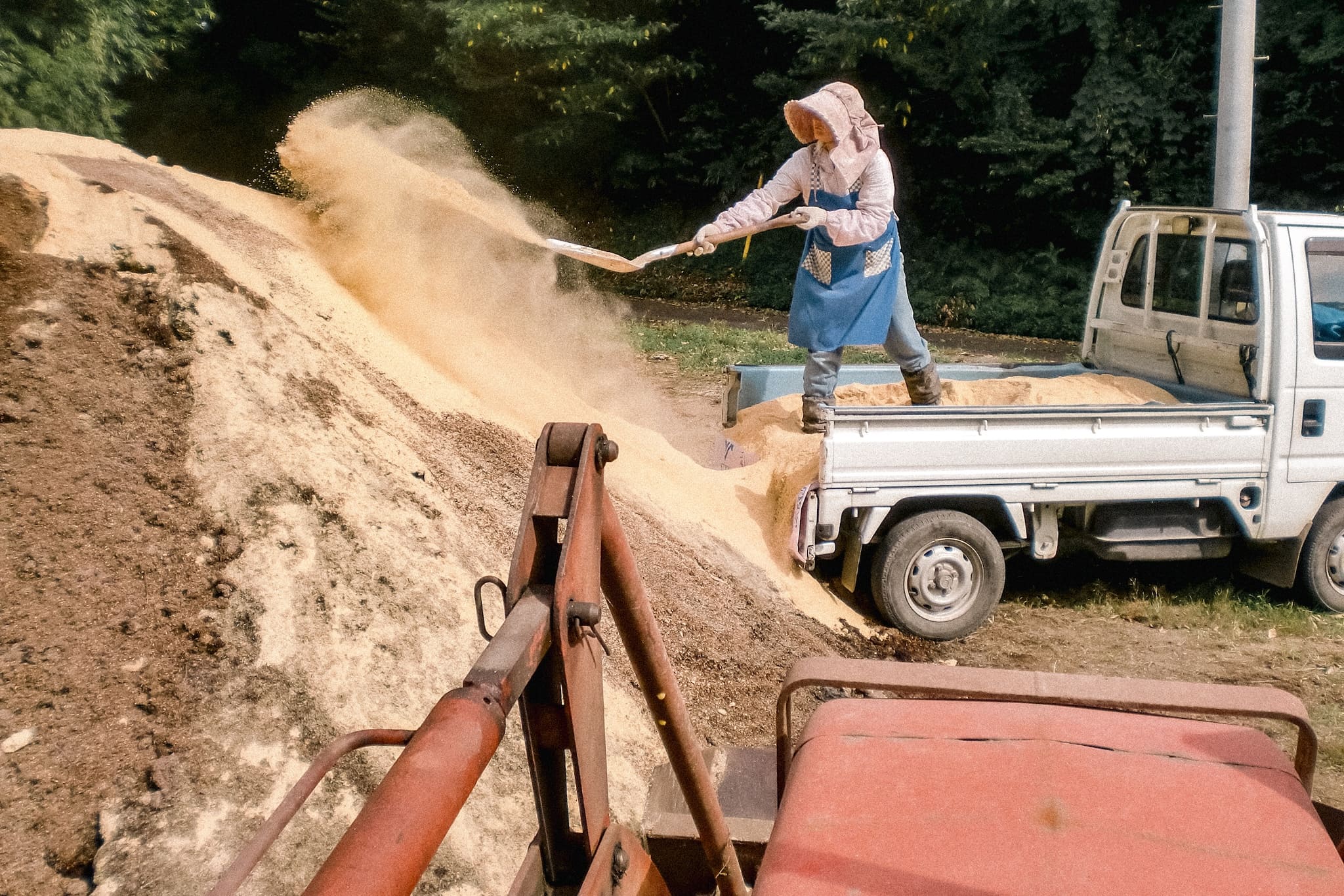
Making compost for soil preparation, essential for tea cultivation, at Imamura Tea Plantation in Kirishima, Kagoshima, Japan

SOIL PREPARATION

Soil Building

Tea making begins with the soil. We gather organic matter such as rice straw, fallen leaves, and rice husks, and use the power of microorganisms to ferment and break it down into a soil conditioner. From this we prepare compost, maturing it slowly over time. In our compost yard, some piles have been built up over more than 20 years. The soil is made anew each year, renewed each year. From here, the foundation that supports the tea trees is laid.

熟成中の堆肥のクローズアップ / Close-up of maturing compost for the tea fields - 今村茶園

Inside the compost, decomposition by microorganisms never stops. At the peak of fermentation, thermophilic microbes go to work and the temperature can exceed 60°C. This heat suppresses weed seeds and pathogens while advancing the breakdown of organic matter. Turning the pile to let air in reactivates the fermentation. Once past the high-temperature phase, the heat gradually subsides and the compost moves into maturation. Imamura Tea Plantation's own compost, built up over long years, brings the soil back to life every year.
茶の苗を手で植える定植作業 / Planting tea seedlings by hand at Imamura Tea Plantation in Kirishima, Kagoshima, Japan - 今村茶園

Transplanting

Planting

A tea tree begins with a sapling, planted in the field one by one. We set the spacing and the direction of the rows, creating an environment where the roots can take firm hold. After planting, we manage moisture, weed, and prune, shaping the trees as they grow. It takes several years before a single sapling can put out buds reliably. Tea trees raised over time like this become the foundation that supports every harvest to come.

定植から約2年の若い茶樹と籾殻マルチの畝 / Two-year-old tea bushes mulched with rice husks in Kirishima - 今村茶園
若木の株元を守る籾殻マルチ / Rice-husk mulch protecting the base of young tea plants - 今村茶園

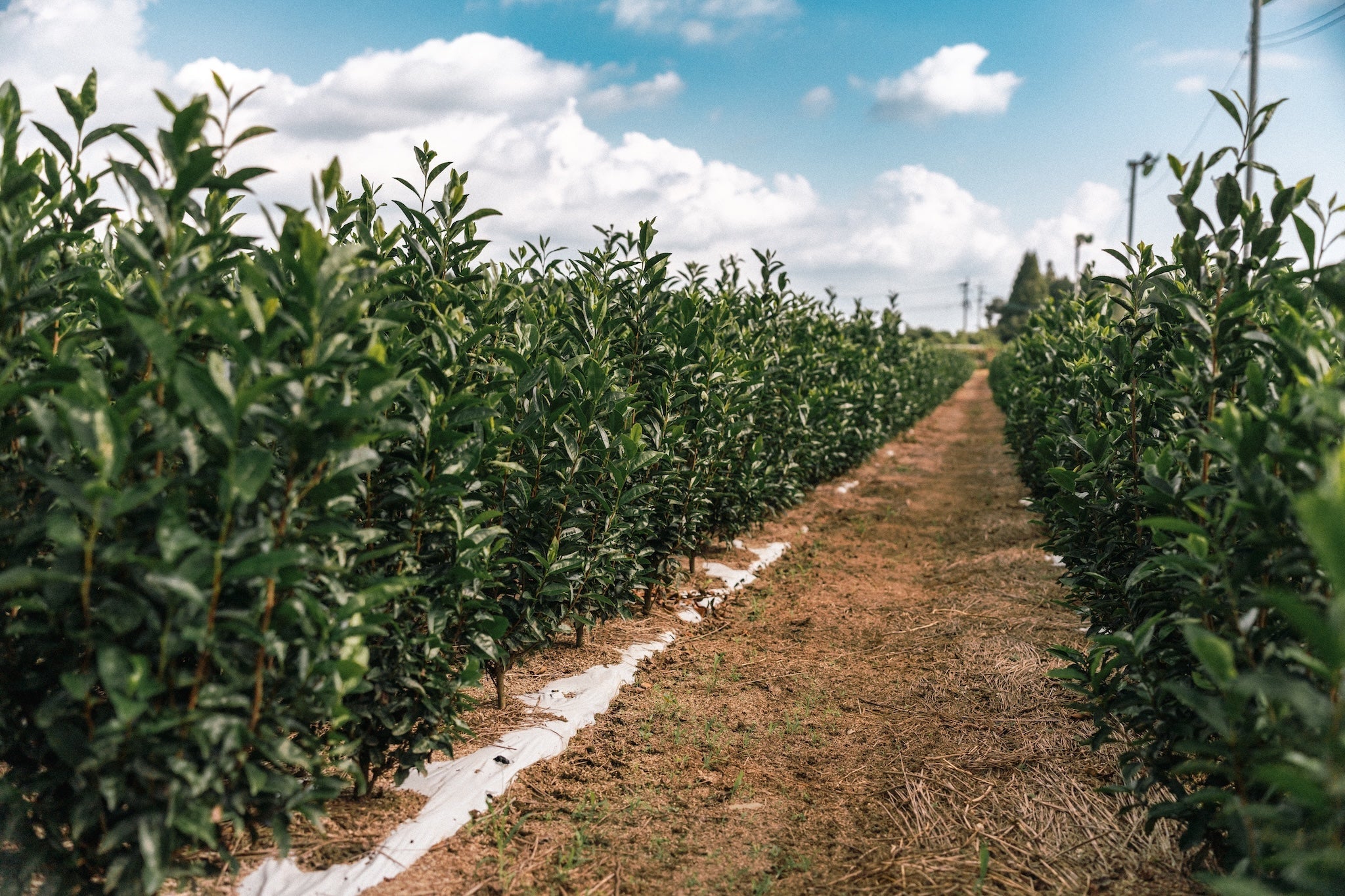
This is how the tea trees look about two years after planting, grown to a height of 60–70 cm. Spread around the base of the plants are rice husks. The husks cover the surface of the soil and block light, suppressing the germination of weeds. At the same time, they keep the soil from drying out, prevent topsoil from washing away in the rain, and soften both the rise in ground temperature in summer and the chill of winter. While the young trees slowly extend their still-shallow roots, that time is protected from the ground up.

ニーム発酵による完全有機栽培茶(KIRISATO)の栽培風景 / Cultivating fully organic, neem-fermented tea (KIRISATO) at Imamura Tea Plantation, Kirishima, Kagoshima

ORGANIC PRACTICE

Organic Cultivation

For us, organic cultivation does not simply mean avoiding synthetic pesticides. It means designing the entire field around fermentation itself.

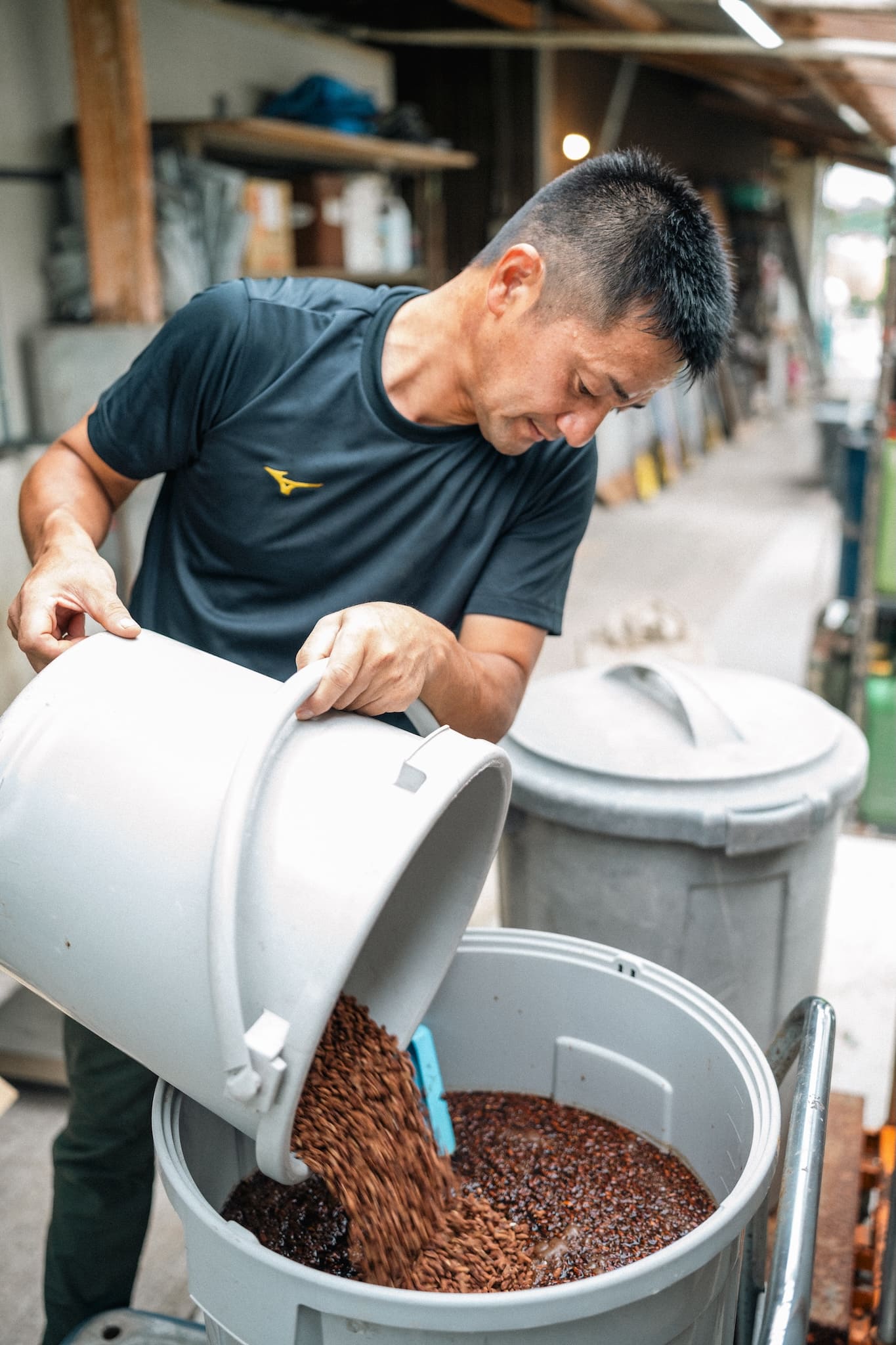
We start alcohol from molasses and yeast, and extract enzymes with rice koji. To this we add neem berries, fermenting and maturing the mixture over time. We then combine rice bran and koji mold, creating an environment where microorganisms can thrive.

The field is treated not as something to be managed, but as a living environment. Not suppressing, but balancing. It is cultivation that makes time an ally.

自家製の有機発酵肥料を樽に仕込む生産者|霧島の有機煎茶づくり / Farmer preparing fermented organic fertilizer in a barrel at our Kirishima tea farm - 今村茶園
手づくりニーム防除液づくりに使う地元霧島の米麹 / Local rice koji used to ferment our handmade neem spray - 今村茶園

The protective sprays we use on our fields are all handmade, from scratch.

The berries of the Indian lilac (neem) contain a compound called azadirachtin, long used to repel insects. We combine them with local Kirishima rice koji and molasses and let the mixture ferment. As the koji mold and yeast work, the components mature into a liquid that settles naturally into the field.

Not to exterminate insects, but to create an environment they are less drawn to. Because it goes on our own fields, we use only what we fully understand, ingredient by ingredient. Even before the leaves begin to bud, we are preparing the field itself.

冬の茶園管理 ― 雪化粧の霧島連山、施肥と防霜ファン / Winter tea field management at Imamura Tea Plantation — fertilizing and frost protection fans in Kirishima, Kagoshima, Japan - 今村茶園

MANAGEMENT

Surviving the Winter

Winter is not a season of rest. It is time to prepare for spring.

We continue managing fertility to strengthen the roots, balancing the soil's nutrients in readiness for the spring budding. And for tea making, winter's greatest enemy is frost. If the new buds freeze, that year's first flush is lost. That is why, on frosty nights, our defenses for the field go into motion.

The buds sleep quietly through the winter, waiting for spring.

冬の朝、氷をまとった茶葉。凍霜から新芽を守る畑の管理 / Tea leaves coated in ice on a winter morning in Kirishima - 今村茶園
防霜ファンが立つ霧島の茶畑で乗用型管理機による冬の管理作業 / Riding machine tending Kirishima tea fields lined with frost-protection fans - 今村茶園

On nights when frost threatens, we keep spraying the tea trees with water from sprinklers. As the water freezes, it releases the latent heat of solidification, keeping the buds at around 0°C. The critical temperature at which new buds die is roughly −2°C, but as long as water keeps being sprayed and freezing, the buds inside their thin film of ice stay at 0°C and survive, even if the air drops lower. This method is called sprinkler frost protection. One caution: stopping the water partway actually worsens the damage, so spraying must continue without interruption for as long as the frost lasts.

We also use frost-protection fans, which send the comparatively warmer air above down to the ground, preventing cold air from pooling — protecting the buds by a different principle than water spraying.

The same latent-heat principle is used in wine-grape growing. In Chablis, France, and elsewhere, water is sprayed onto the vines on nights of spring frost, forming a film of ice around the buds to hold them at 0°C — a method known as aspersion.

被覆栽培と茶の収穫作業 / Harvesting tea and shade-grown cultivation at Imamura Tea Plantation in Kirishima, Kagoshima, Japan - 今村茶園

HARVEST

Harvest

When spring comes, the sleeping tea leaves bud all at once. Having weathered the cold, the buds grow while storing up umami, and in time the harvest arrives.

For a set period before harvest, we cover the tea fields to soften the direct sunlight. By limiting light, the leaves hold back the compounds that create astringency while building up umami and sweetness. Combined with Kirishima's climate, the texture and aroma of the leaves are refined all the more deeply.

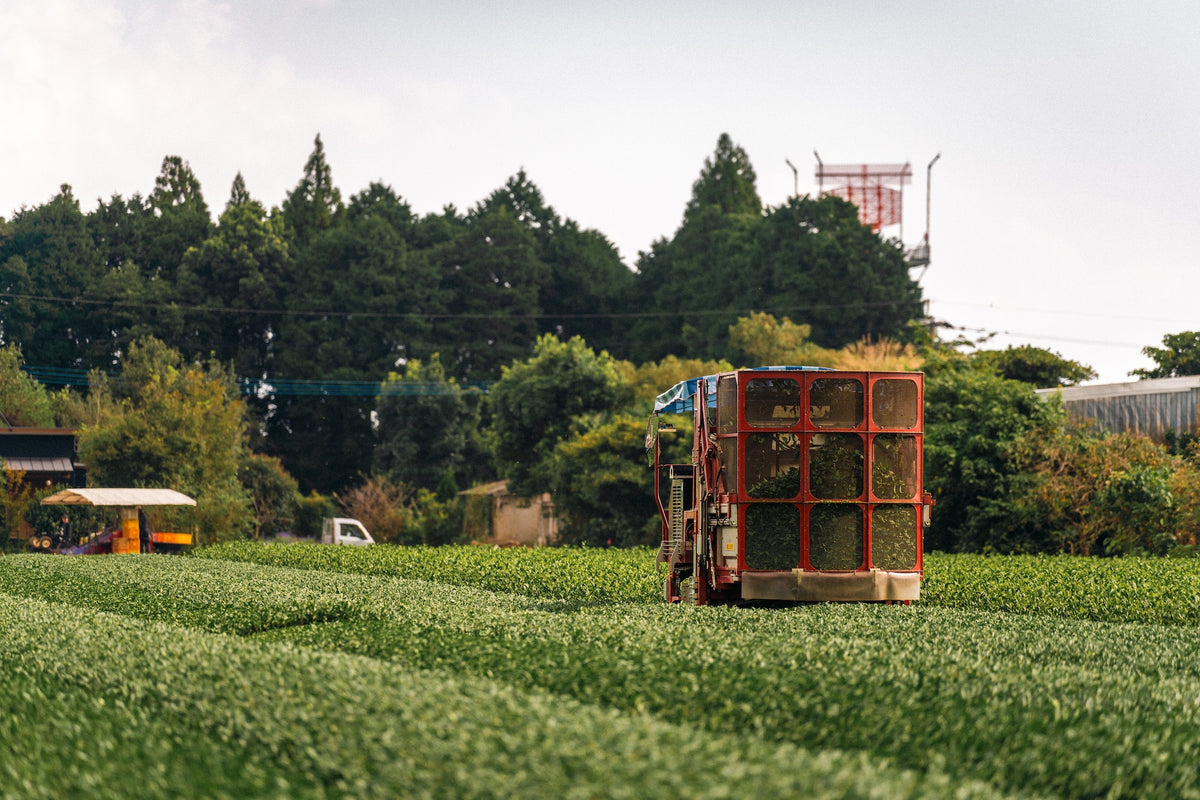
霧島の茶畑で作業する乗用型摘採機 / Riding tea harvester working in our Kirishima tea fields - 今村茶園
収穫前の茶畑に遮光ネットをかける被覆作業 / Covering tea rows with shading nets before harvest in Kirishima - 今村茶園

For harvesting, we use a selective plucking machine, reading the condition of the leaves as we cut. We check how far the new buds have grown and opened and how firm the leaves are, determine the right cutting height, and only then begin.

By aligning the position and height of the buds and adjusting the cutting depth as we go, we keep stems and old leaves out and pick the leaves without damaging them. If the timing and height of plucking are uneven, inconsistencies appear in the later steps of steaming and rolling.

That is why we fine-tune the machine to the growth of the first and second flush alike, securing uniform raw leaves. This judgment determines the quality of the finished tea.

製茶工場で茶葉を加工する職人(ヒストリー映像2) / Processing tea leaves at Imamura Tea Plantation's tea factory in Kirishima, Kagoshima, Japan - 今村茶園

MANUFACTURING

Production

From the moment they are picked, the leaves have already begun to change. Tea processing is the craft of controlling that change. Steaming, rolling, drying — within these simple, repeated motions lies an accumulation of precise judgments for drawing out aroma, color, and umami.

The eye of an engineer versed in control technology reframed this process as a design of temperature and time. Before it becomes a single cup, the tea passes through many hands and machines, transforming as it goes.

2025 First Flush / Kirishima Green Tea / Kagoshima Tea - 今村茶園
製茶ラインで茶葉の状態を確かめる生産者 / Checking the leaves on the processing line at our Kirishima tea factory - 今村茶園

Once the harvest begins, tea production hardly stops for the rest of the season. The buds grow one after another without waiting, and the window when they are right for picking passes quickly. So as not to miss it, harvesting and production continue almost without pause — for about a month.

The quality of the leaves begins to change the moment they are picked. That is why they must move into production on the very day of harvest. For this month or so, harvest and production run as one, without stopping.

Aracha Production

Primary Tea Processing

From the moment of plucking, the race against time begins. Heat, pressure, and the flow of air work in precise sequence, transforming the fresh leaves into aracha — crude tea — while preserving their color, aroma, and form.

Swipe to follow the process ▶︎

摘採した生葉をトラックに積み込む収穫後の作業 / Post-harvest handling — loading freshly harvested tea leaves onto a truck - 今村茶園

Post-Harvest Handling

From Field to Factory

Oxidation begins the moment a new bud is plucked. Aroma and flavor start to change — slowly, yet immediately.

To preserve their quality, the leaves are carried to the factory without delay and moved straight into the next stage of production.

The field and the factory are not separate places. They are one unbroken process.

This swift handover supports every measure of quality that follows.

生葉管理 ― コンテナに広げた生葉をならす / Fresh leaf management — leveling freshly picked tea leaves - 今村茶園

Fresh Leaf Management

Fresh Leaf Management

After harvest, the freshly picked leaves are kept in dedicated containers with mesh bottoms. Air passing through from below maintains the right humidity, keeping the leaves close to their just-picked state.

The condition of these fresh leaves determines everything that follows. However refined the production technique, no tea can surpass the quality of its raw material.

Every step from here onward rests on the foundation laid at this moment.

蒸し工程の様子(別カット) / Tea steaming process, alternate take - 今村茶園

Steaming process

Steaming

Steaming is the step that decides a tea's color, taste, and aroma. A difference of mere seconds changes everything — the flavor, the fragrance, the clarity of the liquor.

Halting oxidation at this stage preserves the leaves' vivid green and removes unwanted grassiness. For sencha, the steaming time is around 30 seconds. Steaming is the foundation of Japanese tea making, and it determines the character of everything that follows.

At Imamura Tea Plantation, in addition to the common rotating-drum steamer, we also use a conveyor-belt steamer — a type few plantations in this area have adopted. The fresh leaves are spread on a conveyor net and steamed as they travel; because the leaves are not tumbled, their shape holds, and the degree of steaming can be finely adjusted.

Deep steaming tends to break the leaves apart, but with this method we can steam deeply while keeping the leaf's original form — drawing out umami and a rich, deep liquor.

回転式の揉み機で茶葉を送り出す工程 / Orthodox method — rotary vane feeding tea leaves during processing - 今村茶園

ORTHODOX METHOD / ROTARY VANE

Orthodox Method / Rotorvane

Before moving to the leaf-beating and coarse-rolling stages, the steamed leaves pass through a machine called a rotorvane — a continuous rolling machine developed in India in 1958, originally used in orthodox black tea production.

At Imamura Tea Plantation, we have brought this step into our green tea line. As the leaves pass through the rotating cylinder, stems and leaves are gently rolled together and brought to a more uniform state, so that the components of umami and aroma extract evenly.

The result is a clearer, more stable liquor, and a tea whose overall character comes together as one.

粗揉工程 ― 蒸した茶葉を熱風の中で揉む / Rough kneading — tossing steamed tea leaves in hot air - 今村茶園

Rough kneading

Leaf Beating & Coarse Rolling

Once steamed, the leaves are cooled immediately to protect their taste and aroma; left hot, their quality would quickly suffer.

In the leaf-beating stage, dry hot air is passed through the leaves under pressure, removing the moisture left from steaming. This stabilizes color and aroma and readies the leaves for coarse rolling.

In the coarse rolling that follows, strong pressure and hot air draw the moisture out evenly. This is a stage that demands precision: the leaves must be kept at about 36°C, close to body temperature. Imamura Tea Plantation runs six machines across these two stages, adjusting each one to the condition of that day's leaves.

揉捻工程 ― 茶葉を揉む / Rolling tea leaves during processing at Imamura Tea Plantation in Kirishima, Kagoshima, Japan - 今村茶園

Kneading

Kneading

Kneading (junen) applies pressure to the leaves, distributing moisture and the components of umami and aroma evenly throughout. Performed after coarse rolling, it evens out the remaining moisture while loosening the cell structure — so that when the tea is brewed, its umami is drawn out more readily.

No heat is applied in this stage. The leaves are gathered into a single mass and kneaded with alternating strength and gentleness.

How the leaves are kneaded here directly determines the finished tea's aroma, taste, and overall character.

中揉工程 ― 茶葉を乾かしながら揉む / Medium rolling of tea leaves during processing at Imamura Tea Plantation in Kirishima, Kagoshima, Japan - 今村茶園

Medium kneading

Intermediate Rolling

After kneading, the leaves still hold much moisture and their shapes are uneven. Intermediate rolling (chuju) brings them into order in two stages.

In the first, dry hot air and pressure are applied together, removing most of the remaining moisture. In the second, a different drying method brings the moisture content closer to uniform.

A rotating drum with an inward-pressing motion applies steady pressure, drawing out moisture efficiently. By the end of this stage, the leaves are ready for the final shaping — precision rolling.

精揉工程 ― 茶葉を細い針状に整える / Final rolling and shaping of tea leaves into thin needles at Imamura Tea Plantation in Kirishima, Kagoshima, Japan - 今村茶園

 Final Rolling

Precision Rolling

Precision rolling (seiju) dries the leaves while shaping them into the fine, needle-like form unique to Japanese tea. The machine's base is heated by gas, and it presses and kneads the leaves in a motion that recreates the human hand.

The kneading arm swings like a pendulum around a central axis; at the end, a weight applies pressure, tightening the leaves. As the tray moves, a large rotating brush passes over the leaves, rolling the whole evenly, without unevenness.

By the end of this stage, the leaves have found their form, their moisture, and their feel. The beauty unique to Japanese tea is completed here.

乾燥工程 ― 乾燥機で茶葉を仕上げる / Drying tea leaves during processing at Imamura Tea Plantation in Kirishima, Kagoshima, Japan - 今村茶園

Drying

Drying

After precision rolling, the leaves go through a final drying. Their moisture falls from roughly 10–13% to around 5% — the level required for long-term storage.

From fresh leaves that once held 70–80% moisture, water has been removed step by step, stage after stage, to reach this point.

The aroma stabilizes, and aracha — crude tea, the tea before finishing — is complete. Here, the primary processing of the tea comes to an end.

ふるい分け工程 ― 茶葉を選別する / Sifting tea leaves during finishing at Imamura Tea Plantation in Kirishima, Kagoshima, Japan - 今村茶園

Sifting

Sifting

From here, the finishing begins. The leaves pass in sequence through sieves of progressively different mesh, sorted by size and shape. With each pass, variation diminishes, and the leaves draw closer to a uniform form.

The finest mesh selects out the highest-grade portion, the honcha — though the finer the mesh, the smaller the yield. Wider mesh preserves volume and keeps a broader range of the leaves' character. This stage is about balancing quality and quantity.

By adjusting the mesh and the order of sifting, the leaves are brought into uniform shape — and with it, the aroma and taste of each cup are made steady.

色彩選別機の全景(別カット) / Electronic color sorter for tea leaves, alternate view - 今村茶園

Color selection

Color Sorting

The leaves are scanned by high-precision CCD cameras, which detect and remove fine fibers, small stems, red stems, and minute foreign matter — sorting out even what the human eye can barely distinguish.

The leaves flow across an inclined flat surface for sorting, a method that handles teas of different forms, from finished tea and aracha to tencha and deep-steamed tea. As the final stage of production, it is the step that secures consistent quality.

合組(ブレンド)工程 / Combining (blending) finished teas at Imamura Tea Plantation in Kirishima, Kagoshima, Japan - 今村茶園

Blending

Blending

Blending (gogumi) is the art of combining different leaves and bringing them into harmony.

Cultivar, degree of steaming — each leaf's individuality is carefully judged by eye, by nose, by taste, and by touch.

This stage demands experience and sure judgment, and it plays the decisive role in the flavor of the final cup.

Through blending, the balance of every element is brought into order, creating a unified flavor that no single leaf could achieve alone.

袋詰め工程 ― 仕上げた茶を袋に詰める / Packaging finished tea into bags at Imamura Tea Plantation in Kirishima, Kagoshima, Japan - 今村茶園

Packaging

Bagging

Once finished, the tea is packaged immediately to preserve its quality. Aracha and finished tea are sealed in 30 kg bags, while matcha and retail products are packaged to their own specifications. Each package is filled with nitrogen to prevent oxidation and keep the tea fresh in transit.

From here, the tea sets out for the Kagoshima market and to partners around the world. The process that began in the field is completed here.

焙煎工程 ― 火入れで香りを引き出す / Roasting tea leaves at Imamura Tea Plantation's roasting facility in Kirishima, Kagoshima, Japan - 今村茶園

ROASTING

Roasting

Firing is the final dialogue in finishing a tea.

Rather than scorching, we apply low heat slowly, removing excess moisture while drawing out the leaves' aroma and sweetness. This gentle heat coaxes forward the flavors that lay sleeping deep within the leaf.

In temperature and time, the smallest differences change the result. Too strong, and the aroma escapes; too weak, and no afterglow is born.

The lingering resonance that remains after you finish a cup of tea is born here.

霧島の製茶工場に並ぶ火入れ機と荒茶の袋 / Tea roasting machines and sacks of aracha at our Kirishima tea factory - 今村茶園
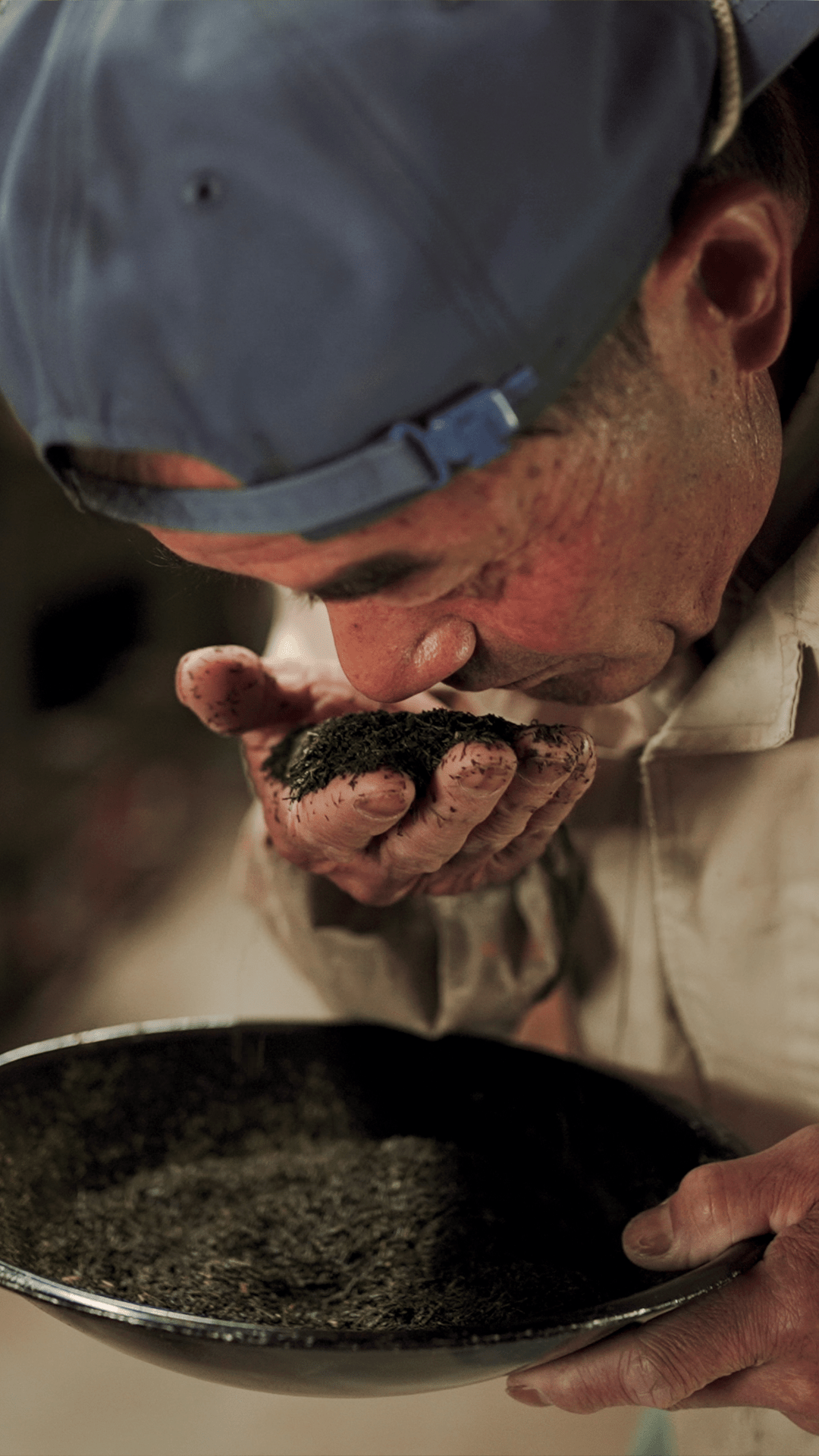
製茶した茶葉の香りを手に取って確かめる茶師 / Tea maker checking the aroma of freshly processed leaves by hand - 今村茶園

For firing, we use two drum roasters, bringing the aracha's moisture down from 5% to 2%. A mere 3% — but this difference decides the aroma and the afterglow.

Numbers alone do not determine the firing. Even with the same leaves, the ideal heat changes with the day's conditions and the humidity of the air. So rather than relying only on the thermometer, we read the rising aroma as we adjust the flame — discerning the moment just short of scorching, when the grassiness disappears and a sweet fragrance rises. The temperature moves between 80°C and 130°C, adjusted each time to the leaves.

Outside conditions shape the result as well; on humid, rainy days, we do not fire. Only when every condition falls into harmony is a sweet, fragrant tea complete.

工場に並ぶ茶殻の容器。畑へ還す循環の一場面 / Tubs of tea residue at the factory, part of our soil cycle - 今村茶園
土へ還すための茶殻が入った容器 / Tubs of spent tea leaves ready to be returned to the soil - 今村茶園

Cycle

Circulation

In the course of growing and production, some leaves fall outside the sorting line or spill during transport. We never throw them away. We gather them and return them to the fields. For tea, the best fertilizer is tea itself. By returning what was born of the same fields to the soil, the nutrients circulate within the land. Not a single leaf is wasted — everything goes back to the earth, becoming the strength that raises the next tea.

茶殻を畝間にまき土へ還す作業 / Spreading spent tea leaves back onto the field rows - 今村茶園
刈り落とした枝葉を畝間に敷き、土へ還す循環の工程 / Pruned tea leaves spread between rows to return to the soil - 今村茶園

The leaves returned to the soil serve two roles. One is as a protective cover for the surface: spread over the field, they suppress weeds and prevent the soil from drying out or washing away in the rain. The other is as fertilizer: as they slowly decompose, the nutrients they hold return to the soil, becoming the strength that raises the next tea. Leaves that would have been discarded now protect the field and nurture the soil — a circulation in which not a single leaf is wasted.


Highlights


In 2024, Kagoshima Prefecture produced approximately 27,000 tonnes of aracha — unrefined tea — claiming the top position in Japan for the first time since records began in 1959. For decades, that place had belonged to Shizuoka. In 2025, production exceeded 30,000 tonnes, holding the top rank for a second consecutive year.

200,300

Plantation’s total field area

1st

Kagoshima’s rank

30,000t

Kagoshima’s raw tea output

44%

Third harvest production

This achievement was not made by Kagoshima alone. It stands on the accumulated knowledge and craft of tea producers across Japan — generations of growers who shaped what tea-making in this country has become.

At Imamura Tea Plantation, we tend to each leaf with the same care that this land and its history demand. Rooted in Kagoshima's nature and the tea culture passed down through time, we continue — quietly, steadily — moving toward the next era of what this place can become.


CERTIFICATIONS

Certifications

Imamura Tea Plantation holds both ASIAGAP and Organic JAS certification.
Each represents an independent, third-party recognition of our commitment to responsible farm management, environmental care, and consistent quality.
To honor the nature of Kirishima — and to deliver a cup you can trust. Certification is one form that promise takes.

ASIAGAP認証登録証明書(今村茶園・緑茶) / ASIAGAP certificate of registration for our green tea farm - 今村茶園
ASIA GAP

CERTIFICATE OF REGISTRATION
Certification Number: MIC-S-A460000095

  • Standard
    Farm Management and Compliance Standard for Tea, Version 2.3 (Revised Version 1)
  • Certification Type
    Individual Certification
  • Product Category
    Tea
  • Products
    Green Tea (Raw Leaves, Unrefined Tea)
  • Certified Scope
    BI (Cultivation and Harvesting)
    BIII (Processing)
有機JAS認証書(有機農産物・今村茶園) / JAS Organic certification for organic tea farming awarded to Imamura Tea Plantation - 今村茶園
Organic Agricultural Product Process Manager

Certification Number: 1097

  • Type of Agricultural Products Subject to Certification
    Organic Agricultural Products
  • Legal Basis for Certification
    Act on Japanese Agricultural Standards (Act No. 175 of 1950)
  • JAS Standards for Certification
    Japanese Agricultural Standards for Organic Agricultural Products
  • Technical Standards for Certification
    Technical Standards for Certification of Organic Agricultural Products and Organic Feed (limited to those that have introduced processes such as sorting or selection only) for Production Process Managers and Overseas Production Process Managers
有機JAS認定書(有機加工食品・今村茶園) / JAS Organic certification for processed tea awarded to Imamura Tea Plantation - 今村茶園
Organic Processed Food Production Process Manager


Certification Number: Processing 1108

  • Type of Agricultural Products Certified
    Organic Processed Foods
  • Legal Basis for Certification
    Act on Japanese Agricultural Standards (Act No. 175 of 1950)
  • JAS Standards for Certification
    Japanese Agricultural Standards for Organic Processed Foods
  • Technical Standards for Certification
    Technical Standards for Certification of Organic Processed Foods and Organic Feed (limited to those that have introduced processes such as sorting or selection only) for Production Process Managers and Overseas Production Process Managers

ASIAGAP is a farm management certification program approved by the GFSI (Global Food Safety Initiative) — the internationally recognized body supported by the world's leading food companies and retailers.

Certification confirms that Imamura Tea Plantation meets rigorous standards across food safety, environmental management, worker safety, human rights, and farm operations — all verified by an independent third-party auditor.

For importers, ASIAGAP certification provides documented assurance of responsible agricultural practice, supporting compliance with international food safety requirements at the point of customs clearance.

Organic JAS is Japan's national certification for organic agricultural products, administered by the Ministry of Agriculture, Forestry and Fisheries. It certifies that our tea is produced without the use of synthetic pesticides or chemical fertilizers, under strict and independently verified standards.

Critically for international buyers: Japan's Organic JAS certification holds mutual equivalence recognition with the USDA National Organic Program (NOP). Products certified under Organic JAS may be sold as organic in the United States without requiring separate USDA certification. Equivalence has also been recognized with EU organic standards.

For importers, this means reduced certification barriers and a clearer path to market — backed by one of the most stringent organic standards in Asia.


Brand concept


Our concept, "I want the afterglow of Kirishima to linger on."
comes from a simple wish.

The memories you carry from visiting Kirishima—
the wind of Kagoshima, the warmth of its people,
the feeling of being welcomed by a gentle hometown.

Moments when you think of your family,
your loved ones,
or someone you wish to reach out to.

In those quiet, nostalgic moments,
we hope that a cup of Imamura Tea
will let you feel that afterglow once again.

We are committed to sharing the beauty of Kirishima tea
and the richness of its natural landscape
with people all around the world.

Like the resonance after a bell is struck,
the sound fades, but something still lingers in the air.
We call that yoin — the afterglow.


About This Project

Company

IMAMURA TEA PLANTATION
Founded 1947

Address

655-15 Karegawa, Hayato-cho, Kirishima-shi, Kagoshima 899-5113 Japan

Contact Information

Tel 0995-43-9162
Fax 0995-43-9260

Hours of Operation

10:00 – 17:00
Closed on Sundays and National Holidays

Tea Master:Hirotsugu Imamura

When I face the craft of tea, I always hold on to a sense of “freedom.”I listen to the voice of nature, break away from fixed forms, and quietly explore the possibilities within each cup.

Producer:Yoshihiro Shimazu

Tea takes me places I never expected—beyond landscapes, beyond time, and sometimes even beyond myself.It keeps leading me forward, and I keep following.

Branding:I.T.P.entertainment

We deliver emotion through stories and tea, crafting moments that stay with you.

Certifications & Qualifications

JAS Organic farm production process manager, cert. no. 1097
JAS Organic processed food production process manager, cert. no. 1108
ASIAGAP Certification Number: MIC-S-A460000095

Imamura Tea Plantation – ASIAGAP Certified Farm, Reg.A460000095, Kirishima Kagoshima Japan
Imamura Tea Plantation – Organic JAS Certified by Kagoshima Organic Agriculture Association, Kirishima
Imamura Tea Plantation – Kagoshima Prefectural Tea Association Chairman's Award, Kirishima
Imamura Tea Plantation – Kyushu Agriculture Director's Award, Kagoshima Prefectural Tea Evaluation
 

PRESENTED BY

IMAMURA TEA PLANTATION

© all rights reserved

I want the afterglow of Kirishima to linger on.