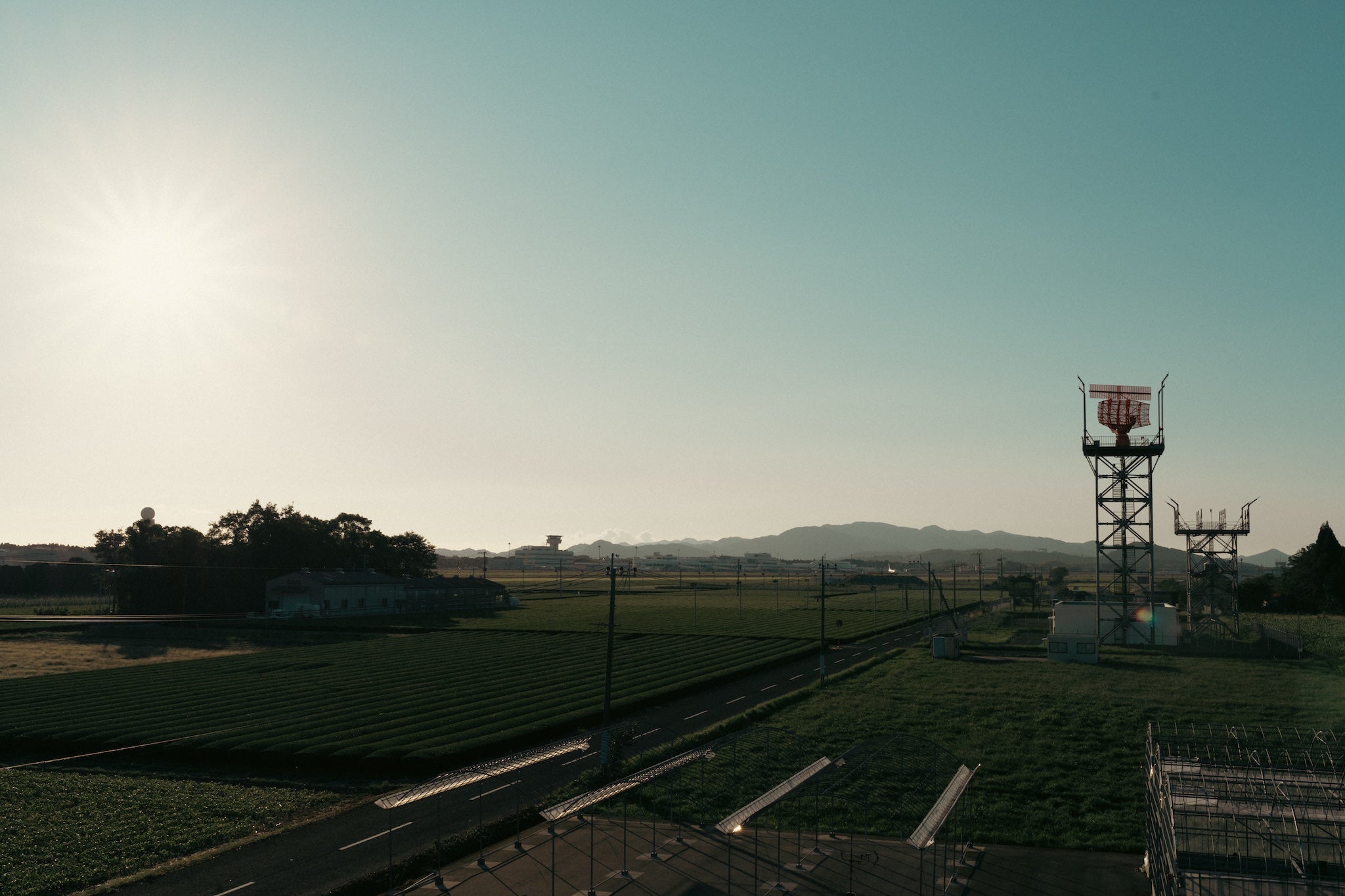
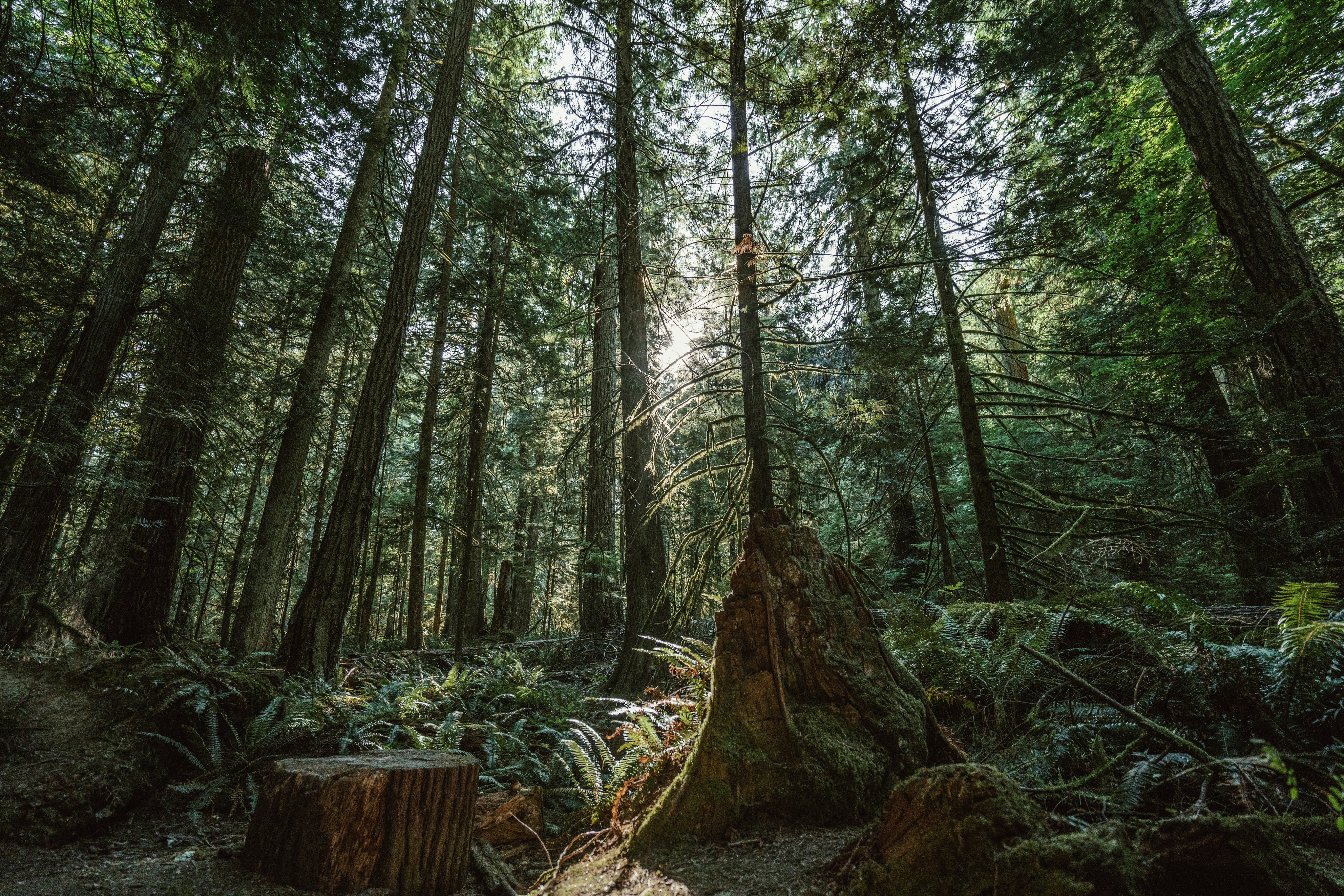
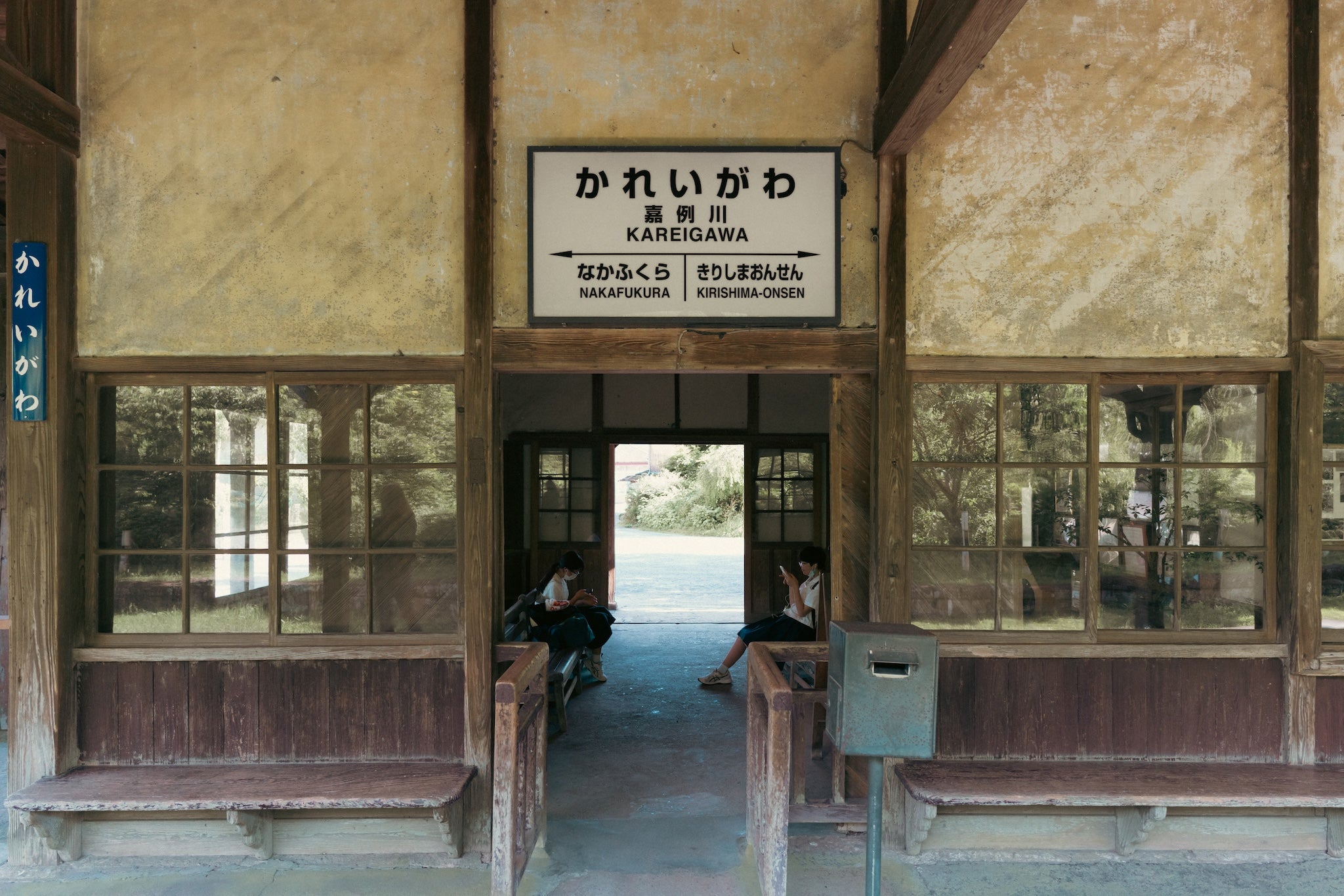
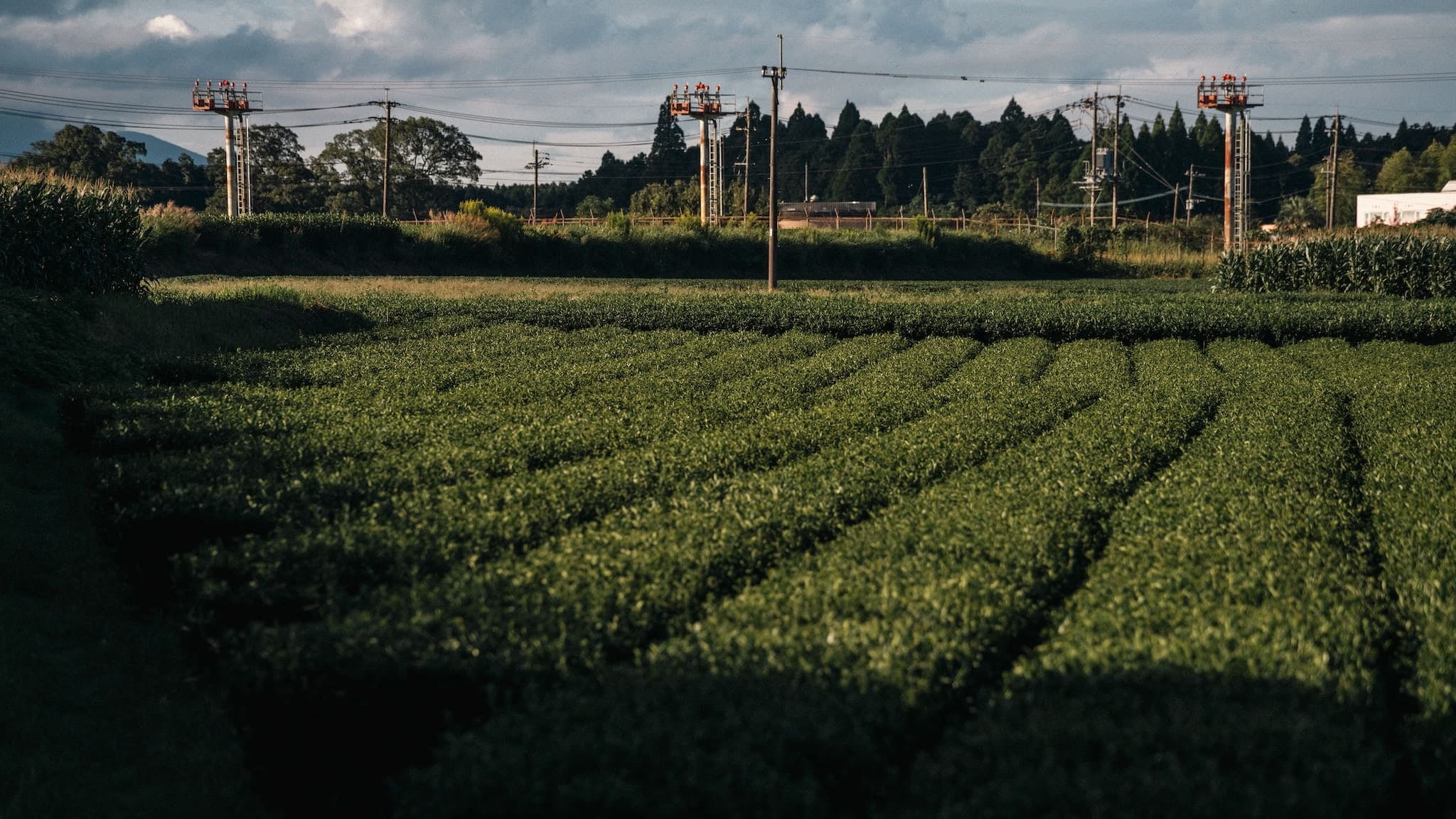
朝の光に包まれる霧島・鹿児島空港近くの茶畑 / Morning light over our tea fields near Kagoshima Airport, Kirishima - 今村茶園

The Land of

JUSAN TSUKABARU

In the mornings, she would have the cattle pull their loads up the slope toward the plateau. That plateau is Jusanzukabaru. Spreading north of the Kokubu plain, this shirasu plateau of layered volcanic ash holds no water underfoot, and wide, dry winds pass through it. Once known as the "field of Itobashiri," it was covered in rapeseed blossoms until the early Showa era, and in spring, they say, the flower-viewing visitors never ceased.

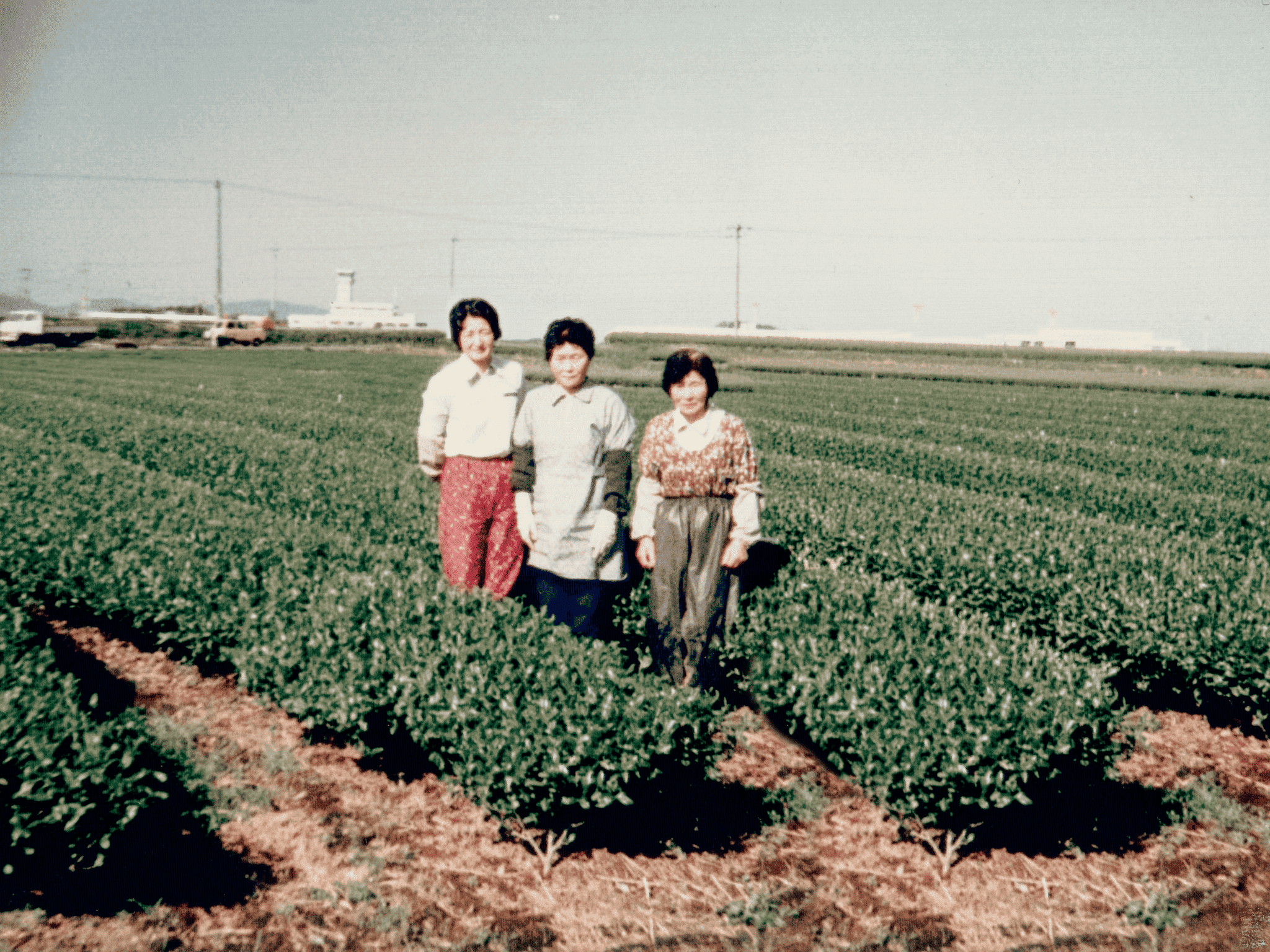
Hisae of Kirishima, too, was one of those who planted tea seedlings. While tending her livestock, she began planting tea on this land — working silently, steadily supporting her family and their livelihood. That small first step would become the beginning of Imamura Tea Plantation.

Hisae Imamura with family in a tea field, with the opening of Kagoshima Airport in the background (今村ヒサエと家族・茶畑にて、鹿児島空港開業を背景に)

A SEED IN THE SOIL

Entering the 1960s, circumstances changed dramatically. Overseas, Japanese black tea lost its competitiveness, while at home, demand for green tea spread. Production gradually shifted from black tea to sencha, and Kagoshima grew into one of Japan's leading sencha regions. Yet one thing at Imamura Tea Plantation never changed: the native cultivar "Yamatomidori" that Hisae first planted — those same plants live on as black tea, even now, in the age of sencha.

今村茶園の原点・今村ヒサエの古い肖像写真 / Vintage portrait of Hisae Imamura, founding generation of our tea farm - 今村茶園

January 15, 1925 to January 13, 2014

HISAE

IMAMURA

Hisae Imamura

Born in Hasama, Kareigawa Village, Aira District, Kagoshima, the second daughter of eight siblings. From early childhood, her daily life was lived alongside the fields and the cattle. Gentle in nature yet strong at the core, and endlessly patient, she never raised her voice; she simply kept her hands moving, supporting her family and their livelihood. While working in livestock farming she took part in tea making, and her hands never stopped until the very end. She loved handicrafts and knitting, working for her family on winter nights. Her soba making was renowned in the neighborhood, and she treasured hospitality above all. She never boasted of her strength, never spoke of her efforts. She simply accepted the land and the role she was given, and quietly carried on — and that posture is the very origin of Imamura Tea Plantation.

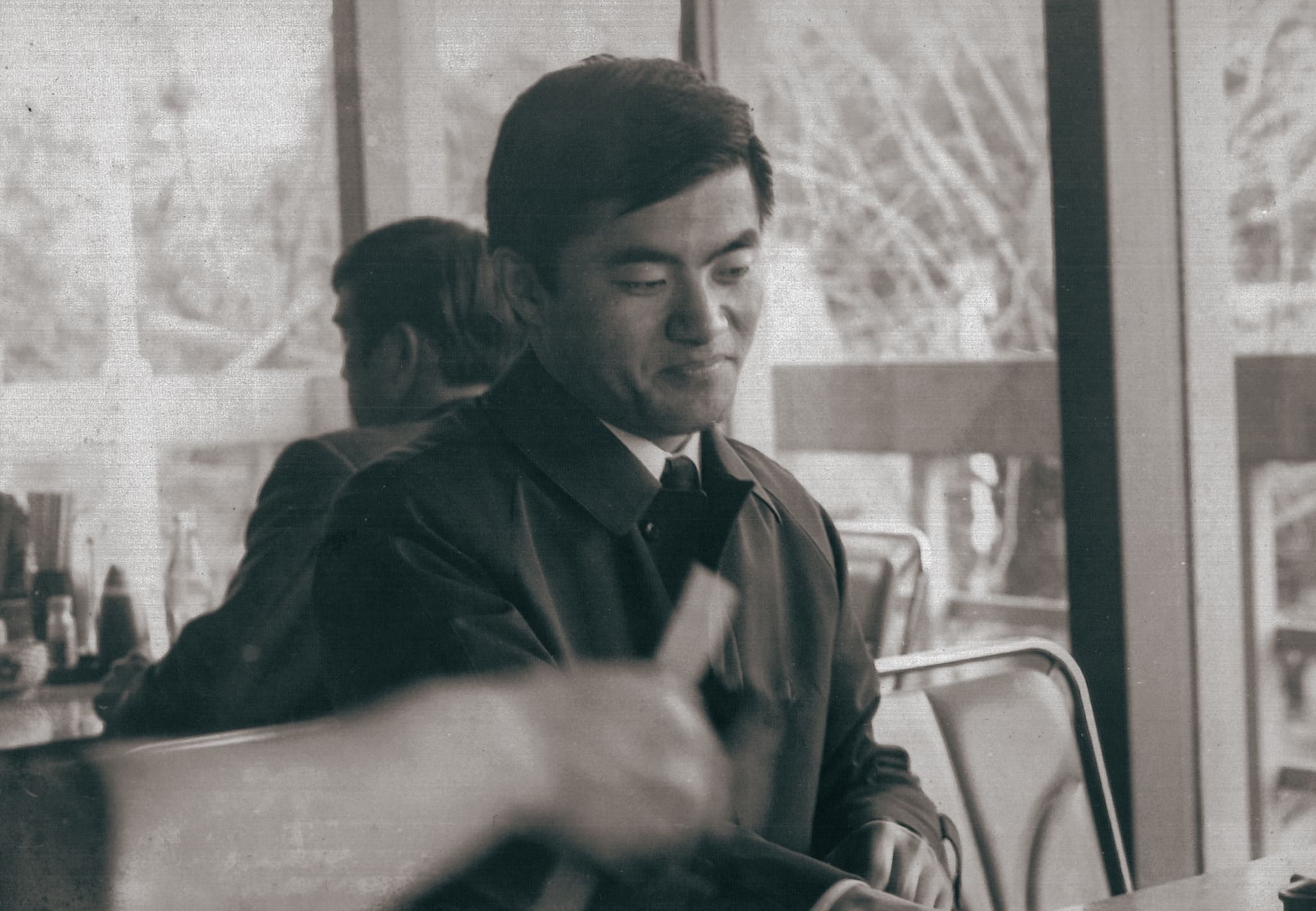
Yoshiharu Imamura during his engineering career in Tochigi, Japan (今村義治・栃木でのエンジニア時代)
 

Engineer’s

STARTING POINT

Born in 1948 in Hayato, Aira District, Kagoshima, Yoshiharu went to work for Hitachi after graduating from a national college of technology. It was the era of rapid economic growth — the very midst of Japan's great industrial expansion.

At the time, industry's attention was spreading from land to sea, and on to space. Yoshiharu, too, held a strong interest in ocean development, seeking resources in the sea.

His first assignment, however, was a project launching a new air-conditioning plant.

Not the ocean frontier he had imagined, but the inside of an enormous factory. There, for about four years, Yoshiharu worked on the management and control of entire production lines: automated control, and the development of control software in assembler. As a member of the project team, he implemented control technology at the world's leading edge — still with few precedents in Japan.

It was not the place he had wished for. Yet the skills and perspective he gained there would later form the very foundation of his tea making.

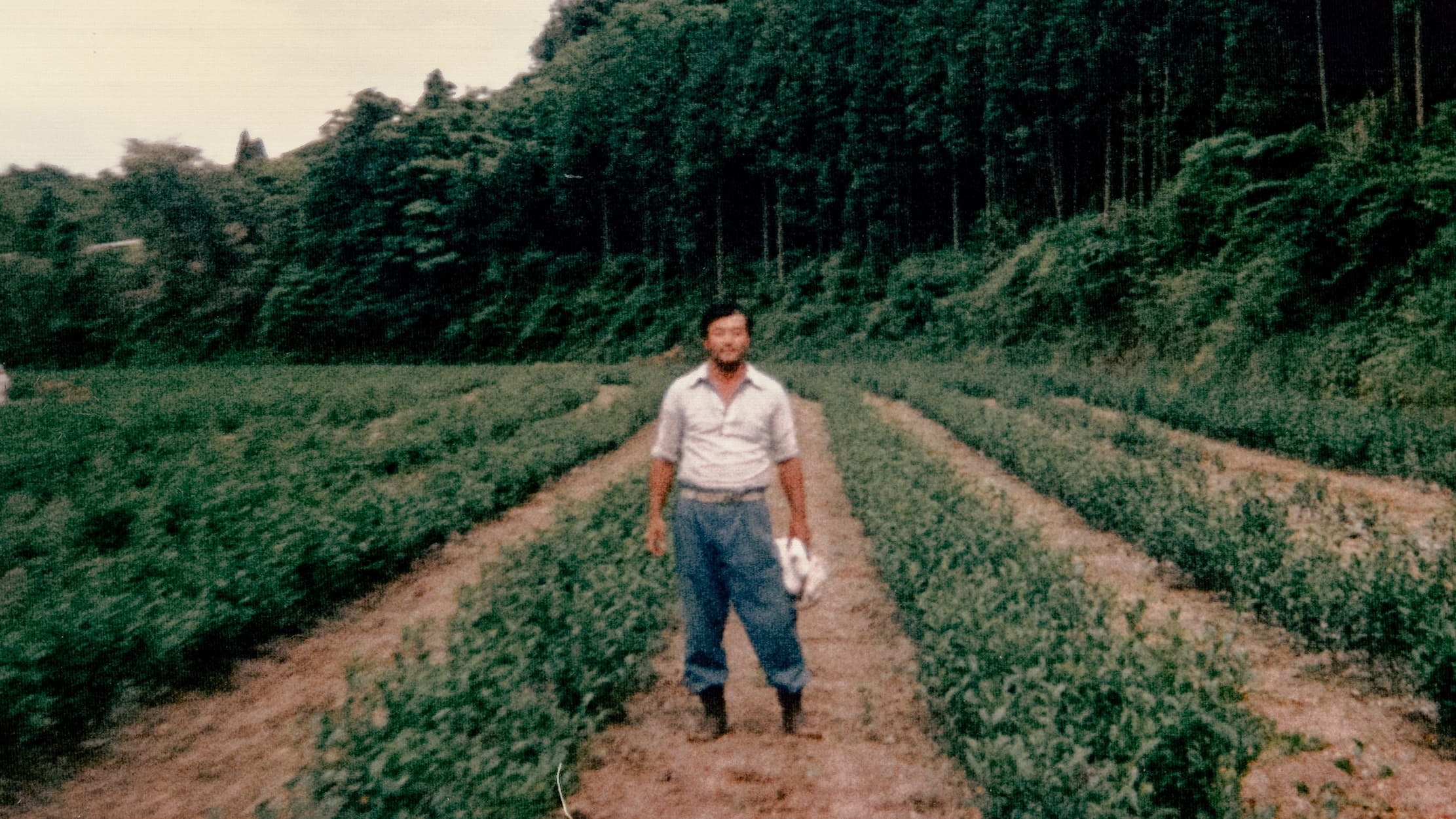
Yoshiharu Imamura in a tea field in Kirishima, Kagoshima, Japan (今村義治・霧島の茶畑にて)

THE DECISION TO RETURN

Even as he stood on the front lines as an engineer, voices from Kirishima began to reach him.

"Come home."

It was that single plea from his family. The decision to leave the company took three years — a choice made after agonizing, deliberating, and fulfilling his responsibilities while still serving in the production engineering division. It was not a job he could easily let go.

The place Yoshiharu returned to was the hometown of his wife, Junko. Adopted into the Imamura family, he took its name and chose to live on this land.

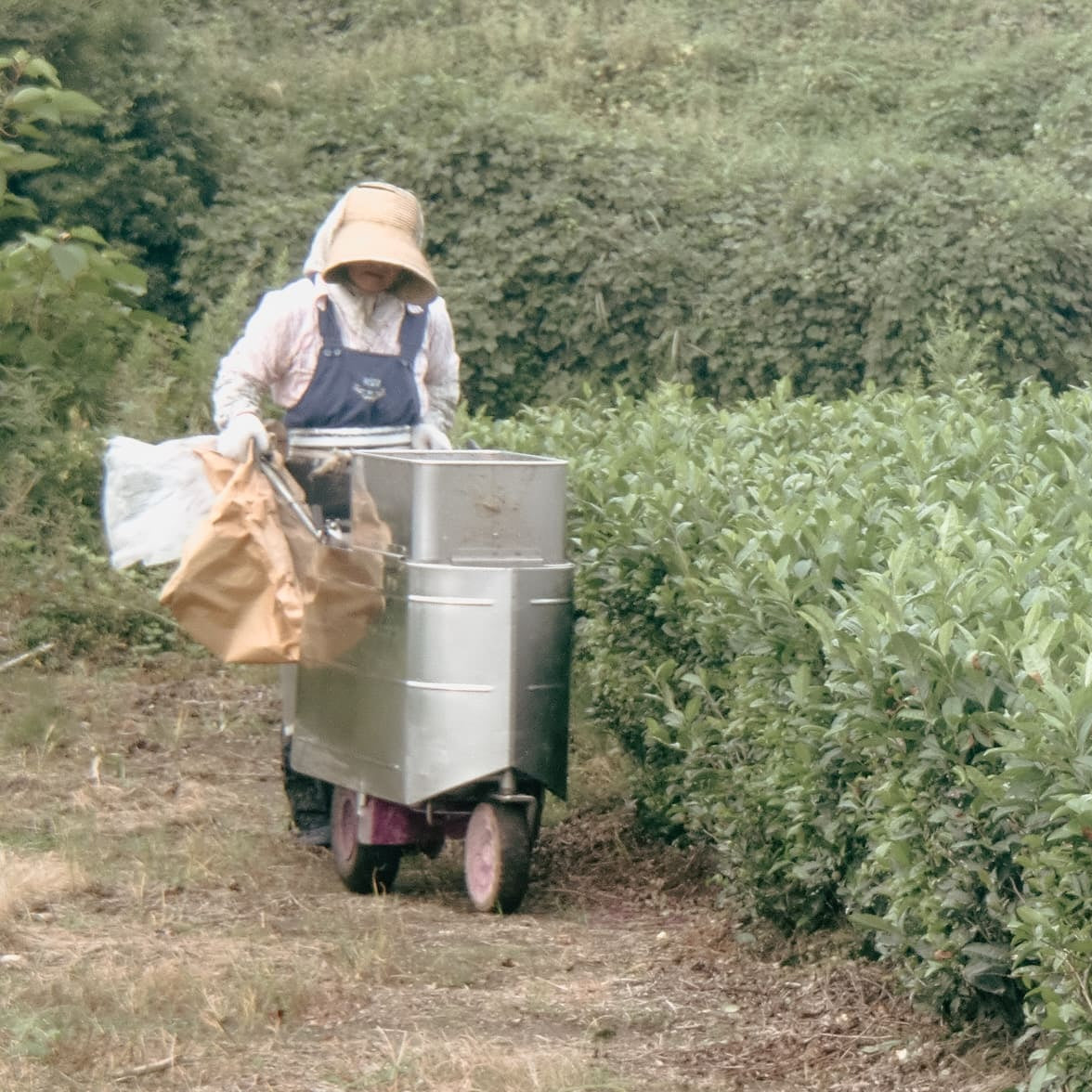
茶畑で小型摘採機を使う収穫の記録写真 / Archival photo of harvesting tea with a small machine along the hedges - 今村茶園
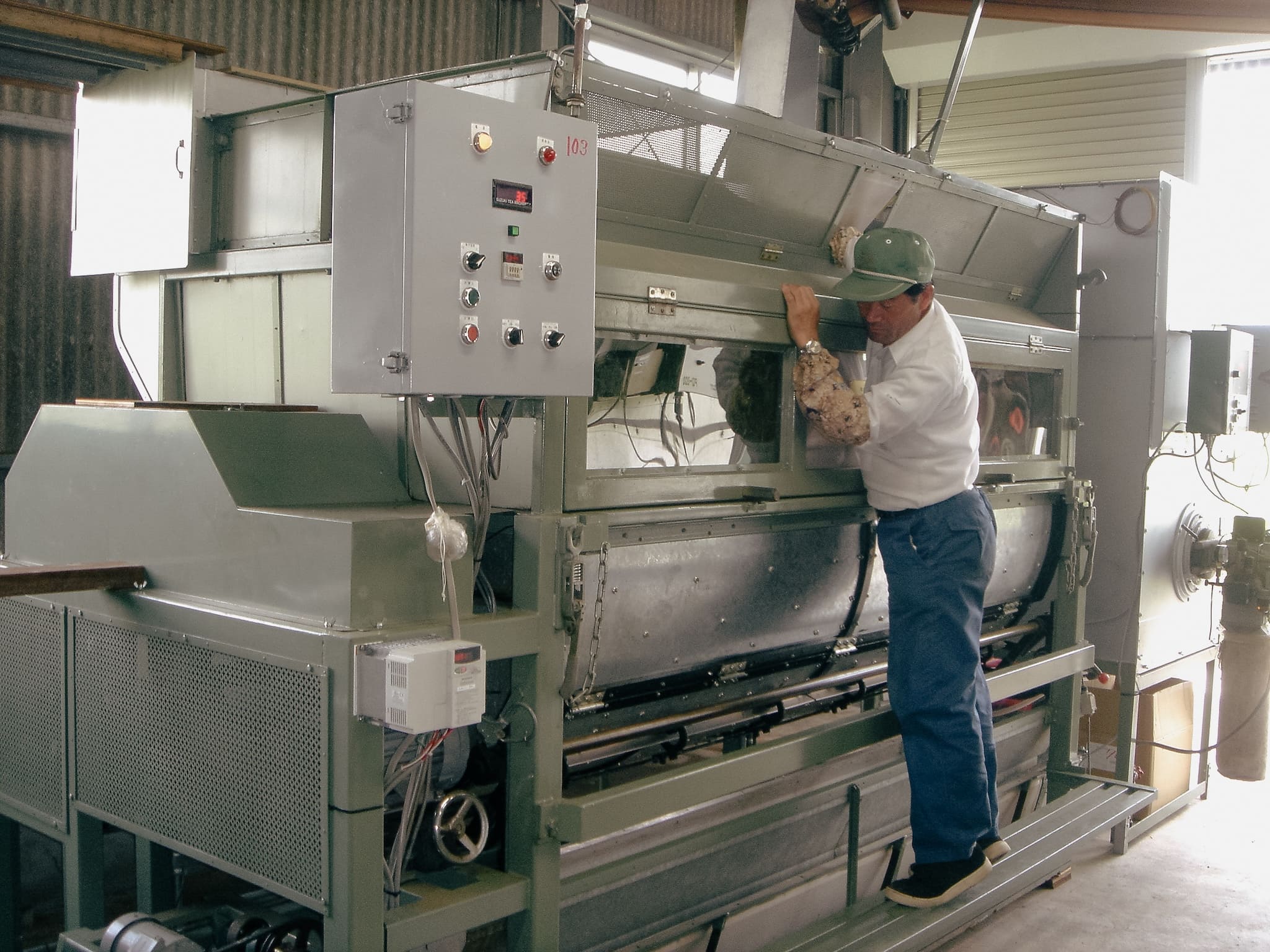
大型の製茶機械を調整する記録写真 / Archival photo of adjusting a large tea processing machine - 今村茶園
夕焼け雲と茶畑、製茶工場(モバイル用縦型) / Tea fields and factory under sunset clouds in Kirishima, vertical for mobile - 今村茶園夕焼け雲と茶畑、製茶工場(モバイル用縦型) / Tea fields and factory under sunset clouds in Kirishima, vertical for mobile - 今村茶園

It Means NOTHING WITHOUT YOU

About three years had passed since the airport opened, and tea cultivation was beginning to flourish in the surrounding area. Back home, Yoshiharu turned to face tea making.

Even so, he could not live on tea alone right away. Tea trees take years before they can be harvested. In the meantime, he and Junko continued raising cattle to support the household.

When tea production began to stabilize, Yoshiharu devoted himself to tea. Until then, it had been taken for granted that you grew tea, harvested it, and brought it to a nearby tea factory.

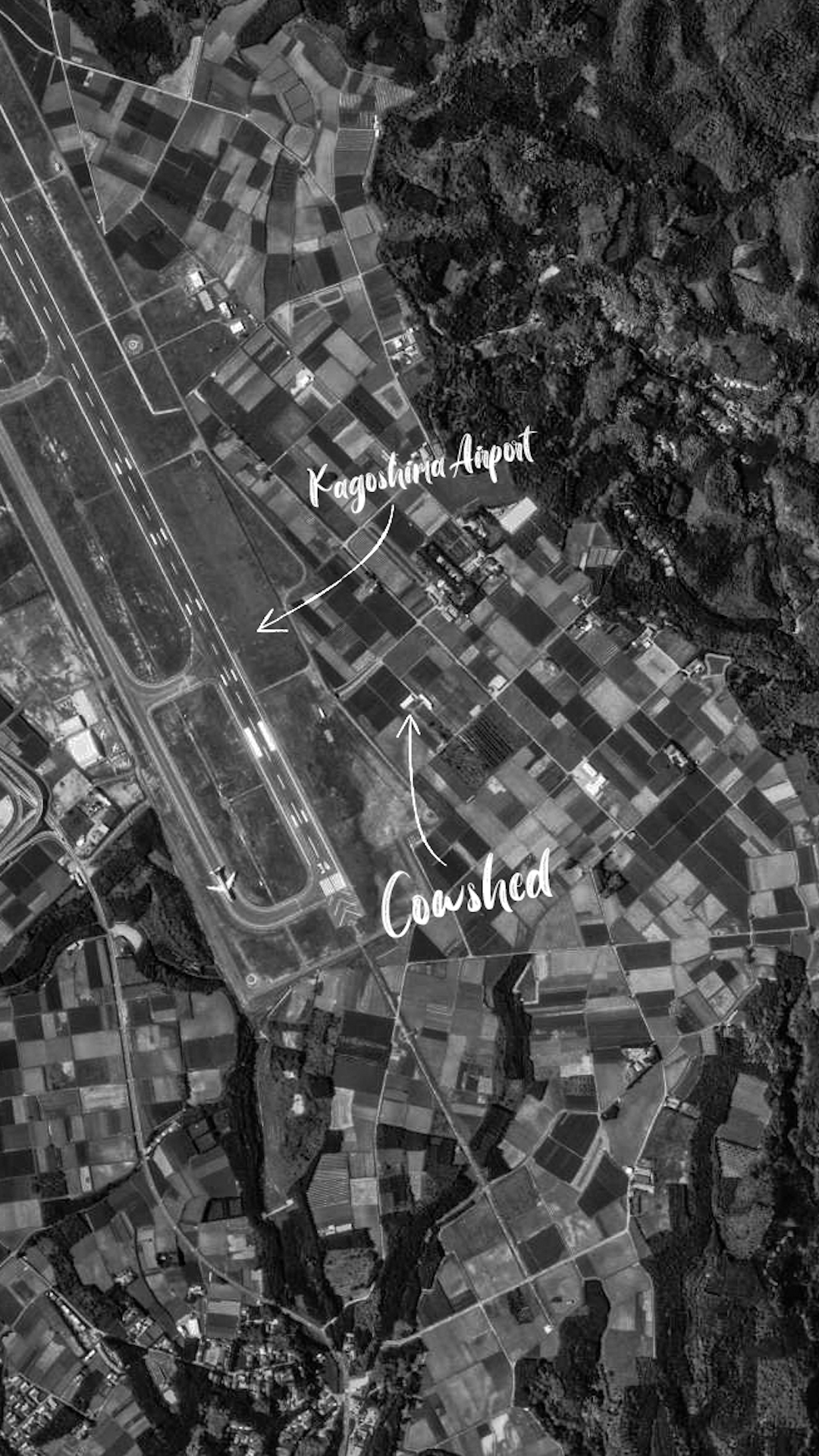
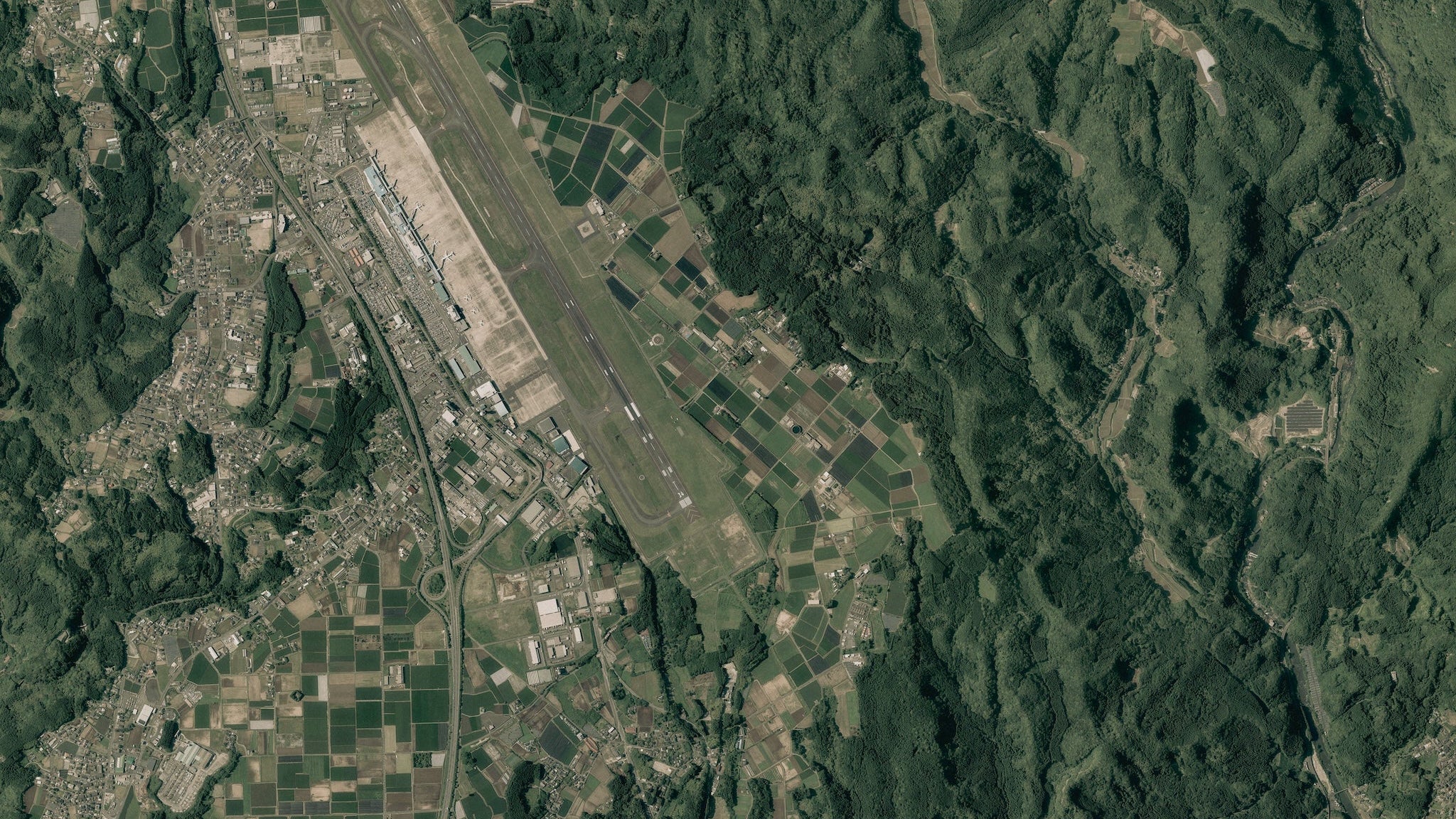
鹿児島空港と牛舎の位置を記した航空写真 / Aerial photo marking Kagoshima Airport and the family cowshed - 今村茶園

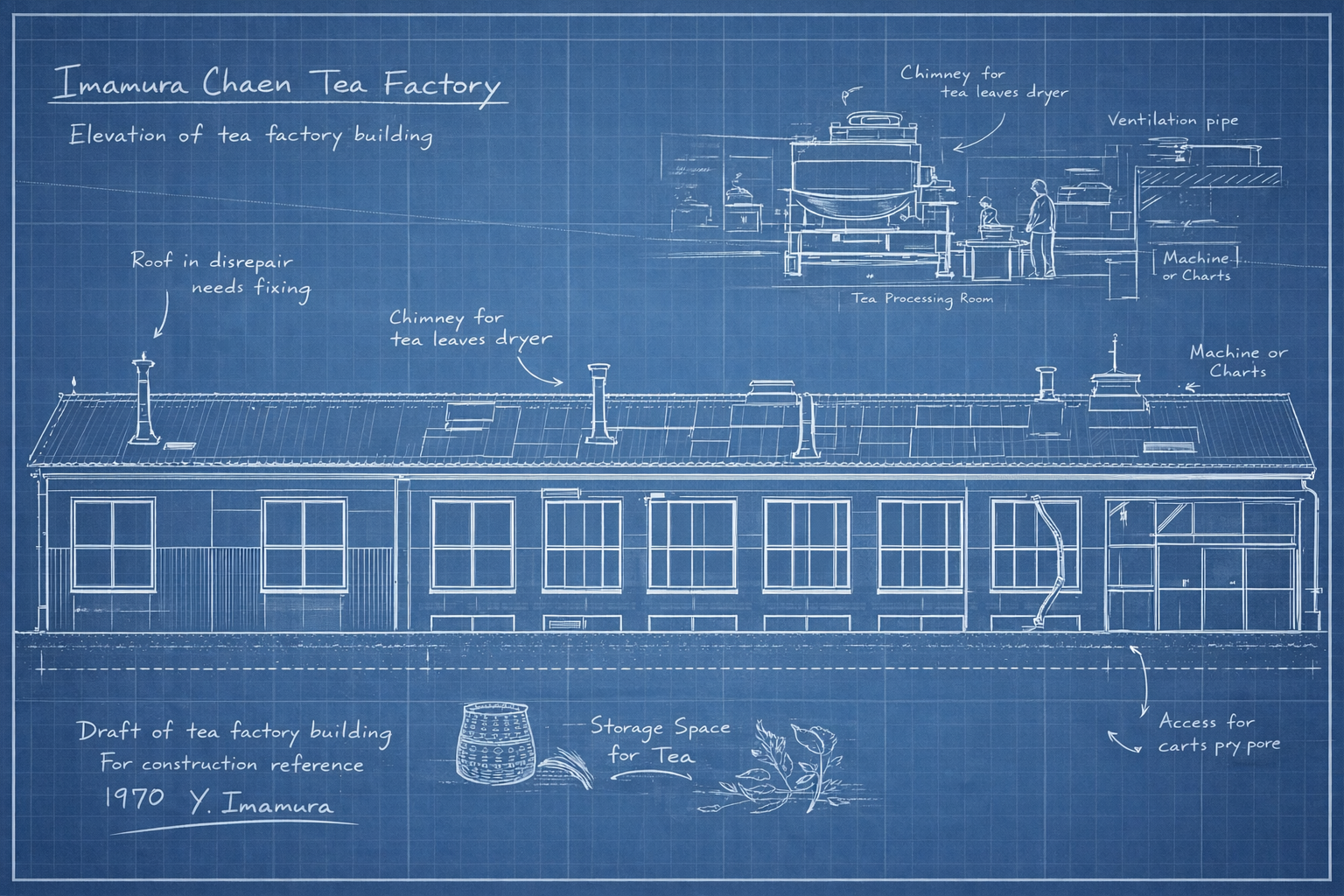
Here, the perspective he had cultivated as an engineer came into play. Yoshiharu built a tea factory where everything from cultivation to production and processing could be done with their own hands. Next to it stood Hisae's cattle shed. Hisae, they say, lent a hand with the tea while tending her cattle.

1970年建設の今村茶園製茶工場の図面風イラスト / Blueprint-style drawing of the Imamura Chaen tea factory built in 1970 - 今村茶園

Most of the finished tea went to wholesalers, tea merchants, and the tea market. But that alone could not carry their tea making through to the end. In time, the cattle shed was transformed into a roasting factory, and a system took shape in which everything from roasting to sales could be handled by the family themselves.

The tea fields kept growing, too — about 18 hectares in Yoshiharu's generation. Four times the size of the Tokyo Dome.

製茶工場で記録をとる義治さん(チャプター2) / Yoshiharu taking notes in the tea factory — chapter 2 - 今村茶園

At the time, much of Kagoshima's tea was sent to other regions to be used as blending material — to add color, round out flavor, or increase volume. It was an era when Kagoshima tea was still rarely delivered as "Kagoshima tea."

What Yoshiharu encountered was a wholesaler in Yame, Fukuoka.

Yame tea is utterly different from Kirishima's. Its aroma is strong, its umami deep; it has a force that seems to lift you from within the moment you drink it. It runs in a different direction from the gentle sweetness of Kirishima tea.

Under this Yame wholesaler, Yoshiharu kept answering what was asked of him. Something better. Something higher. It was not easy. Machines move exactly as they are set. Tea trees do not. The soil, the temperature, the rainfall — all differ year by year. Even the same field will not yield the same tea as last year.

And yet, those years of answering that call shaped the flavor of Imamura tea. Rooted in Kirishima, yet different from the usual direction of Kirishima tea — a strength you recognize the moment you drink it. That is because those years with the Yame wholesaler lie at its foundation. Yoshiharu's hands were hands that had touched control panels in a factory. Now those hands came to touch each individual leaf. Firmness, softness, thickness — different in morning and evening, different yesterday and today. He recorded those differences, every day, every year.
Force your own ideal onto the tea trees, and sooner or later you reach a dead end. What Yoshiharu did was the opposite: look at the state the tree is in now. Listen. Judge from there. It means using the precision honed in the factory, out in nature.

農場で撮影された今村家の記録写真 / Archival photograph of the Imamura family at the farm - 今村茶園

No matter the skill or effort, nothing begins without people who love tea and drink it.

Forty years, fifty years. What Yoshiharu built up was not only the craft of tea, but relationships with the community, trust, and cooperation. Living within the village and walking alongside it — that posture itself became the foundation of his tea making.

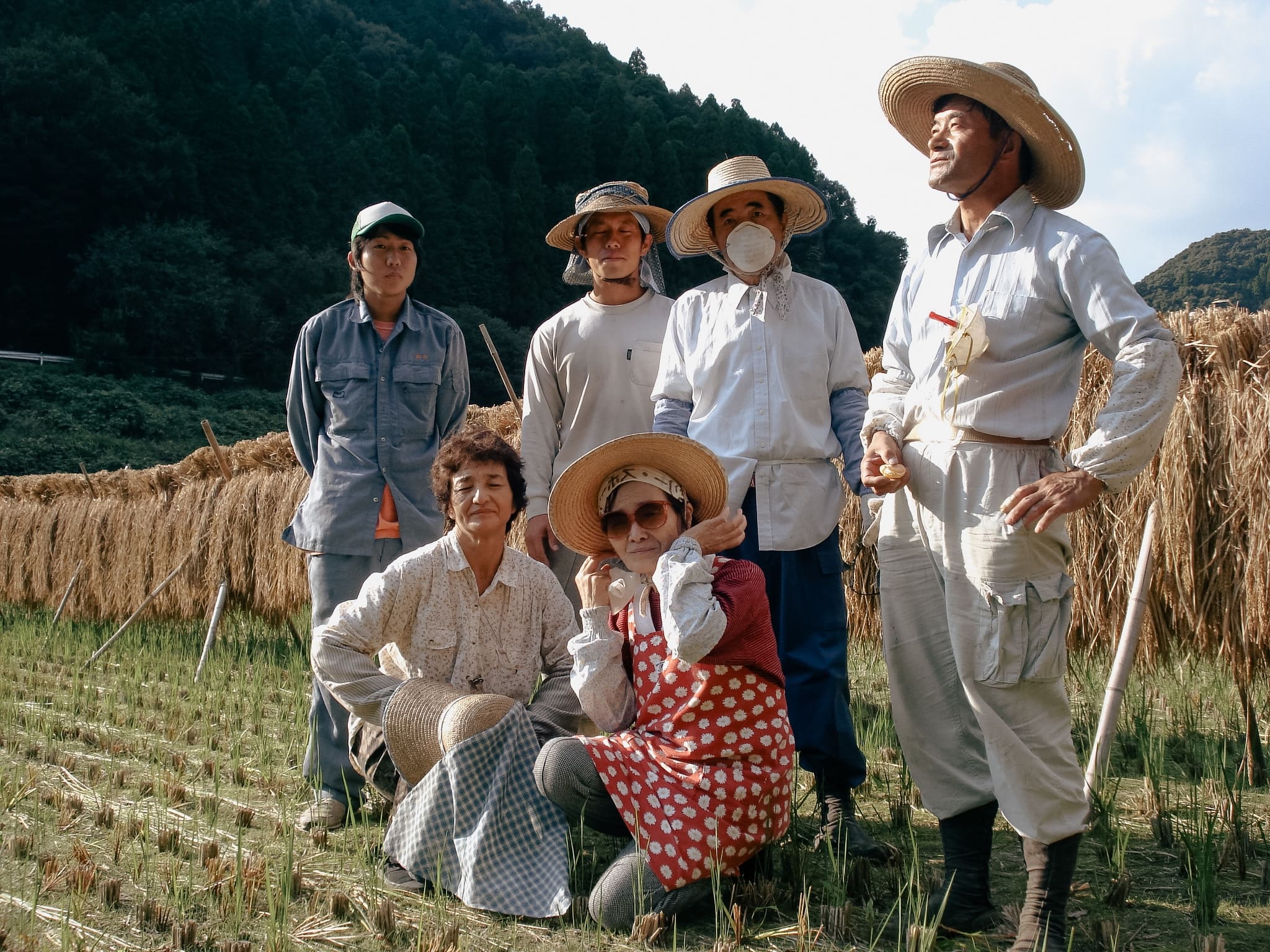
稲刈りの頃の今村家の古い家族写真 / Old family photograph of the Imamura family at rice harvest - 今村茶園
倉庫で荒茶の袋を扱う作業 / Handling bales of crude tea at the warehouse - 今村茶園倉庫で荒茶の袋を扱う作業 / Handling bales of crude tea at the warehouse - 今村茶園
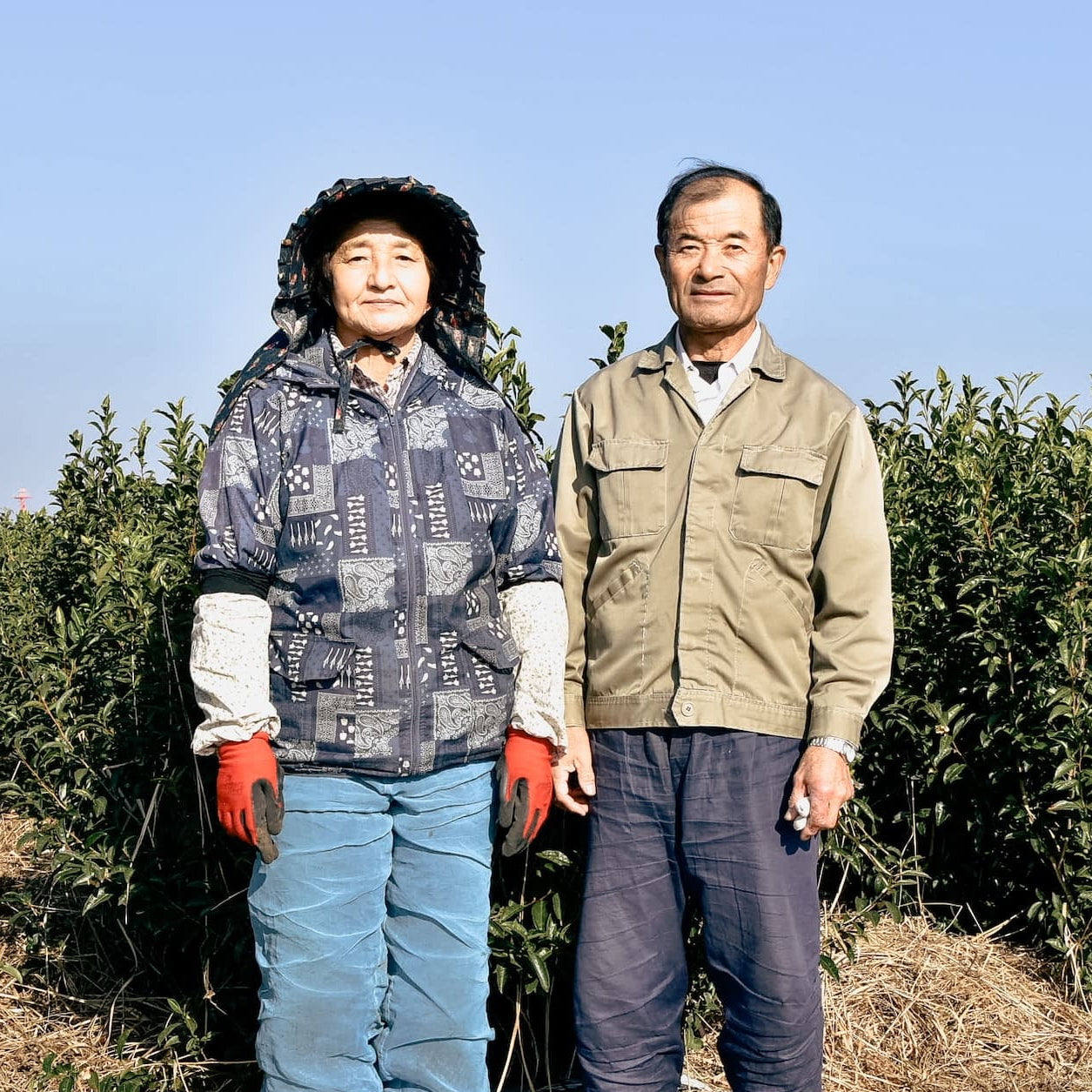
茶畑の前に並んで立つ今村家の夫妻 / Imamura family couple standing in front of the tea bushes - 今村茶園

Yoshiharu often says:

"Everything looks like tea to me. I connect everything back to tea."

Facing tea, facing people — the outcome depends on yourself. A life steeped in tea goes on, tomorrow as well.

Portrait of Yoshiharu Imamura of IMAMURA Tea Plantation in Kagoshima, Japan (今村義治プロフィール写真)

Born August 23, 1948

YOSHIHARU

IMAMURA

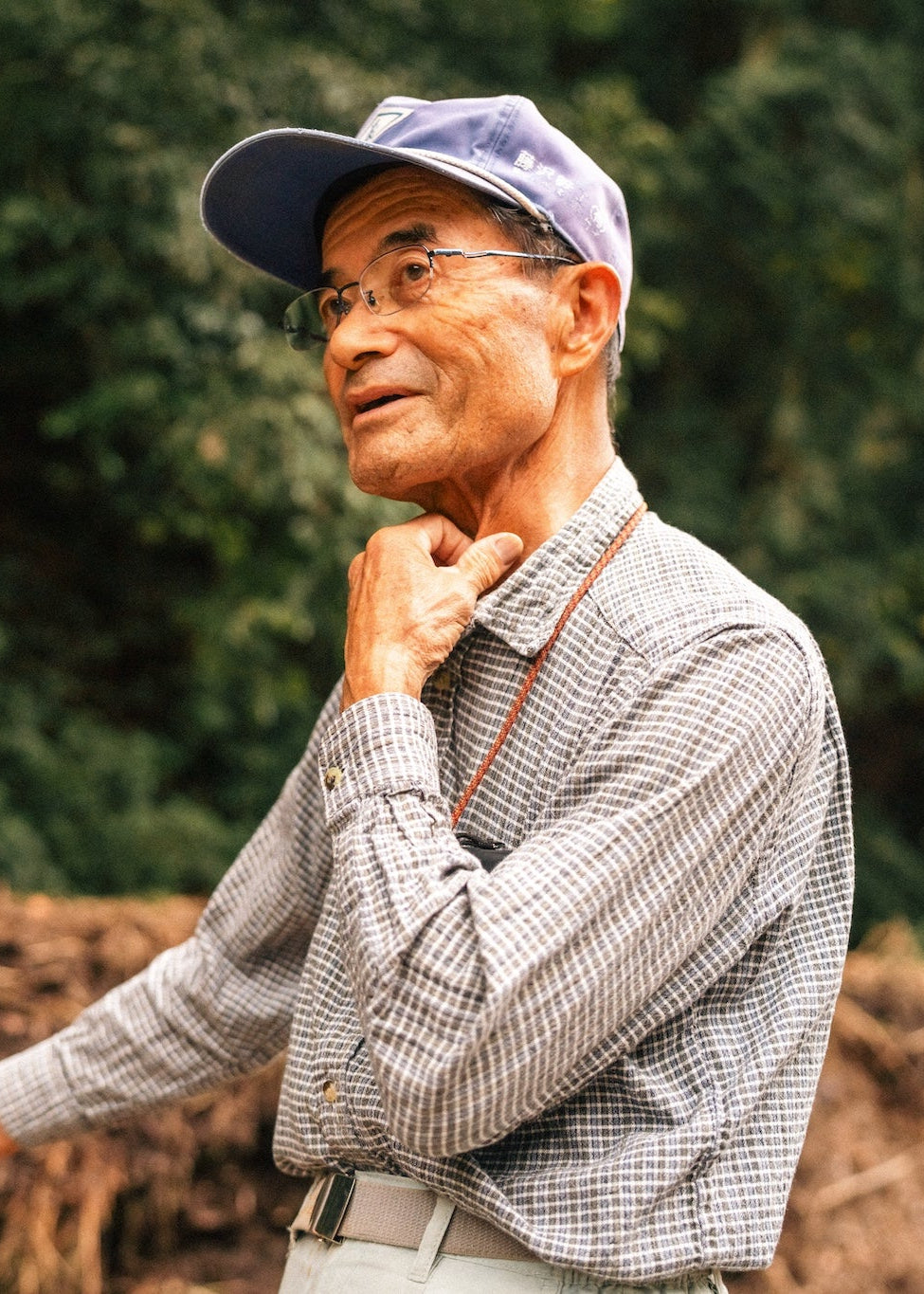
Yoshiharu Imamura

Born in Hayato, Aira District, Kagoshima. After graduating from a national college of technology, he joined Hitachi as an engineer and stood at the forefront of automated control technology. The hands that once ran enormous production lines came, in time, to pick tea leaves. After returning home, he was adopted into the Imamura family and began making tea, building an integrated system from production to management and expanding the plantation to some 18 hectares. "Everything looks like tea" — true to those words, he stands in the tea garden still.

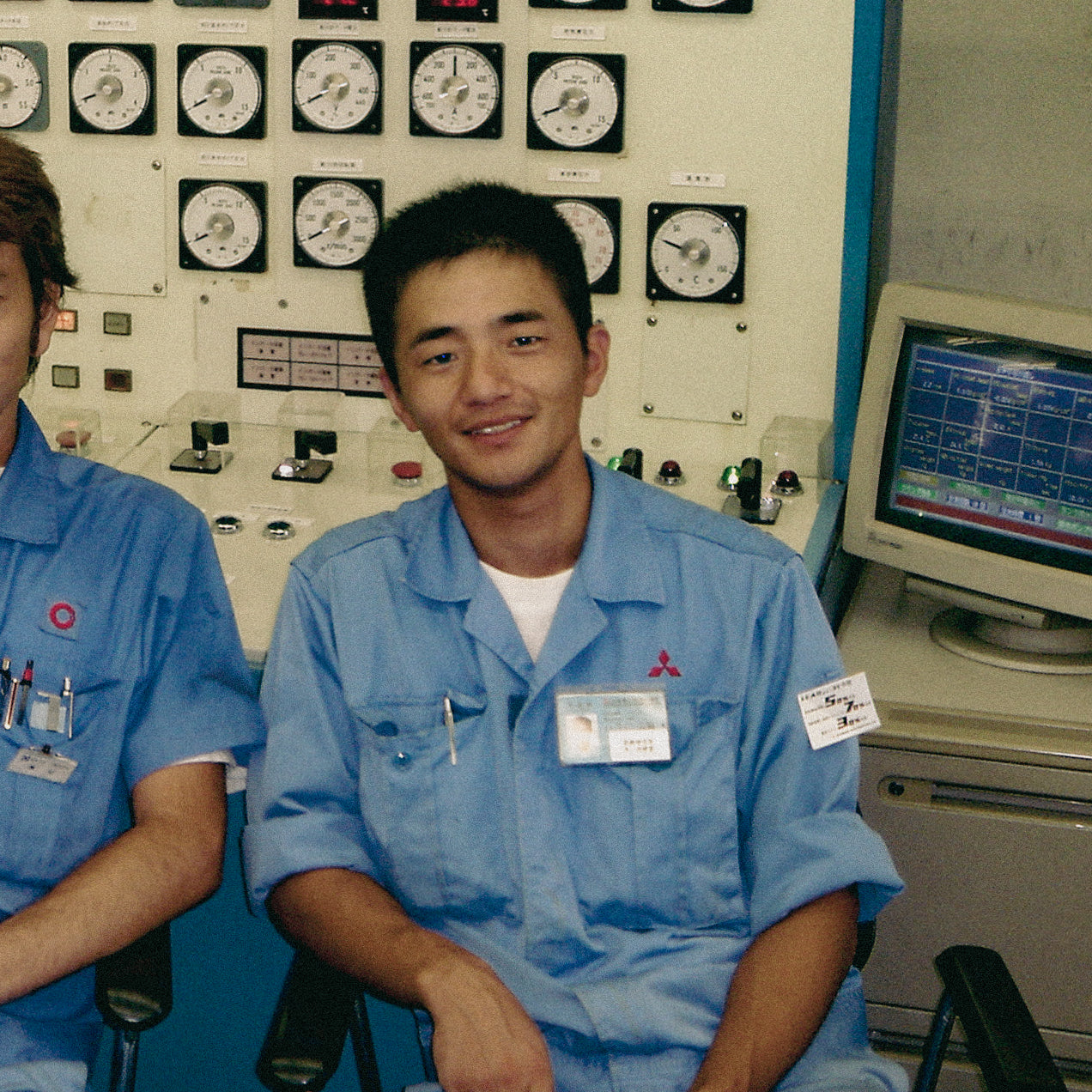
三菱系企業でエンジニアとして働いていた頃の記録写真(制御室にて) / Archival photo from his years as a plant engineer - 今村茶園
 

Another

FORM OF FREEDOM

Gradually, though, a sense of unease crept in. Even overtime was restricted; every decision needed a supervisor's approval. He wanted to immerse himself in one thing and pursue it to the end — and that disposition drifted out of step with organizational life.

He had left home in search of freedom. What he found was another form of constraint.

Around that time, things were changing dramatically at the tea plantation in Kirishima. Domestic demand for bottled tea beverages was surging, and tea production was busier than ever before. His father Yoshiharu could not possibly manage alone.

In 2004, at age 27, Hirotsugu decided to return to Kirishima with his wife, Satomi. It was a choice to go back, of his own will, to the place he had sworn never to inherit.

Tea fields swaying in the wind, and beyond them the ridgeline of the Kirishima mountains. The landscape he thought he knew looked entirely different.

茶畑に立つ夫妻と防霜ファン(記録写真) / Couple standing in the tea field with a frost fan behind, archival photo - 今村茶園

What awaited him was a reality harsher than he had imagined. From the salaried life of two-day weekends to the restless life of a tea plantation — at first, his body could not keep up with the change.

And the tea making itself was a string of failures. He had almost no knowledge or experience. Leaves that would not grow as he wished. Nothing he tried produced a flavor he could accept.

Anxiety, and questioning himself. That cycle continued for five years.

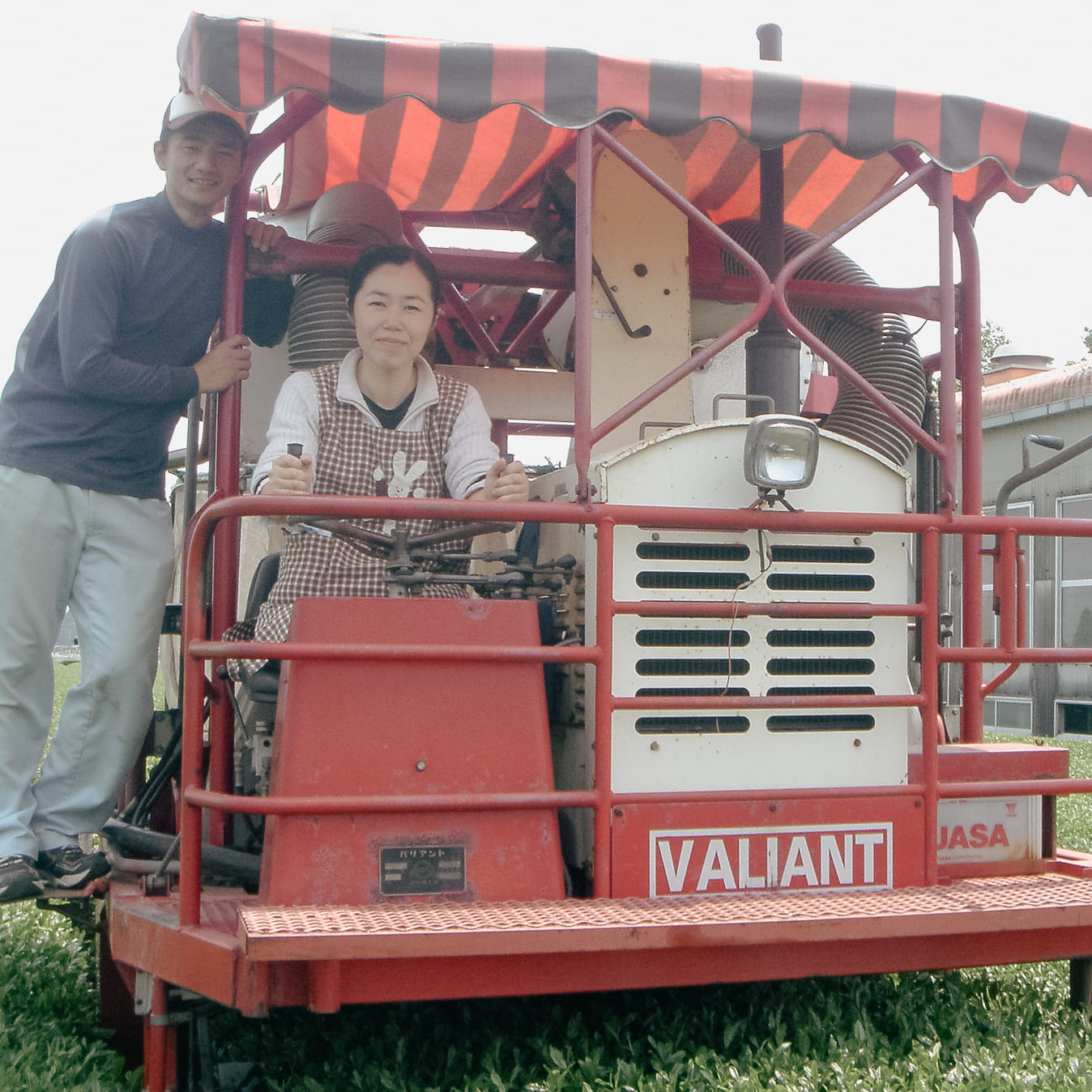
乗用型摘採機に乗る若き日の今村家の夫妻(記録写真) / The young Imamura couple on a riding tea harvester, archival photo - 今村茶園
Hirotsugu Imamura in a tea field after returning to Kagoshima, Japan (今村広嗣・鹿児島に帰郷後、茶畑にて)
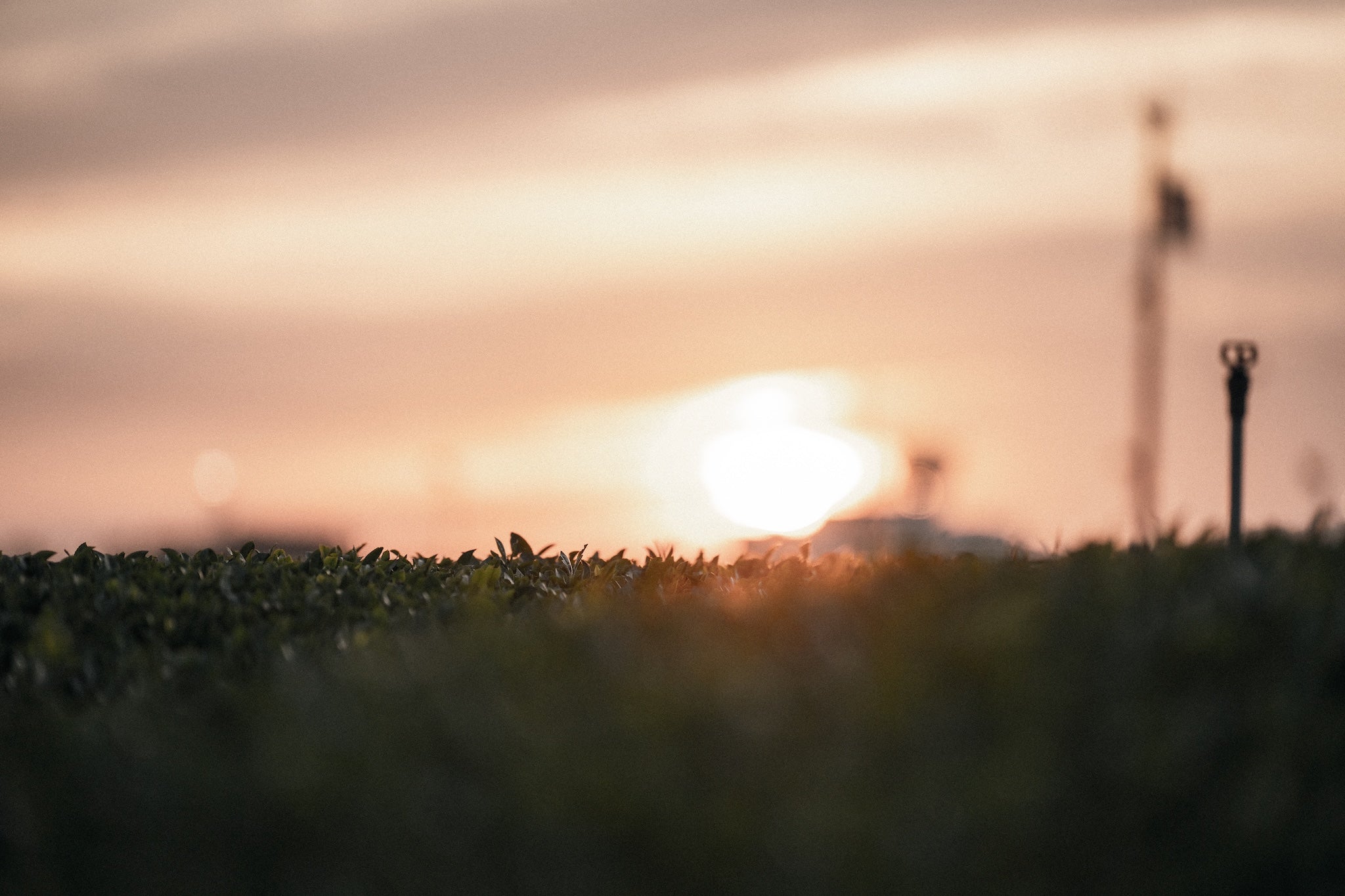
夕日に照らされる茶畑の畝 / Tea hedges glowing in the sunset at Imamura Tea Plantation, Kirishima - 今村茶園

TASTE OF FREEDOM

Then, a memory came back to him.

When he was still young, his father Yoshiharu had taken him to Shizuoka. In the parlor of a tea farmer's house, he was offered a cup of open-field tea. The moment it touched his mouth, a vivid aroma rose through him. A deep, full-bodied resonance lingered on the tongue. Even after he finished drinking, something seemed to loosen, deep inside his body.

In that single cup, Hirotsugu had felt "freedom."

That memory never faded, and in time it became the compass of his ideal tea making. Failure upon failure, Hirotsugu drew closer, little by little, to that one cup. The failures began to connect, one by one.

It took fifteen years.

製茶工場で茶葉を確かめる職人(モバイル用縦型) / Craftsman checking tea leaves in the factory, vertical for mobile - 今村茶園製茶工場で茶葉を加工する職人(ヒストリー映像2) / Processing tea leaves at Imamura Tea Plantation's tea factory in Kirishima, Kagoshima, Japan - 今村茶園

While inheriting the plantation Yoshiharu had built, Hirotsugu searched for his own way.

There was a wish Yoshiharu had long carried: to grow tea without pesticides, by the power of the soil. In those days, demand for pesticide-free tea was small, and at times he had no choice but to give it up. Hirotsugu took up that wish, gradually expanding the organically cultivated fields. Local Kirishima black vinegar, and neem — making their own fermented solutions from the seeds of the Indian lilac to ward off insects. Because it goes on their own fields, they want to use only what they can account for, ingredient by ingredient.

The labor increases. So do the risks. Even so, he wanted to bring the land's own strength, unaltered, into the tea.

Good tea cannot be born unless the fields and the factory are in good order. And that is not something one person can do alone. There is family, and there are the hands of the local community. Only when everyone can work in good spirits does the tea become something you can deliver with confidence. That is how Hirotsugu came to think.

In 2013, at age 36, he succeeded his father as representative.

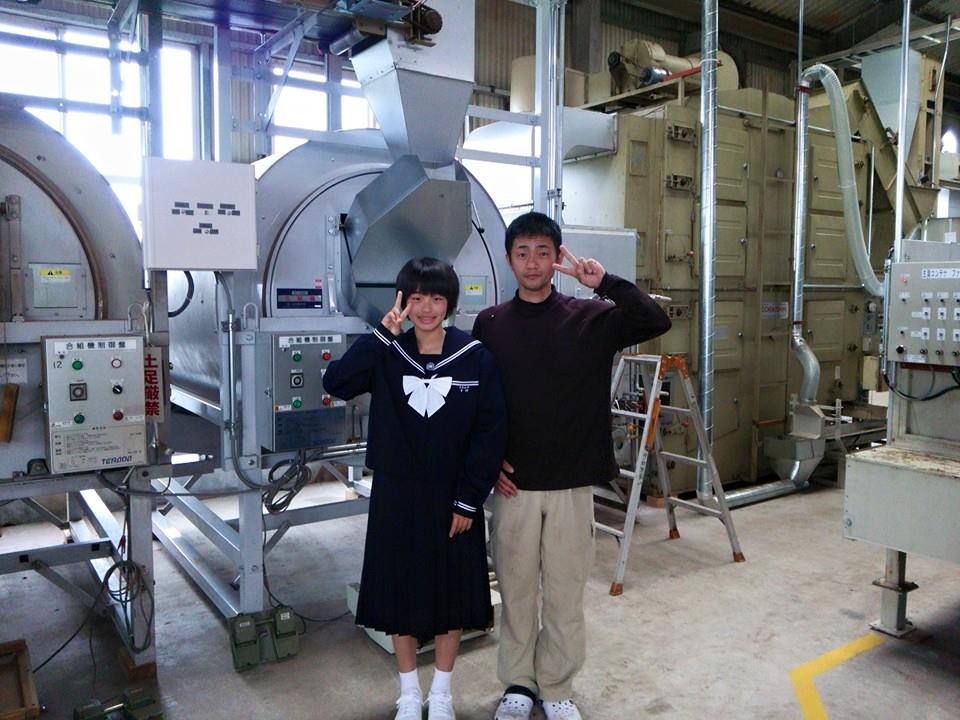
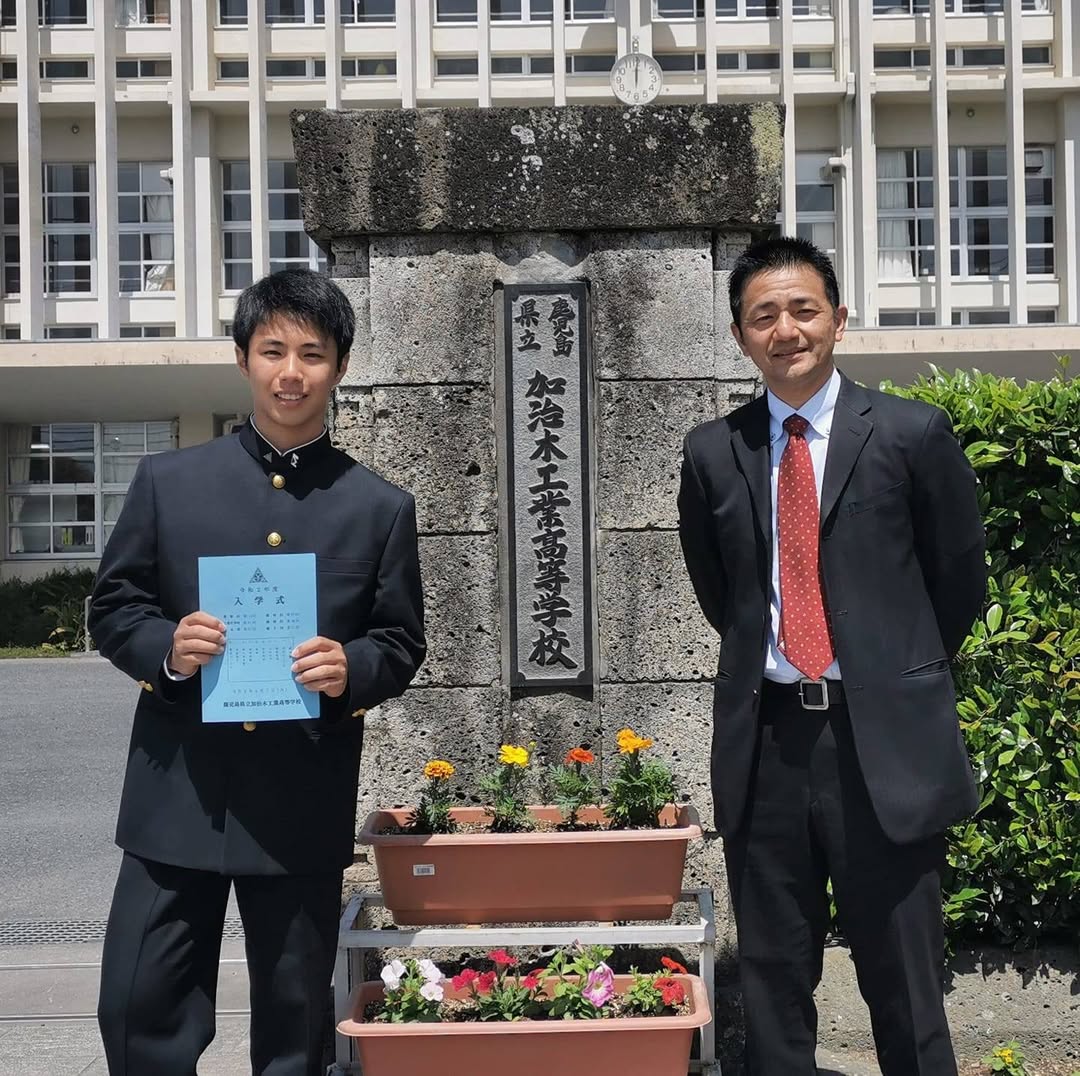
Hirotsugu Imamura at a tea factory with his daughter on her school entrance day in Kagoshima, Japan (今村広嗣・茶工場にて娘の入学式)
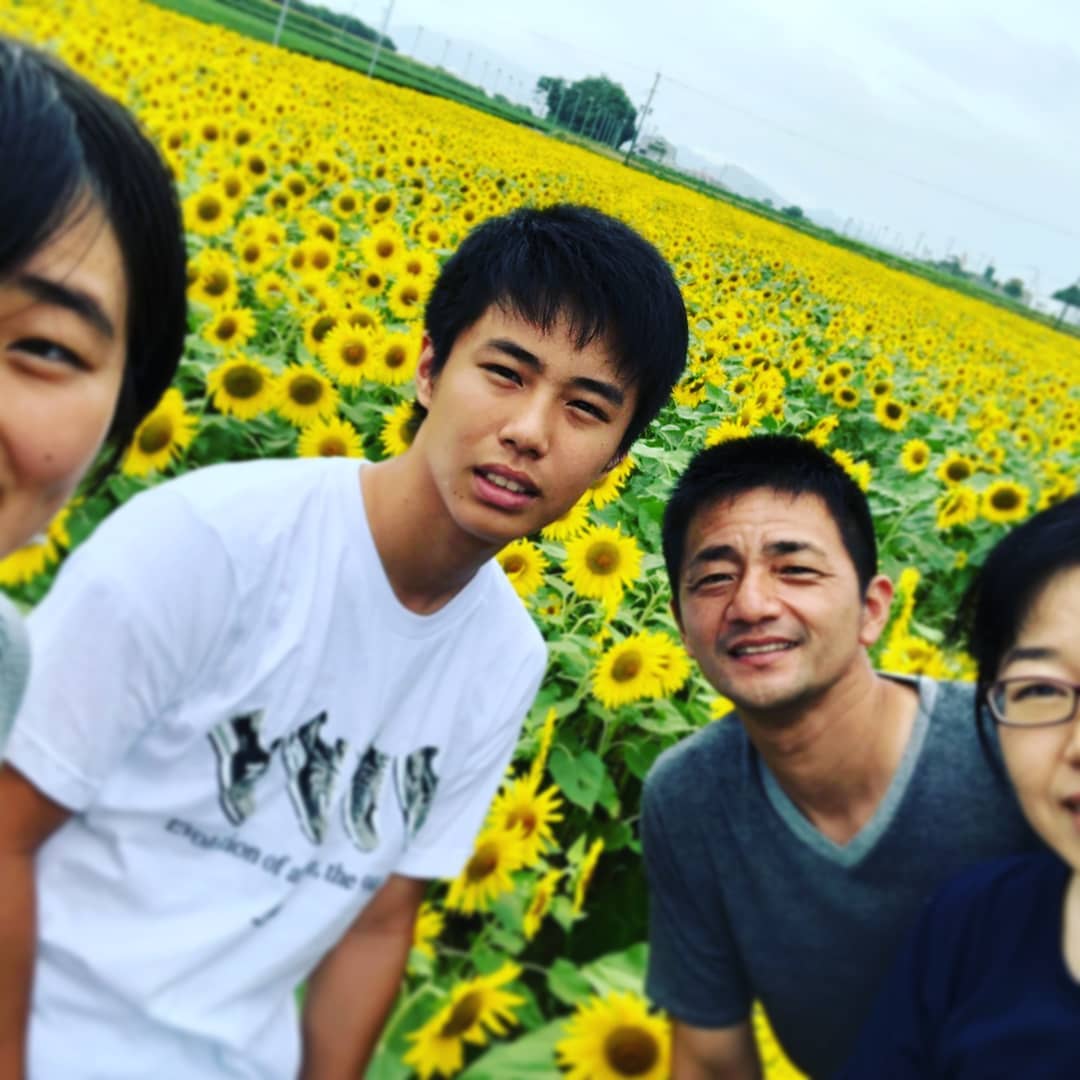
The Imamura family in front of sunflower fields and tea fields in Kirishima, Kagoshima, Japan (今村家・ひまわり畑と茶畑をバックにした家族写真)
Son at his school entrance ceremony in Kagoshima, Japan

In pursuit of the finest cup. That journey continues to this day.

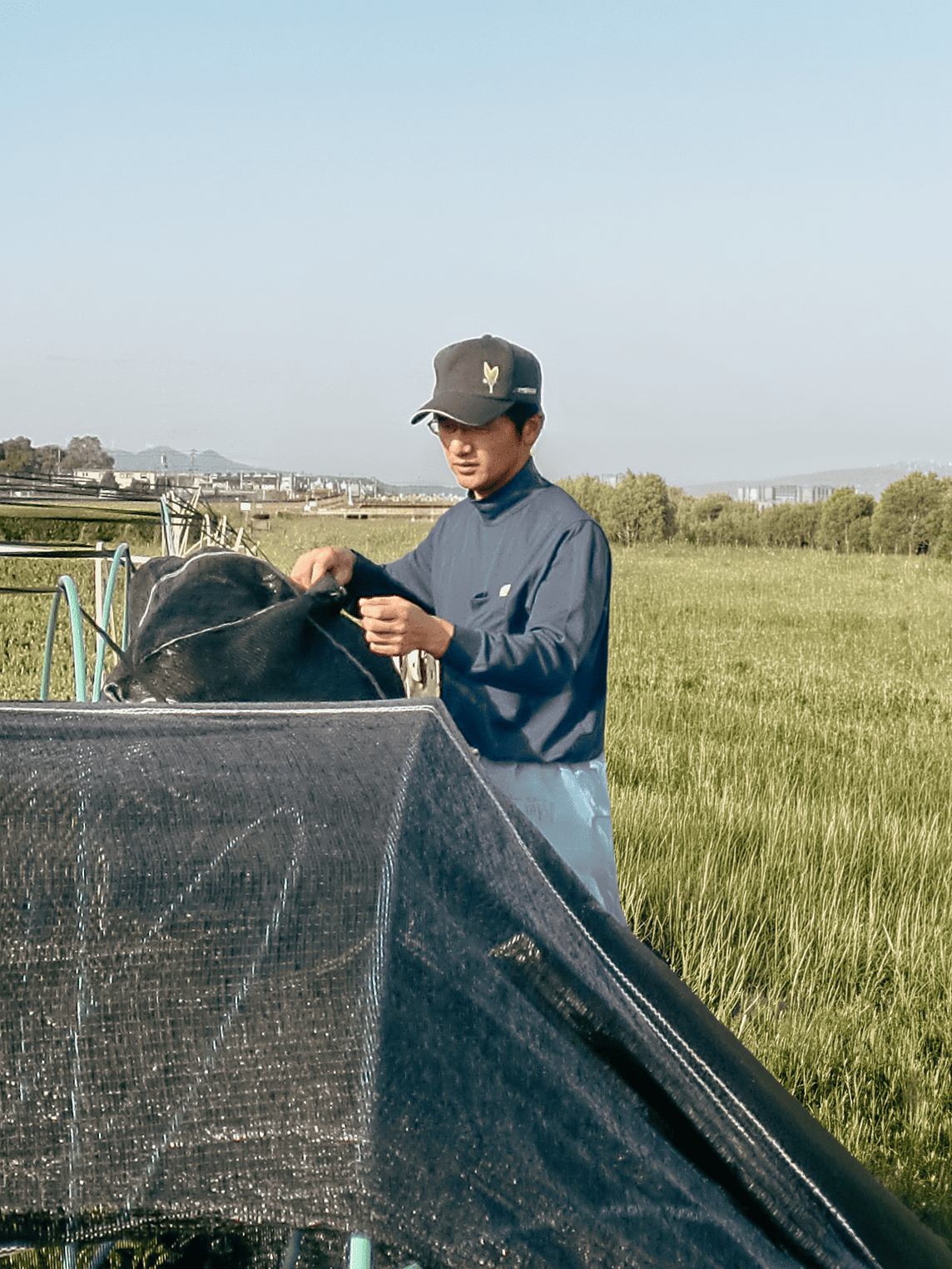
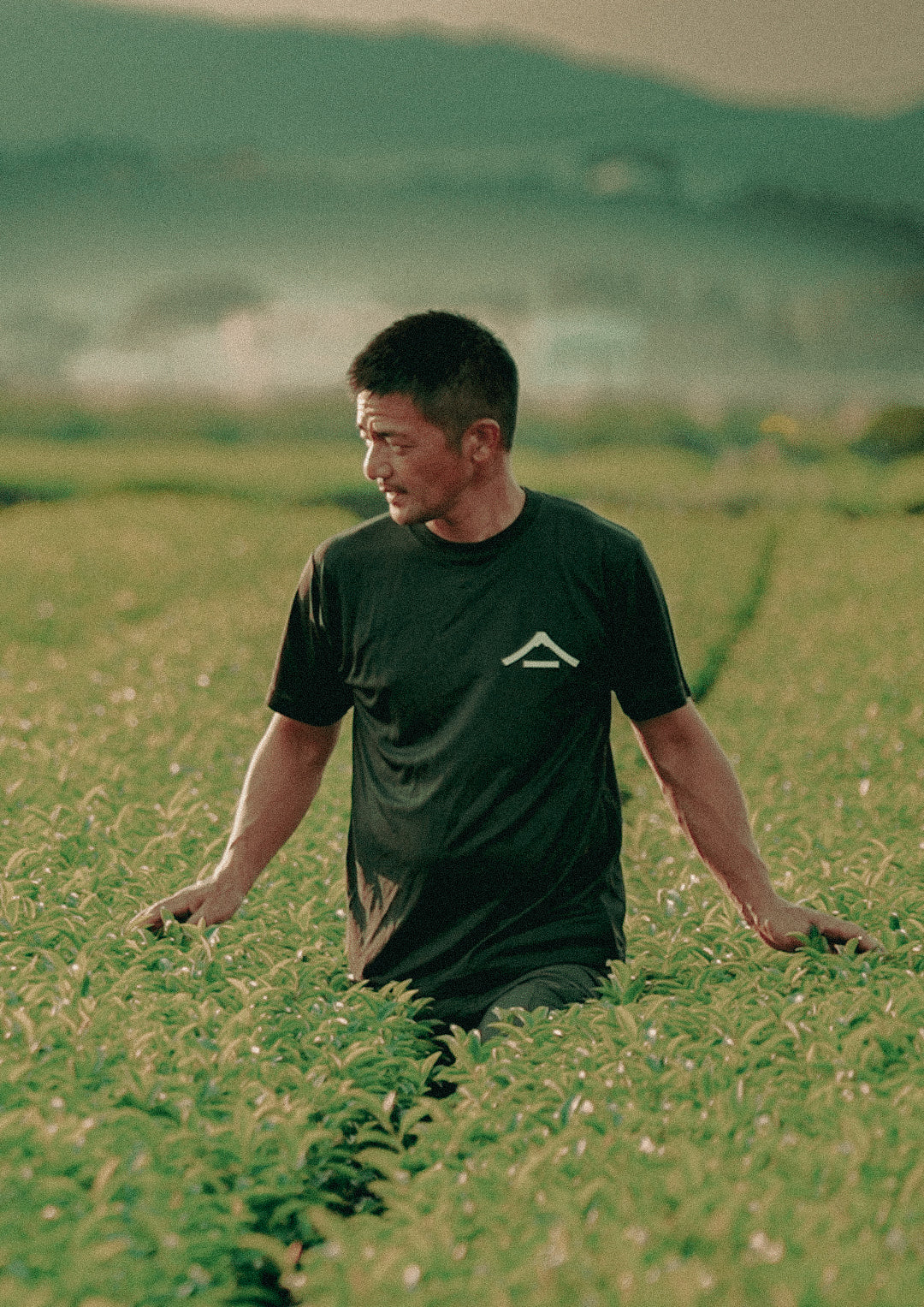
霧島の茶畑に立つ今村茶園の生産者 / Tea grower standing among the tea rows in Kirishima, Kagoshima - 今村茶園

Born February 1, 1977

HIROTSUGU

IMAMURA

Hirotsugu Imamura

Born and raised in Kirishima, Kagoshima. Studied mechanical engineering at the National Institute of Technology, Kagoshima College. After working at a Mitsubishi-affiliated company, he returned home in 2004 — back, of his own will, to the tea plantation he had sworn never to inherit. Carrying on Yoshiharu's long-held wish for pesticide-free cultivation, he has expanded the organically farmed fields. He became representative in 2013. His days of pursuing the memory of a single cup encountered in Shizuoka are still on their way.

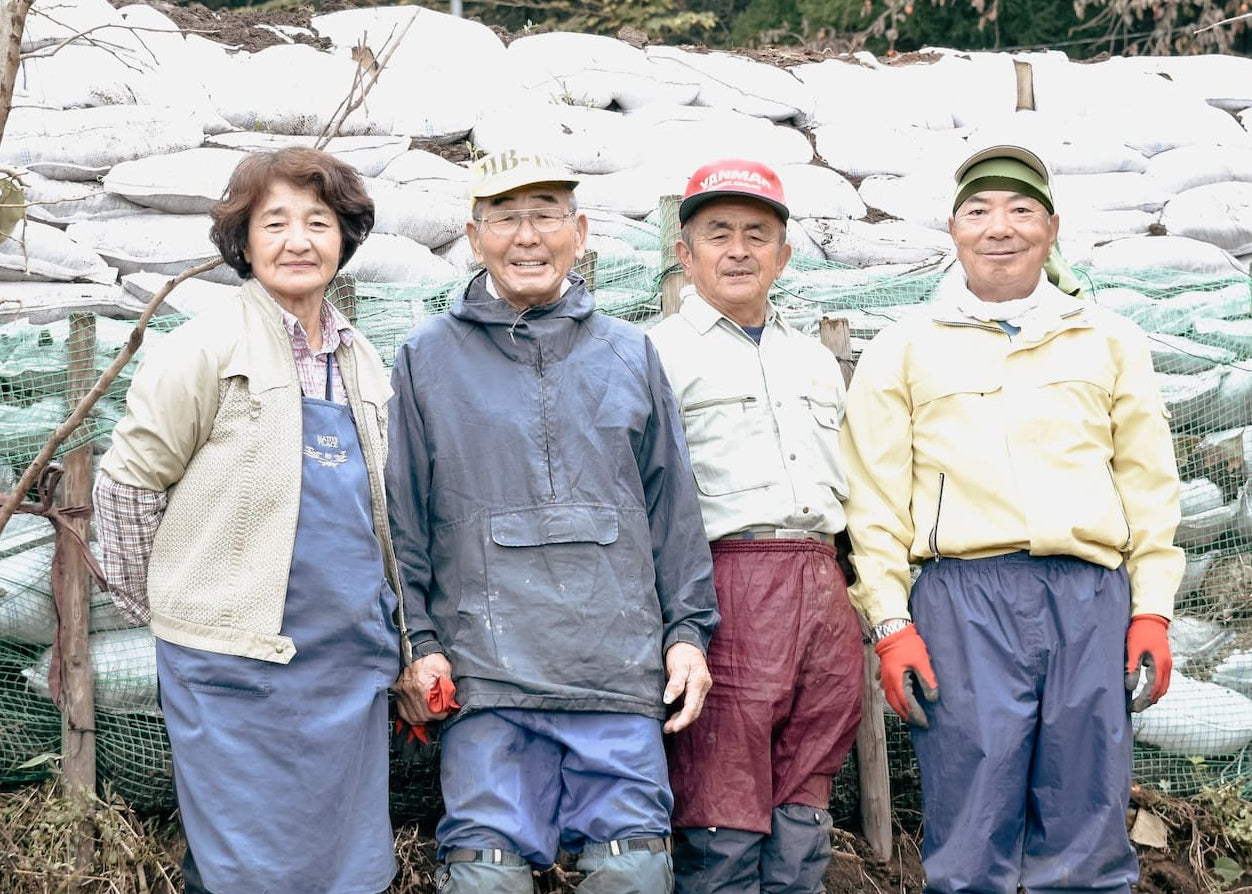
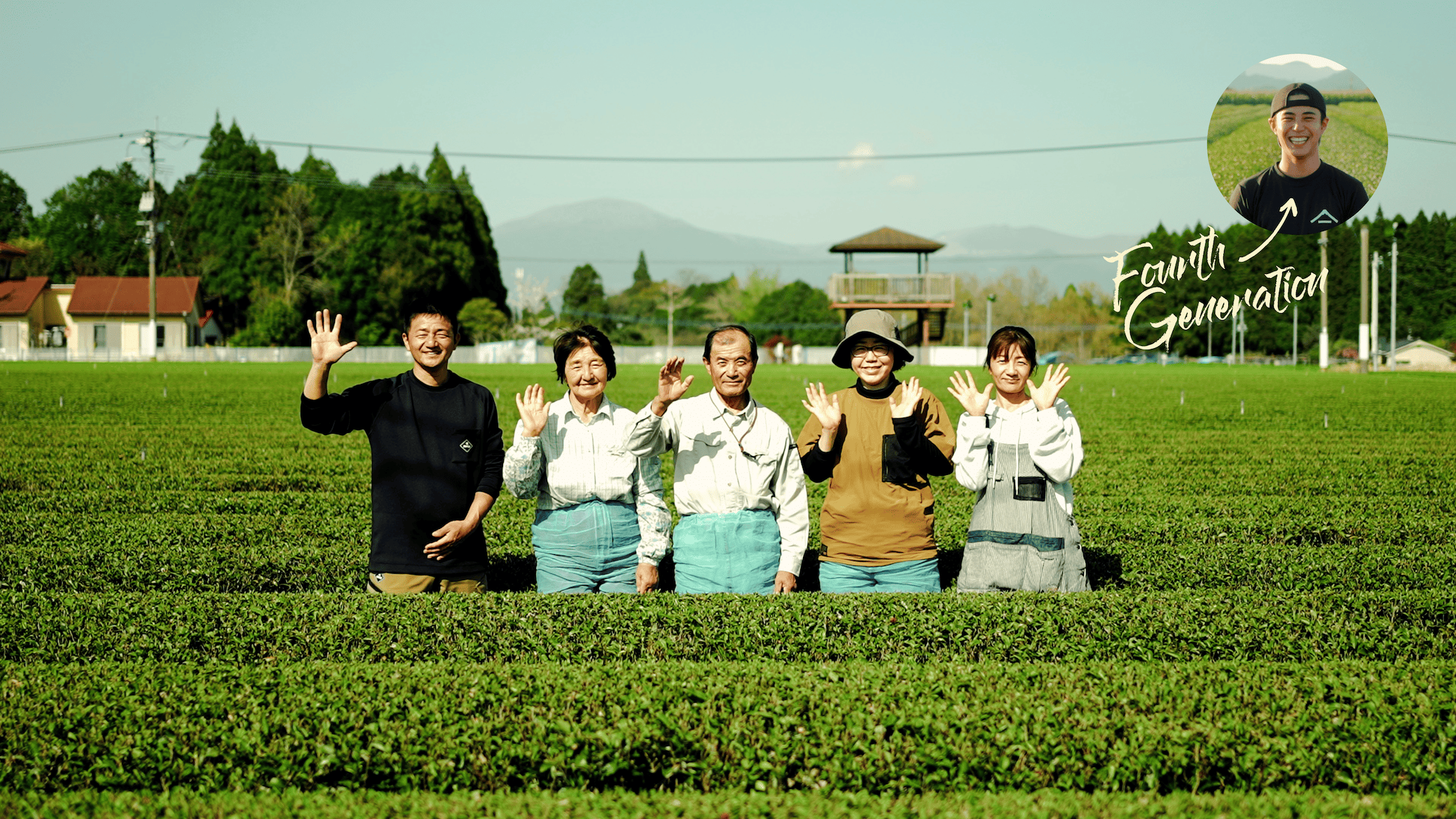
茶畑に立つ今村家の家族と4代目 / The Imamura family in the tea field with the fourth generation - 今村茶園

Maison IMAMURA

IMAMURA TEA

PLANTATION LLC.

Imamura Tea Plantation

Kirishima, Kagoshima. The story of one family and their tea garden, woven across three generations. It began with Hisae, who planted the first tea on this land in the 1940s; Yoshiharu built the factory; and Hirotsugu has expanded the organically farmed fields. Close by stands Kagoshima Airport, forever seeing off people's meetings and partings. Alongside this airport, the plantation has carried the years, delivering the tea of Kirishima.

Brand concept


Our concept, "I want the afterglow of Kirishima to linger on."
comes from a simple wish.

The memories you carry from visiting Kirishima—
the wind of Kagoshima, the warmth of its people,
the feeling of being welcomed by a gentle hometown.

Moments when you think of your family,
your loved ones,
or someone you wish to reach out to.

In those quiet, nostalgic moments,
we hope that a cup of Imamura Tea
will let you feel that afterglow once again.

We are committed to sharing the beauty of Kirishima tea
and the richness of its natural landscape
with people all around the world.

Like the resonance after a bell is struck,
the sound fades, but something still lingers in the air.
We call that yoin — the afterglow.

 
車窓から見える今村茶園の建物と茶畑 / View of the Imamura Chaen building and tea fields from a car window - 今村茶園

About This Project

Company

IMAMURA TEA PLANTATION
Founded 1947

Address

655-15 Karegawa, Hayato-cho, Kirishima-shi, Kagoshima 899-5113 Japan

Contact Information

Tel 0995-43-9162
Fax 0995-43-9260

Hours of Operation

10:00 – 17:00
Closed on Sundays and National Holidays

Tea Master:Hirotsugu Imamura

When I face the craft of tea, I always hold on to a sense of “freedom.”I listen to the voice of nature, break away from fixed forms, and quietly explore the possibilities within each cup.

Producer:Yoshihiro Shimazu

Tea takes me places I never expected—beyond landscapes, beyond time, and sometimes even beyond myself.It keeps leading me forward, and I keep following.

Branding:I.T.P.entertainment

We deliver emotion through stories and tea, crafting moments that stay with you.

Certifications & Qualifications

JAS Organic farm production process manager, cert. no. 1097
JAS Organic processed food production process manager, cert. no. 1108
ASIAGAP Certification Number: MIC-S-A460000095

Imamura Tea Plantation – ASIAGAP Certified Farm, Reg.A460000095, Kirishima Kagoshima Japan
Imamura Tea Plantation – Organic JAS Certified by Kagoshima Organic Agriculture Association, Kirishima
Imamura Tea Plantation – Kagoshima Prefectural Tea Association Chairman's Award, Kirishima
Imamura Tea Plantation – Kyushu Agriculture Director's Award, Kagoshima Prefectural Tea Evaluation
 

PRESENTED BY

IMAMURA TEA PLANTATION

© all rights reserved

I want the afterglow of Kirishima to linger on.