

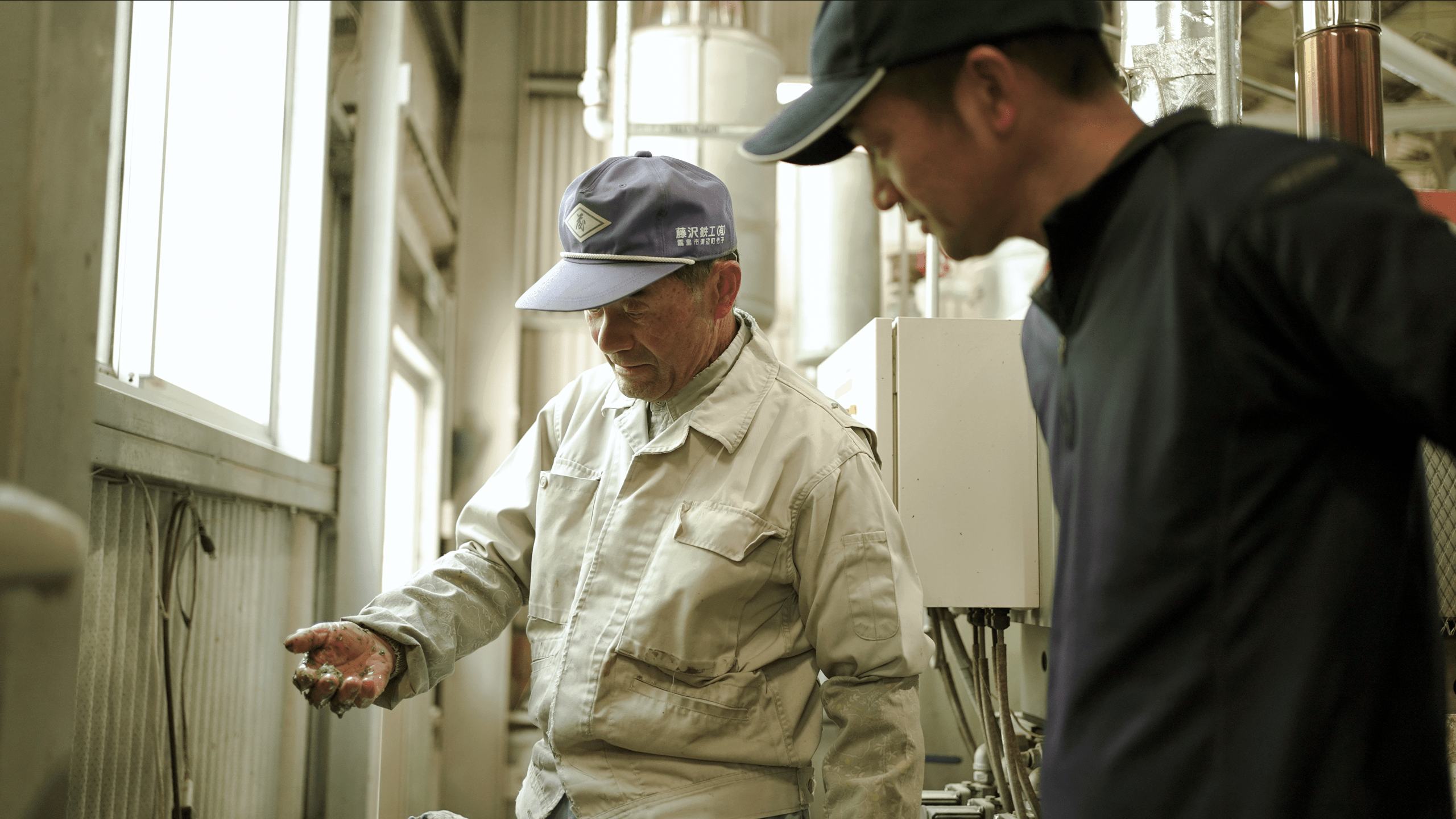
In making Kirishima sencha, there is one step that all but decides the direction of the tea's flavor: steaming. Fresh leaves are exposed to steam for roughly 30 seconds in standard sencha. Yet a difference of just a few dozen seconds produces teas of completely different character — lightly steamed asamushi and deeply steamed fukamushi. In our factory, judging the steam is one of the most nerve-wracking moments of the day.
What Steaming Does: The First Gate That Stops Oxidation
The moment a tea leaf is picked, oxidation begins. Left alone, the leaf browns and drifts toward black or oolong tea. Japanese green tea locks in its fresh green color and leafy aroma by stopping this oxidation quickly with heat. That first gate is the steaming step, which halts the oxidizing enzymes and sets the foundation of taste, aroma, and color.
Asamushi: A Clear Liquor and a Rising Aroma
Lightly steamed tea keeps its leaf shape intact. Its liquor is a clear, golden green. The aroma lifts easily, with a pleasant, structured astringency and a clean finish. Because the leaf tissue is largely unbroken, the flavor releases slowly — enjoying how each infusion changes is part of asamushi's charm.
Fukamushi: A Deep Green and a Mellow Sweetness
With longer steaming, the leaves become finer, with more powdery particles. Their contents dissolve readily into the water, giving a rich, deep-green liquor. Astringency softens into a mellow, sweet taste. Fine leaf particles in the cup give fukamushi its characteristic full, slightly cloudy body. It brews quickly and fully, which also makes it well suited to everyday drinking.
How We Steam: Rotary Drum and Belt Conveyor
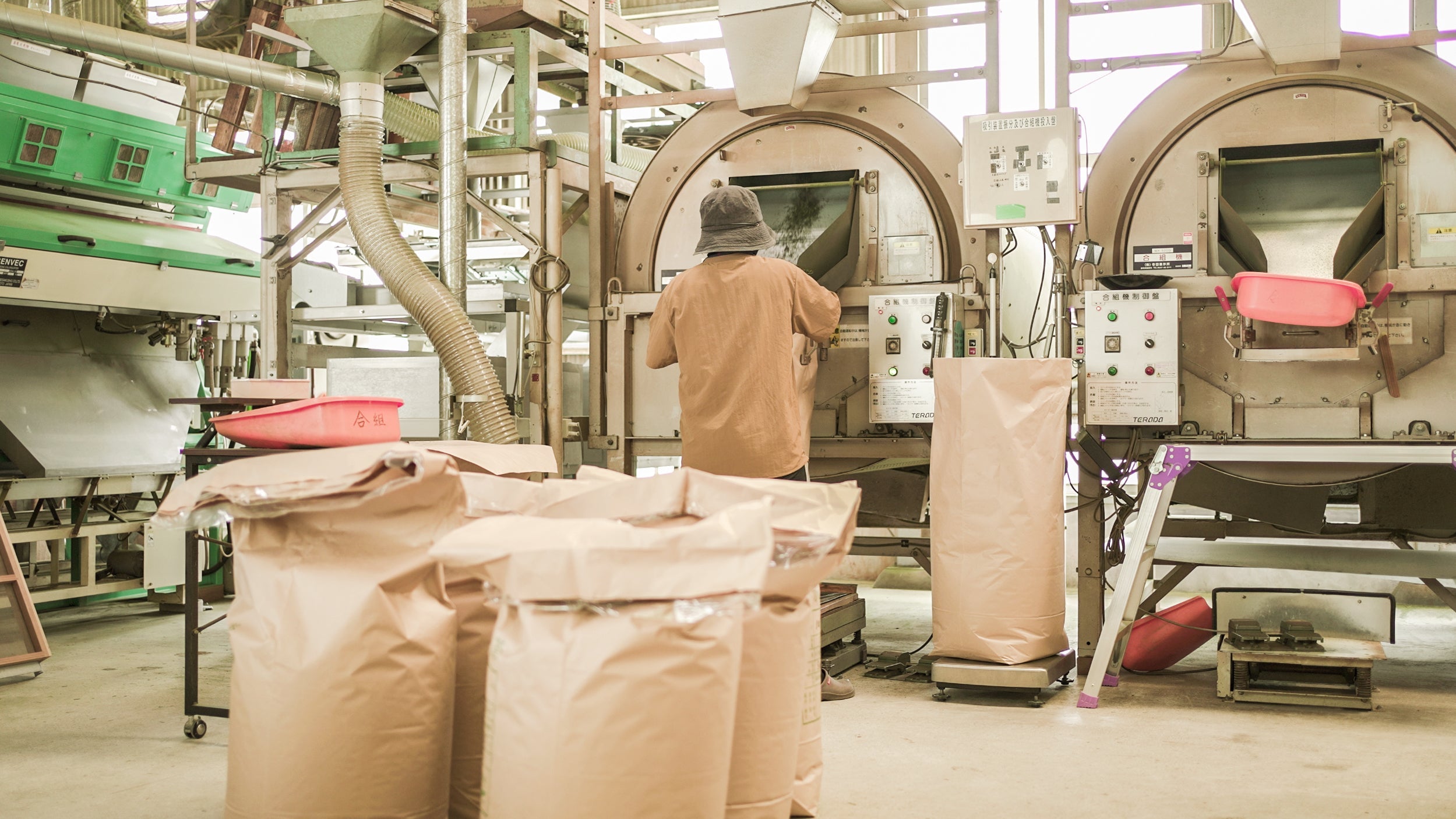
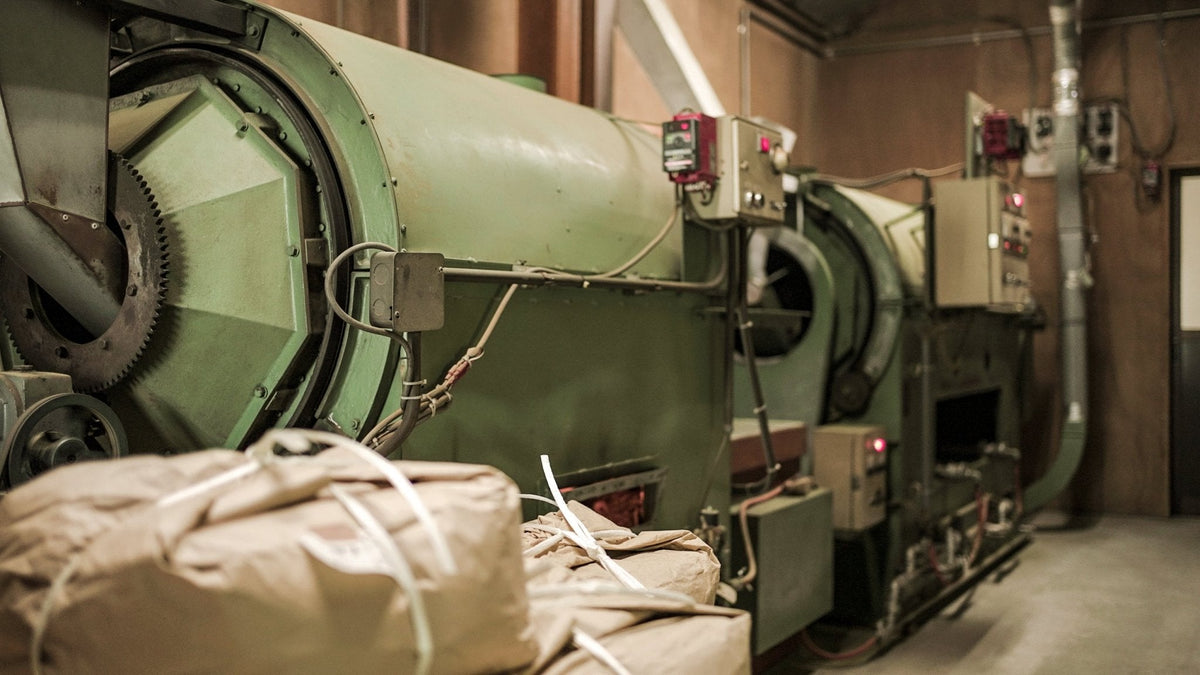
At Imamura Tea Plantation we use two steaming methods, rotary-drum and belt-conveyor. In the belt-conveyor method, leaves rest quietly on a mesh conveyor while steam passes through them, allowing deeper steaming without breaking the leaf. Watching each day's fresh leaves — their moisture, thickness, and the field they grew in — we adjust the steaming batch by batch. Those accumulated seconds of judgment decide the cup in your hands.
The full tea-making process, beginning with steaming, is introduced in detail on The Making of Tea. You can taste the character of each steaming style across our Kirishima tea lineup.
Frequently Asked Questions
Q. Should fukamushi tea be brewed differently from regular sencha?
A. Because the leaves are finer and release flavor quickly, a slightly shorter steeping time works best. See our guide on how to brew sencha.
Q. Which is superior, asamushi or fukamushi?
A. Neither — they are simply different characters. If you love aroma, choose asamushi; if you prefer a mellow, rounded cup, choose fukamushi. Your own taste is the best guide.
Share:
The Story of the Yamatomidori Cultivar: A Native Variety Still Living in Kirishima After 80 Years
The Final Firing: Where Aroma Is Born at 80–130°C, Explained by a Kirishima Tea Farm