

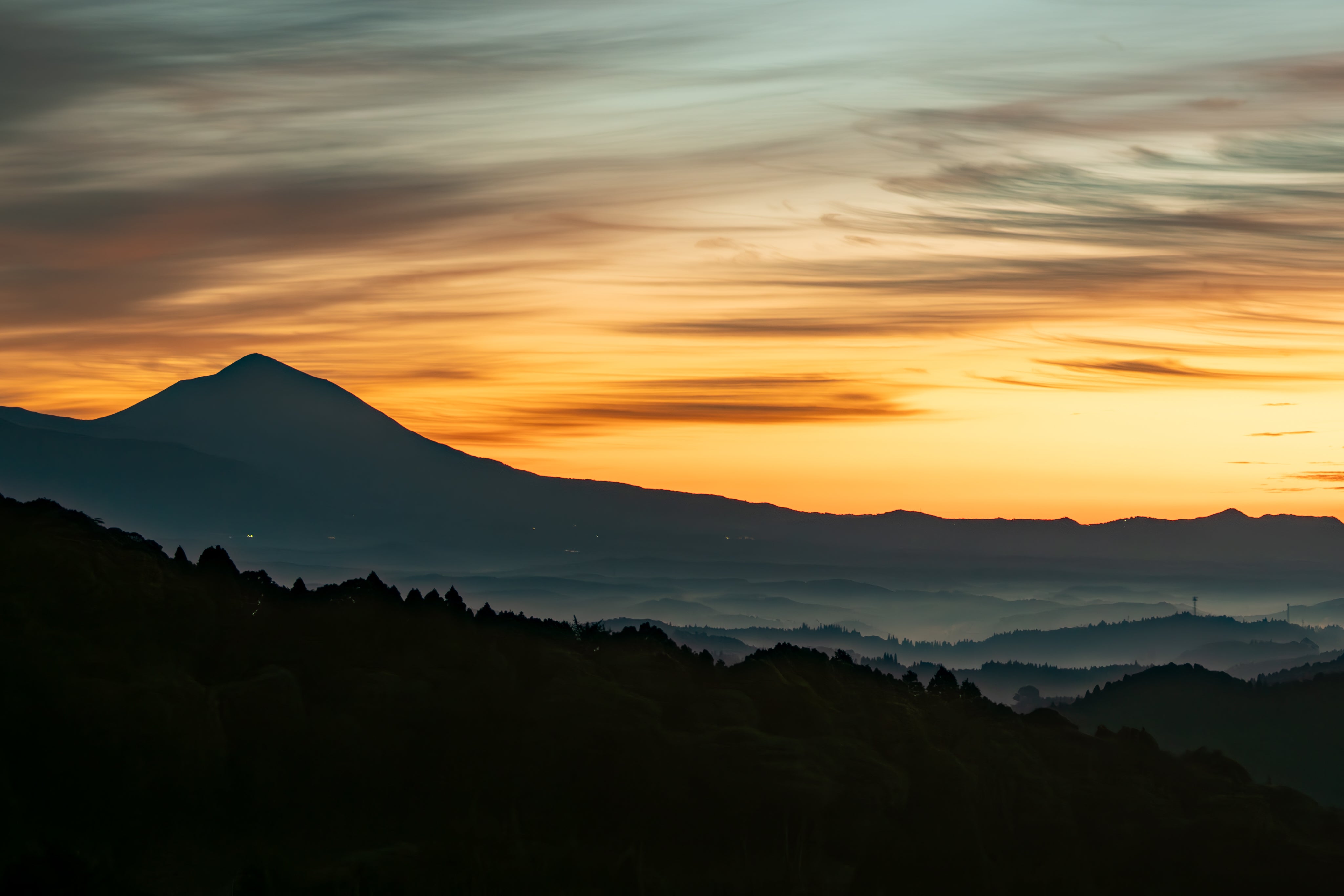
You may have heard the name "Kirishima tea," but few people outside Japan know what kind of tea it actually is. In this article, Imamura Tea Plantation — a family farm that has been growing tea in Kirishima, Kagoshima Prefecture founded in 1947 — explains what Kirishima tea is: its origin, flavor profile, relationship to Kagoshima tea, cultivars, and how to brew it well.
What is Kirishima Tea? (Definition and Region)
Kirishima tea is the name for Japanese tea cultivated and processed in and around Kirishima City, in the foothills of the Kirishima mountain range in Kagoshima Prefecture. Kirishima lies in the northeastern part of Kagoshima, and true to its name — "kiri" means mist — it is known for the mist that settles over the area in the mornings and evenings.
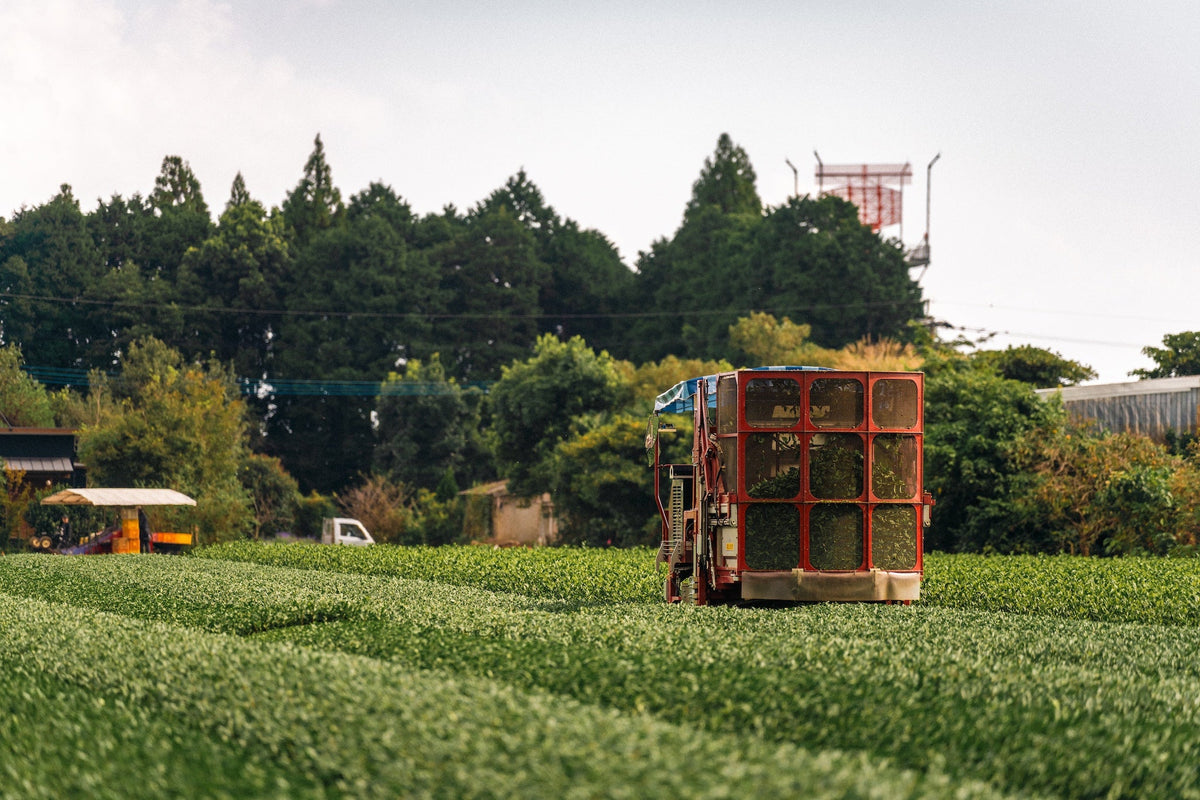
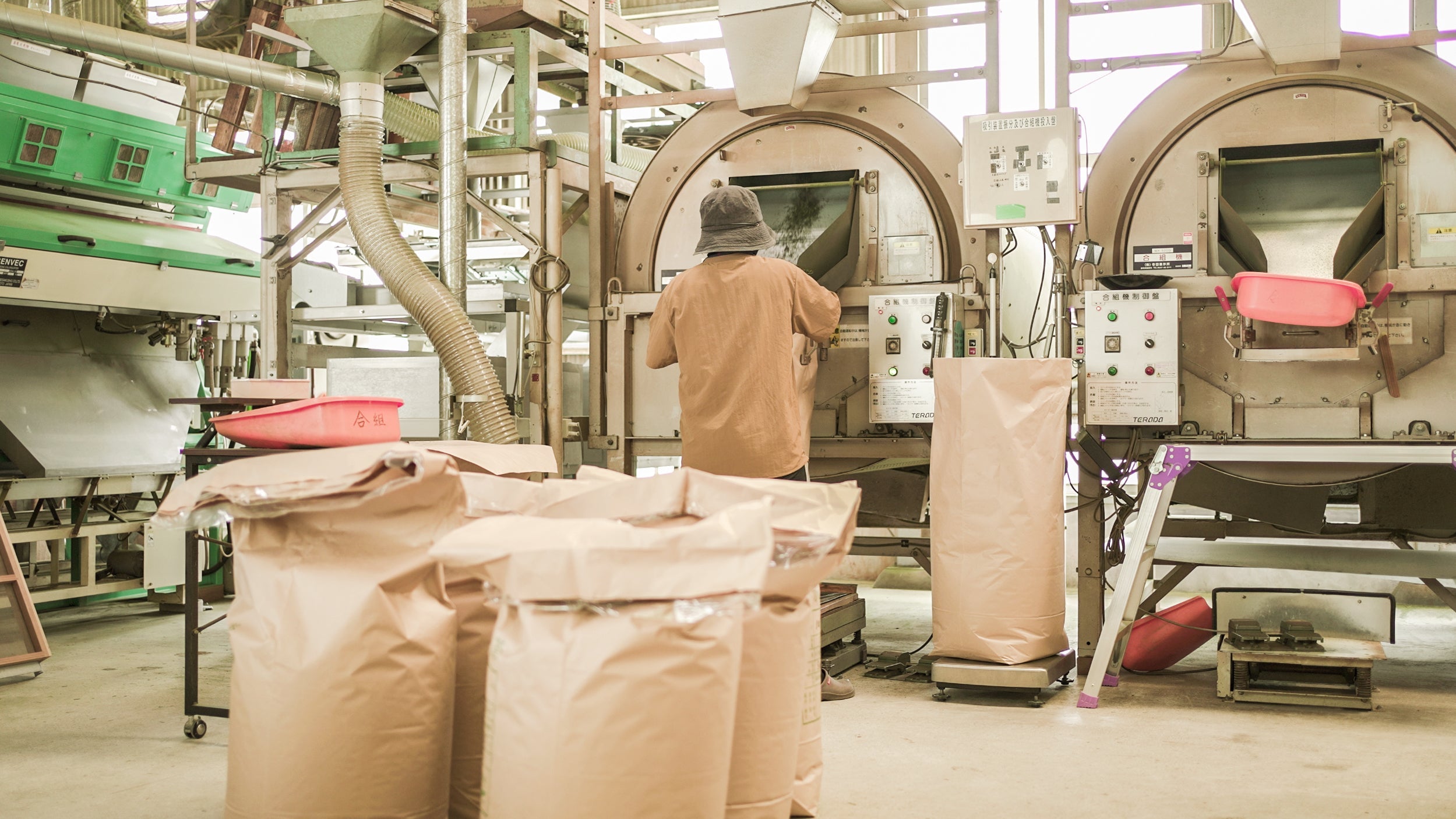
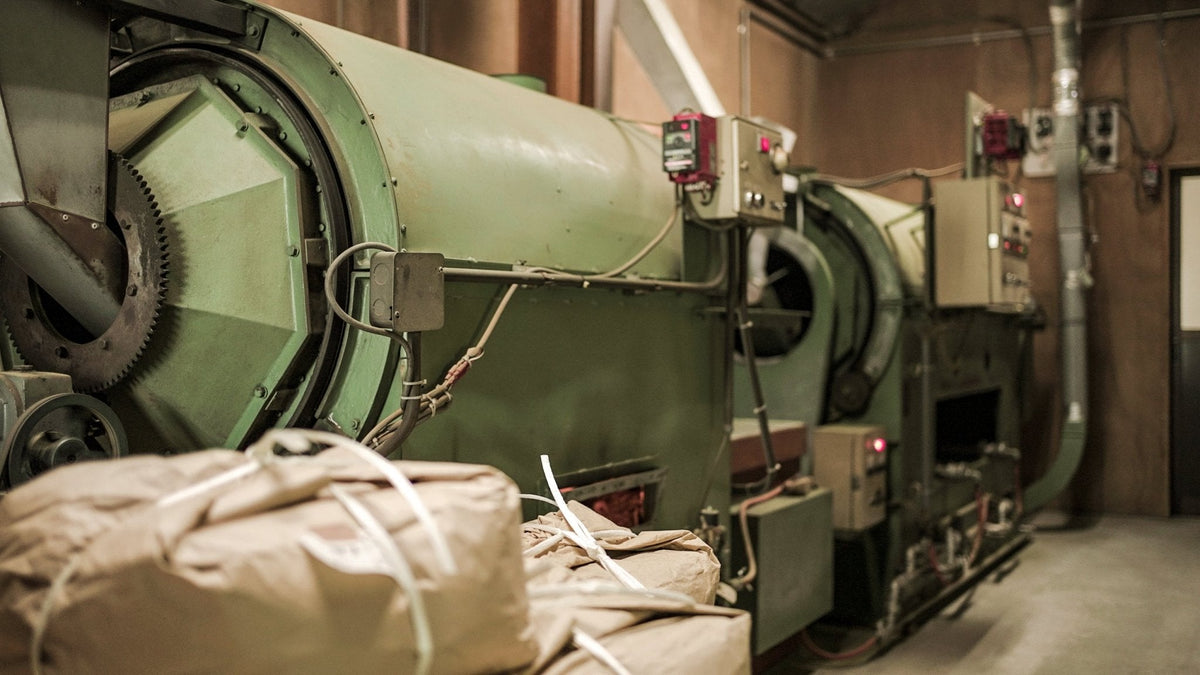
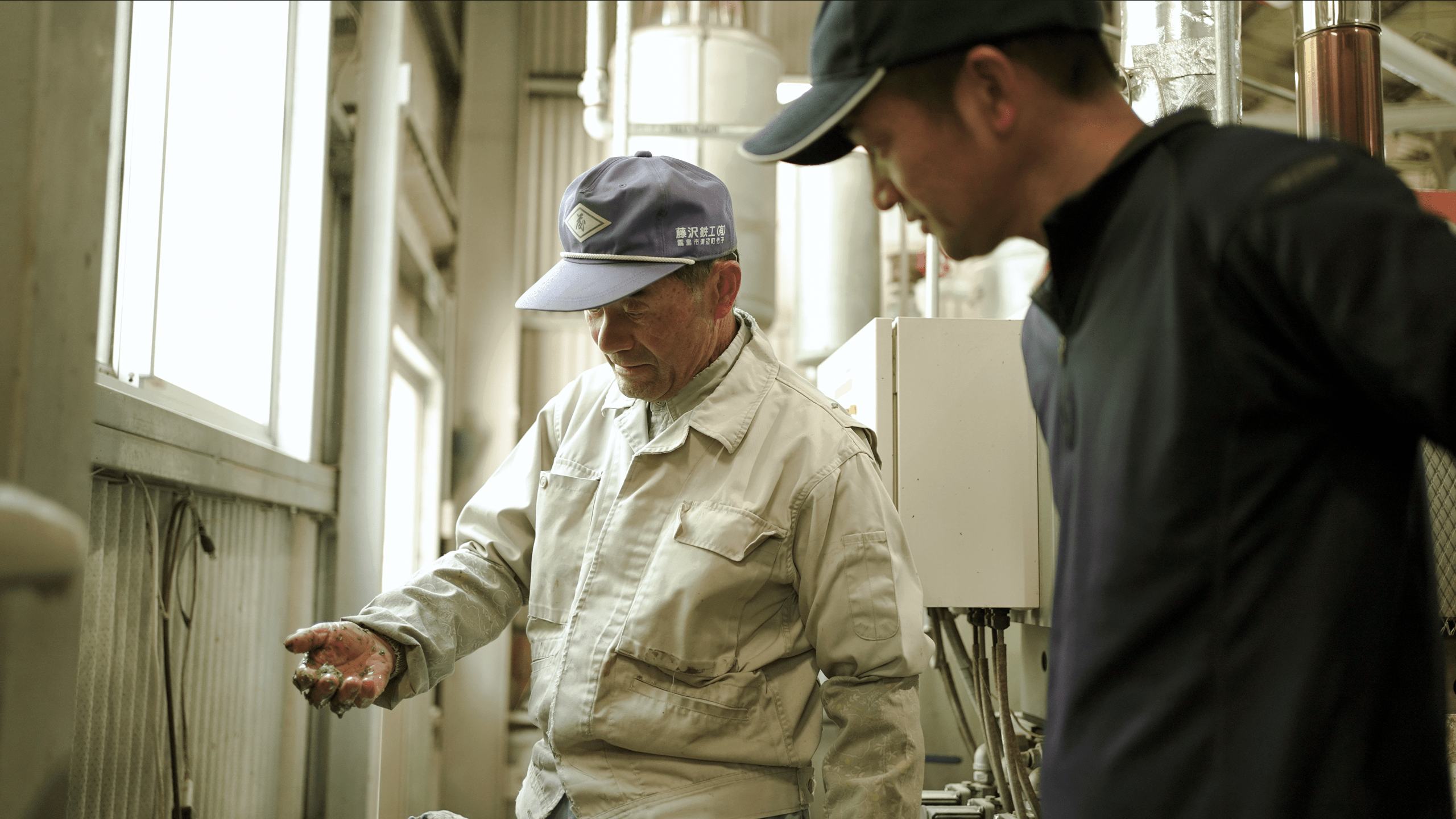
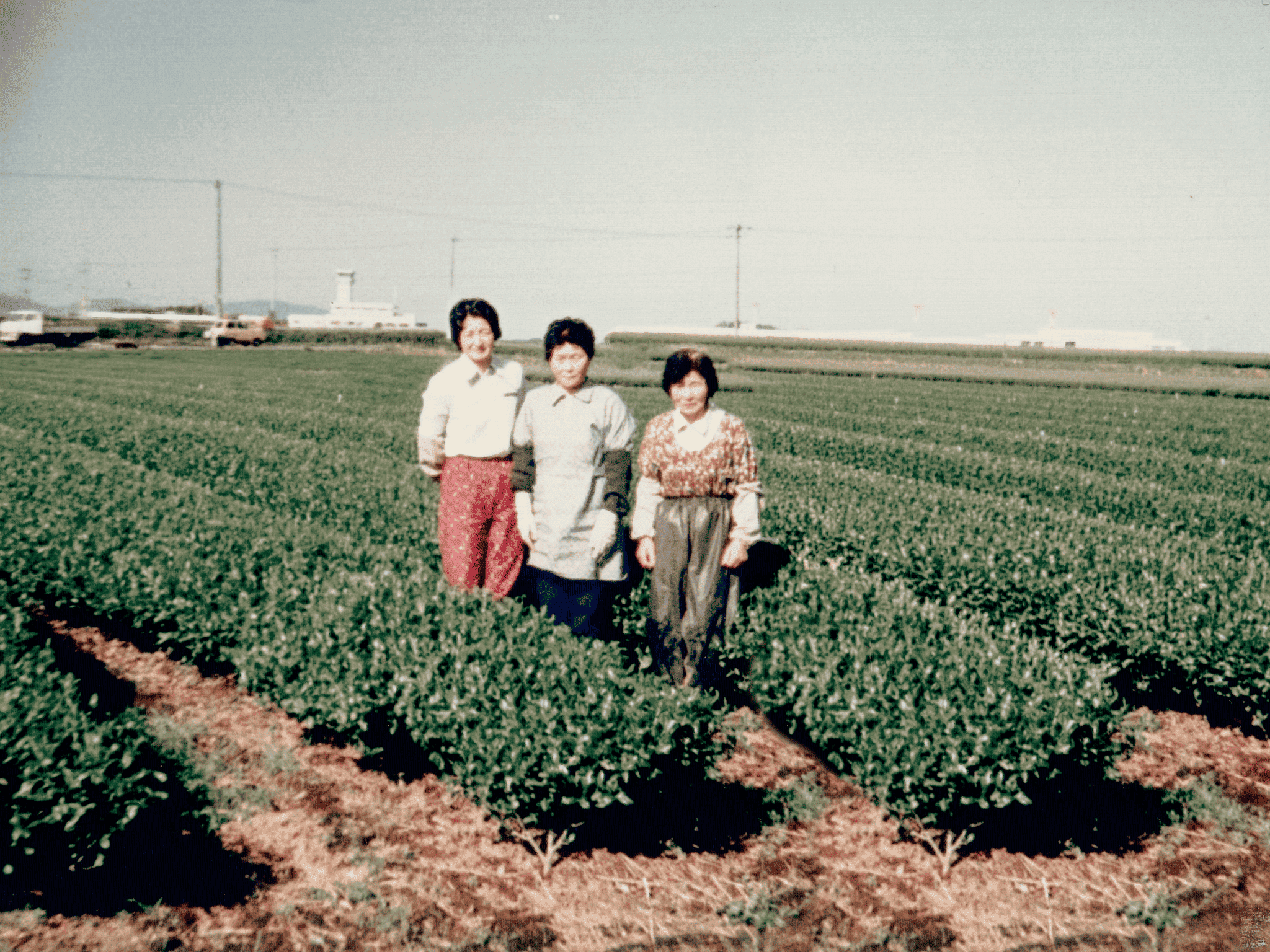
Tea fields here are scattered across mountain slopes and highlands. Compared with other tea areas in Kagoshima, where large flat plantations are common, Kirishima tea grows in a distinctly mountainous environment. Imamura Tea Plantation is one such farm: three generations have grown tea in the hills of Karekigawa, Hayato-cho, Kirishima City, handling everything from cultivation to processing and finishing on the farm itself.
How Kirishima's Climate and Soil Shape the Flavor
The character of Kirishima tea comes from the natural environment unique to this area.
- Volcanic soil: The volcanic soil at the foot of the Kirishima range drains well and lets tea roots grow deep. At Imamura Tea Plantation, compost made by fermenting rice straw, fallen leaves, and rice husks with the help of microorganisms has been returned to the soil for many years, building up the strength of the soil itself.
- Mist and humidity: The morning and evening mist softens direct sunlight and keeps the leaves from drying out as they grow. With gentler sunlight, the compounds responsible for astringency do not build up excessively, so the leaves tend to retain more umami.
- Mountain temperature swings: The large difference between daytime and nighttime temperatures in the mountains makes the tea grow slowly — and slowly grown buds concentrate more flavor and aroma.
Kirishima Tea and Kagoshima Tea — One Region Within a Larger Whole
Kagoshima Prefecture is one of Japan's leading tea-producing regions, and tea grown anywhere in the prefecture is collectively called "Kagoshima tea." Within the prefecture there are several distinct growing areas, including Chiran, and Kirishima tea is one of them — the tea grown in the mountainous Kirishima area.
In other words, Kagoshima tea and Kirishima tea are not different kinds of tea: Kirishima tea is a regional name within the larger category of Kagoshima tea. In a prefecture where warm, flat plantations are the norm, Kirishima — high in elevation and rich in mist — stands out as a mountain-tea region with a character all its own.
The Flavor of Kirishima Tea
Three qualities are most often mentioned about Kirishima tea, especially its sencha.
- Rich umami: At Imamura Tea Plantation, the fields are shaded for a set period before harvest. Softening the direct sunlight keeps astringency in check and lets the leaves store up umami.
- A clear, mountain-tea aroma: Leaves that grow slowly amid mist and cool nights develop a clean, clear fragrance.
- A long finish: Sweetness and umami linger quietly after each sip. Imamura Tea Plantation makes its tea with the wish to "hold on to the lingering resonance of Kirishima a little longer" — this finish is at the heart of that idea.
Main Cultivars of Kirishima Tea
"Kirishima tea" is made from a range of tea cultivars. Here are the ones used in Imamura Tea Plantation's own teas.
- Yabukita: The standard cultivar grown throughout Japan, with a well-balanced flavor and aroma that forms the backbone of sencha.
- Saemidori: Known for its vivid green liquor and refined sweetness and umami.
- Tsuyuhikari: A cultivar with mellow umami and a bright, expressive aroma.
- Yamatomidori: A cultivar grown in Kirishima since the days of Imamura Tea Plantation's first generation, now carried on as an organic black tea.
For the premium sencha and organic sencha, these cultivars are blended (a process called gogumi) to balance the flavor in a single cup.
Tips for Brewing
The key to drawing out the umami of Kirishima tea is to lower the water temperature slightly and brew without rushing.
- Pour boiled water into a cooling vessel or the teacups first, letting it cool to about 70–80°C (158–176°F) before it touches the leaves
- Use about 2–3 g of leaves per person (roughly one teaspoon)
- Steep for about one minute; for the second infusion, use slightly hotter water and a shorter steep
- Store the leaves in the refrigerator or freezer, and finish them soon after opening
Brewing instructions are also printed on the back of every Imamura Tea Plantation package, so please refer to them as well.
Kirishima Tea from Imamura Tea Plantation
Since its founding in 1947, Imamura Tea Plantation has grown tea in Kirishima across three generations. Today the farm holds JAS Organic and ASIAGAP certifications, growing tea without synthetic pesticides and relying on soil nurtured with fermented compost.
- Kirishima Tea | Premium Sencha: The farm's signature sencha, a blend of Saemidori, Tsuyuhikari, and Yabukita with deep umami.
- Kirisato | Organic Sencha: A JAS-certified organic sencha, known for its gentle flavor and long finish.
- Kirishima Tea Collection: Browse the full lineup of Kirishima teas, including hojicha and tea bags.
We hope you will enjoy a cup of tea raised by Kirishima's mist and volcanic soil as part of your everyday life.
Share:
How to Brew Sencha: Temperature, Timing and Tips from Our Tea Farm in Kirishima
What Is Shade-Grown Tea? The Craft of Blocking Light to Build Umami in Gyokuro and Matcha