

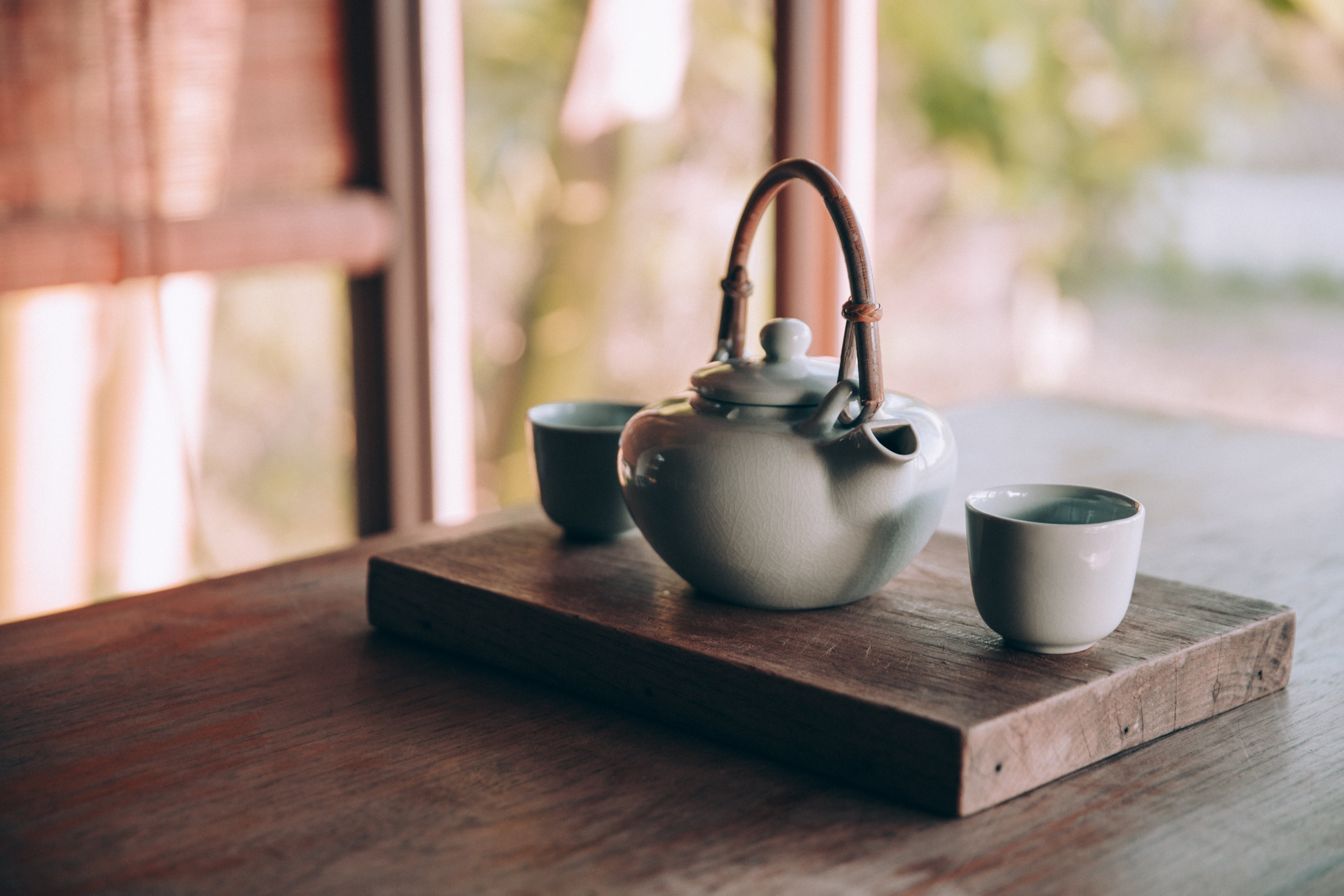
To drink the tea you carefully chose down to the very last cup, storage matters. Green teas, including Kirishima tea, are highly delicate, and how you store them greatly changes both aroma and flavor. Here, from a grower's point of view, we share how to store tea properly at home.
Green Tea's Four Great Enemies
There are broadly four causes that reduce tea's freshness. Avoiding these four is the foundation of keeping it delicious.
- Oxidation: Contact with air oxidizes the compounds, degrading color and aroma
- Humidity: Tea leaves readily absorb moisture, which causes flavor to fade
- Odor transfer: Tea leaves easily absorb surrounding smells; keep them away from anything strongly scented
- Light and heat: Direct sunlight and high temperatures accelerate changes in the compounds
Refrigerate Unopened; Freeze for Long-Term Storage
Unopened tea leaves keep well in the refrigerator. Holding them at low temperature slows oxidation and compositional change. For even longer storage, the freezer is suitable. But with both freezing and refrigeration, there is an important precaution.
That is preventing condensation. If you open chilled leaves right after taking them from the fridge or freezer, moisture in the air condenses on the cold leaves and causes dampness. Always return refrigerated or frozen unopened tea to room temperature before opening. Wait until the surface of the bag reaches room temperature—this alone greatly reduces humidity-related deterioration.
Once Opened, Seal at Room Temperature and Drink It Soon
Once opened, rather than returning tea to the fridge or freezer, we recommend sealing it at room temperature and drinking it up before long. This is because each opening and closing risks condensation and odor transfer. Transfer it to a tea caddy or an airtight container and keep it in a cool place away from light. After opening, ideally enjoy it within about one month, while the aroma is still good.
Differences for Matcha and Hojicha
Even among teas, the storage points shift a little by type. Matcha is a powder with a large surface area and is especially susceptible to oxidation and light, so after opening it is best kept sealed in the refrigerator and used as quickly as possible. Hojicha, on the other hand, is relatively stable thanks to its low moisture from roasting, but its fragrant aroma flies off easily, so again we recommend sealing it and enjoying it soon.
Enjoying Kirishima Tea to the Last
Storing tea well is also a way of carrying the care we put into making it all the way through to your last cup. Together with a good brewing method, we hope you will enjoy your daily tea time. You can see our Kirishima teas in the Kirishima Tea collection, and read about the land in What Is Kirishima Tea.
Frequently Asked Questions
Q. Can I put opened tea back in the refrigerator?
We don't recommend it. Each opening and closing invites condensation, which actually causes dampness. After opening, seal it at room temperature and drink it up soon.
Q. Doesn't frozen tea lose flavor?
If it is unopened and you return it to room temperature before opening as condensation protection, it keeps its flavor well. The key is to mind the temperature difference at the moment of opening, more than the freezing itself.

Share:
The Mythology of Kirishima and Tea: Kirishima Tea Grown on the Land of the Heavenly Descent
お盆期間中の発送について