Presented By

IMAMURA TEA PLANTATION

© all rights reserved

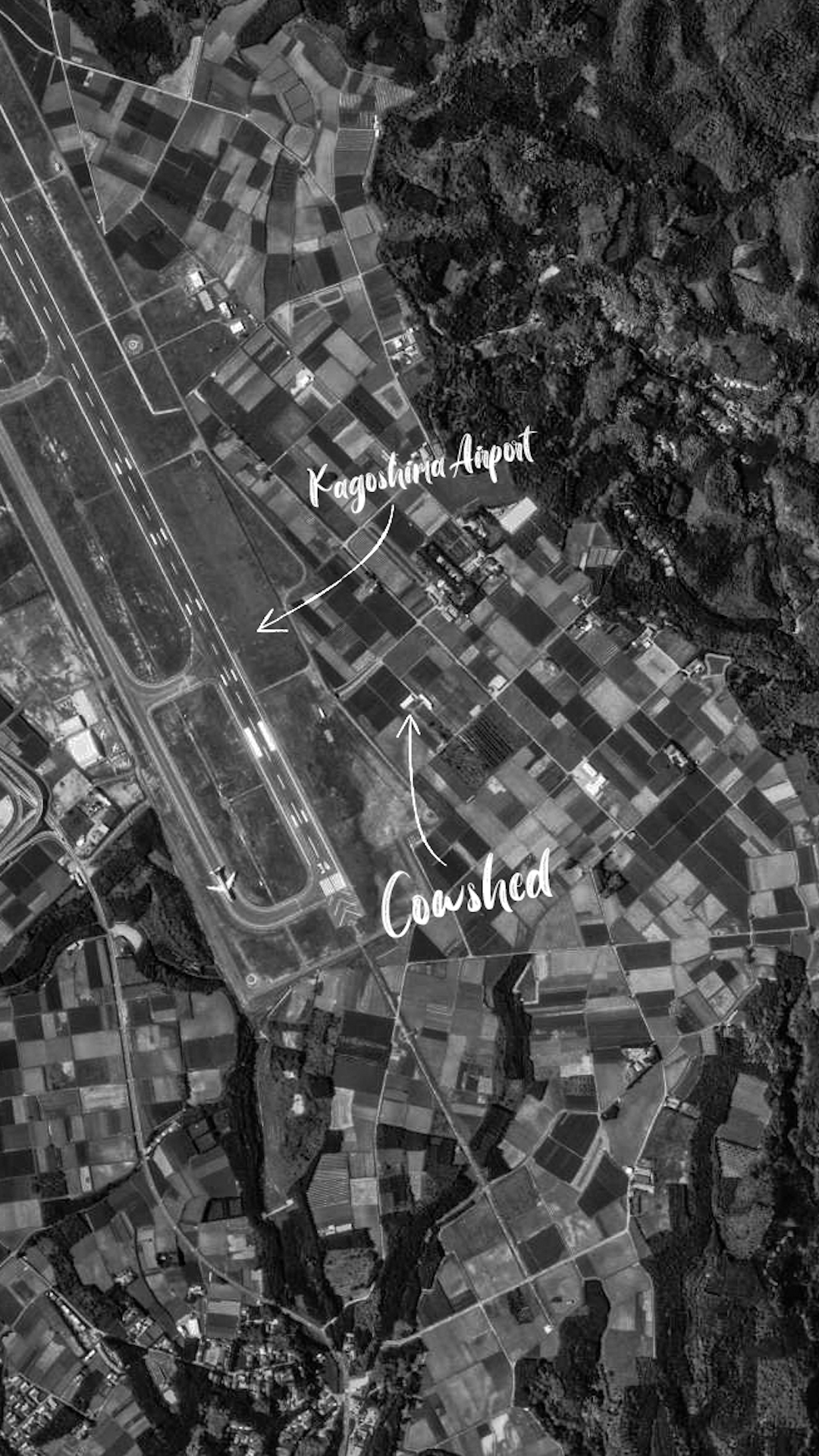
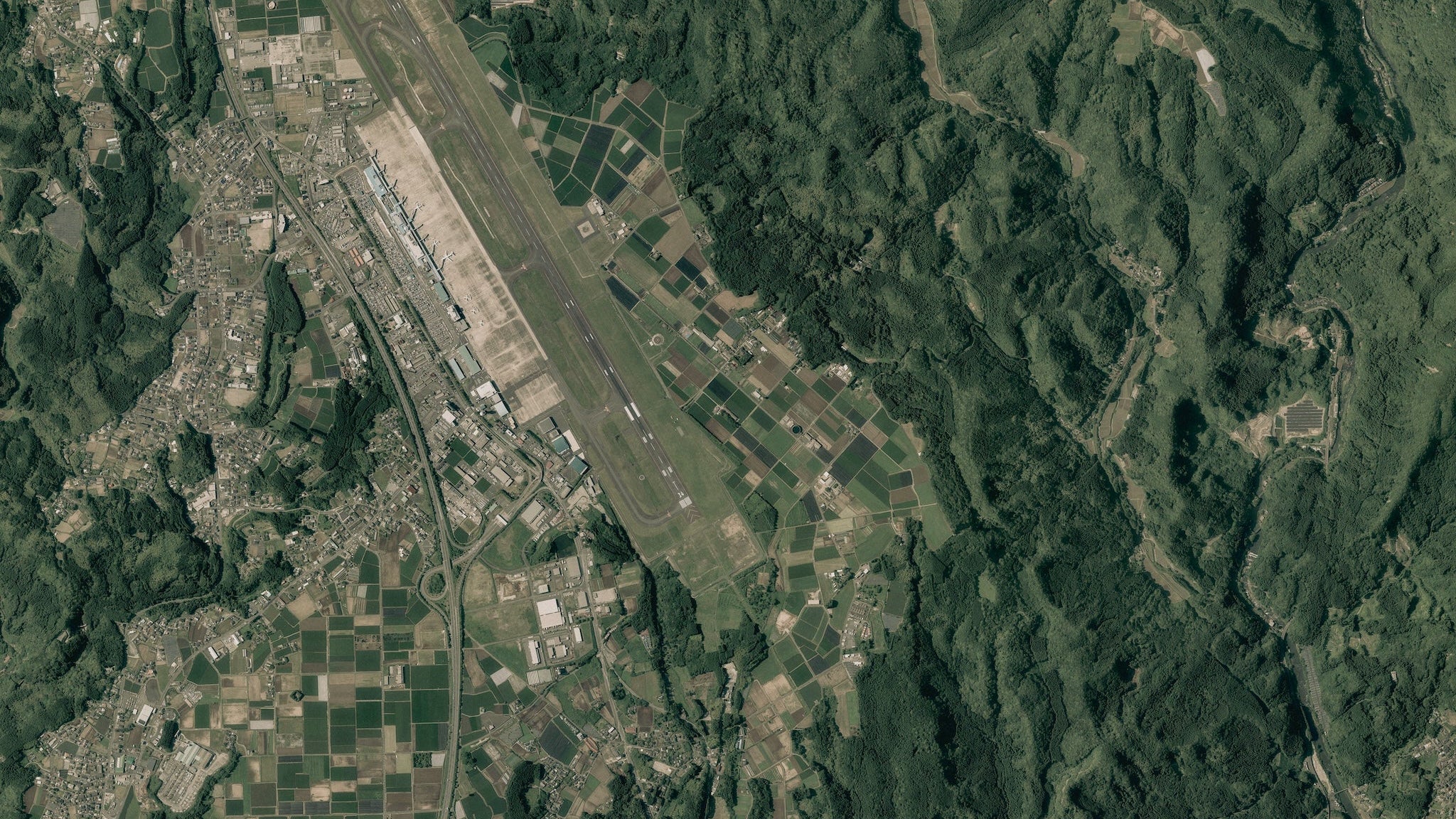
U.S. Army 8th Air Forces, April 19, 1946. Altitude 20,000 ft.
Source: Geospatial Information Authority of Japan (GSI)

1940's

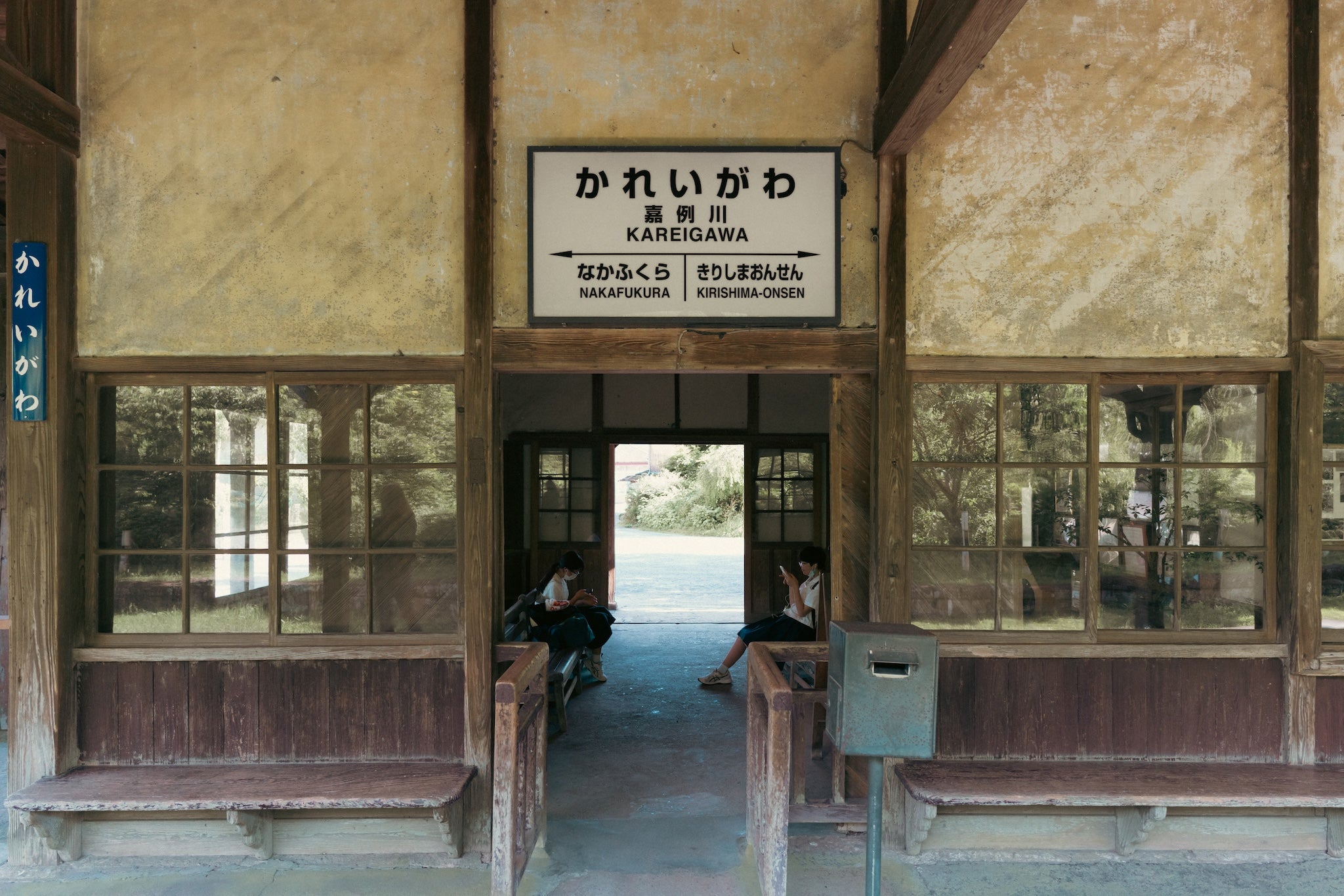
In 1925, in a settlement called Hasama, tucked within the village of Kareigawa in Kirishima, Kagoshima, Hisae
Imamura was born. The second daughter of eight children.

Hasama is a place where the terrain folds in on itself like a ravine. Close to the water source, the settlement
sustained a layered way of life, crop farming, cattle raising, and work drawn from the surrounding mountains, all
woven together. From an early age, Hisae's daily life was shaped by the fields and the cattle beside her.

Rather than relying on any single thing, people here listened to the land, helped one another, and built their lives
accordingly. It was a quiet, practical way of living. The Kirishima way.

動画を読み込む動画を読み込む
 

Beginning

OF A NEW

INDUSTRY

1947. The war was over, and Japan began rebuilding. The government pushed to expand black tea production,
hoping to recover lost foreign currency. Southern Kyushu, with its warm climate and volcanic ash soil, was identified early as ideal ground. Miyazaki, Kumamoto, Kagoshima. Farmers across the region took on the challenge of growing tea. It was not just agriculture. It was an effort to rebuild livelihoods and root a new industry in the land.

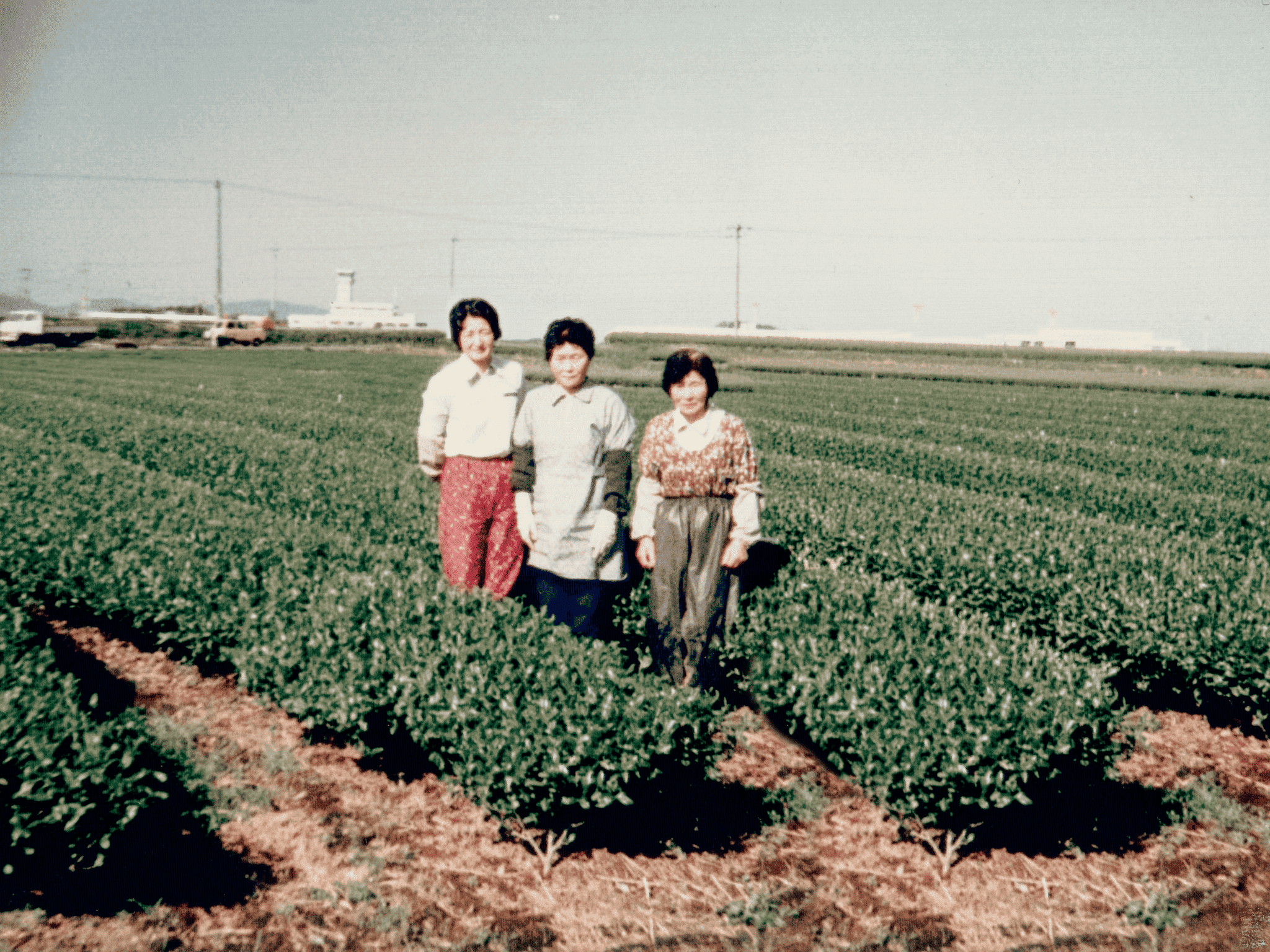
Hisae, in Kirishima, was one of those who planted tea. While continuing to raise cattle, she began putting tea
plants into this soil. Quietly. Hands always moving. Supporting her family and their life without a word.

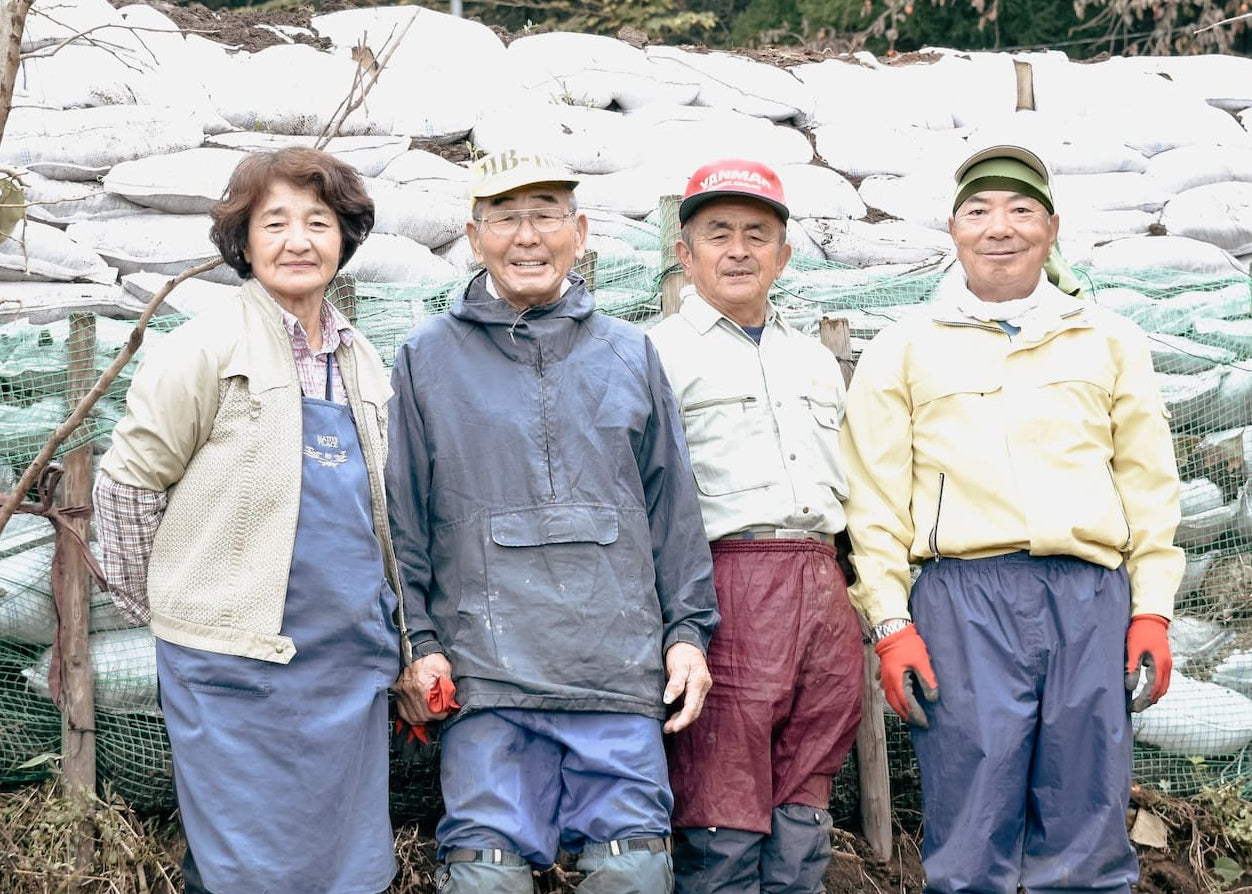
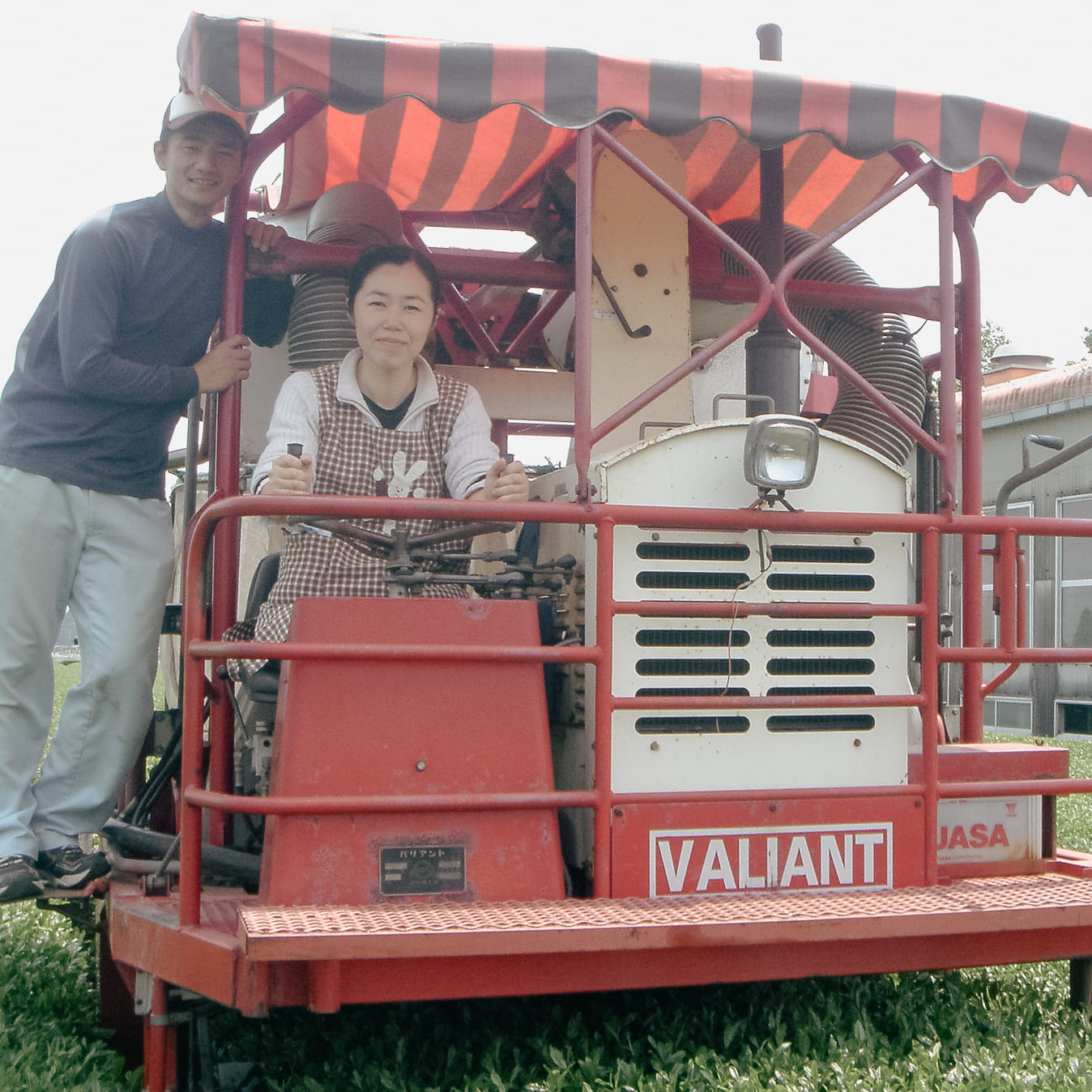
Hisae Imamura with family in a tea field, with the opening of Kagoshima Airport in the background (今村ヒサエと家族・茶畑にて、鹿児島空港開業を背景に)

A SEED IN THE SOIL

This small step would become the beginning of what followed: Imamura Tea Plantation.

By the 1960s, the landscape shifted dramatically. Japanese black tea lost its competitive edge abroad, while domestic demand for green tea surged. Production gradually pivoted from black tea to sencha, and Kagoshima grew into one of Japan's leading sencha regions.Yet one thing at Imamura Tea Plantation never changed. The native cultivar "Yamato Midori", the very plants Hisae first put into the ground, still lives on as black tea, even now, in the age of sencha.

January 15, 1925 to January 13, 2014

HISAE

IMAMURA

今村 ヒサエ

Born in Hasama, Kareigawa Village, Aira District, Kagoshima, as the second daughter of eight children. From childhood, her life was defined by the fields and the cattle. Gentle in nature, yet strong at the core. Patient beyond measure. She never raised her voice. She simply kept her hands moving, supporting her family and their livelihood through every season. She worked in cattle farming while tending tea, and never stopped until the very end. She loved handicrafts and knitting, and on winter nights, her hands kept working, this time for her family's warmth. Her handmade soba was famous in the neighborhood, and above all else, she valued welcoming others into her home. She never boasted of her strength. She never spoke of her effort. She simply accepted the land and the role she was given, and quietly carried on. That posture, that way of being, is the origin of Imamura Tea Plantation.

Geospatial Information Authority of Japan, September 28, 1970. Scale 1:20,000. Ref: MKU704X-C2A-14
Source: GSI Map and Aerial Photo Viewing Service

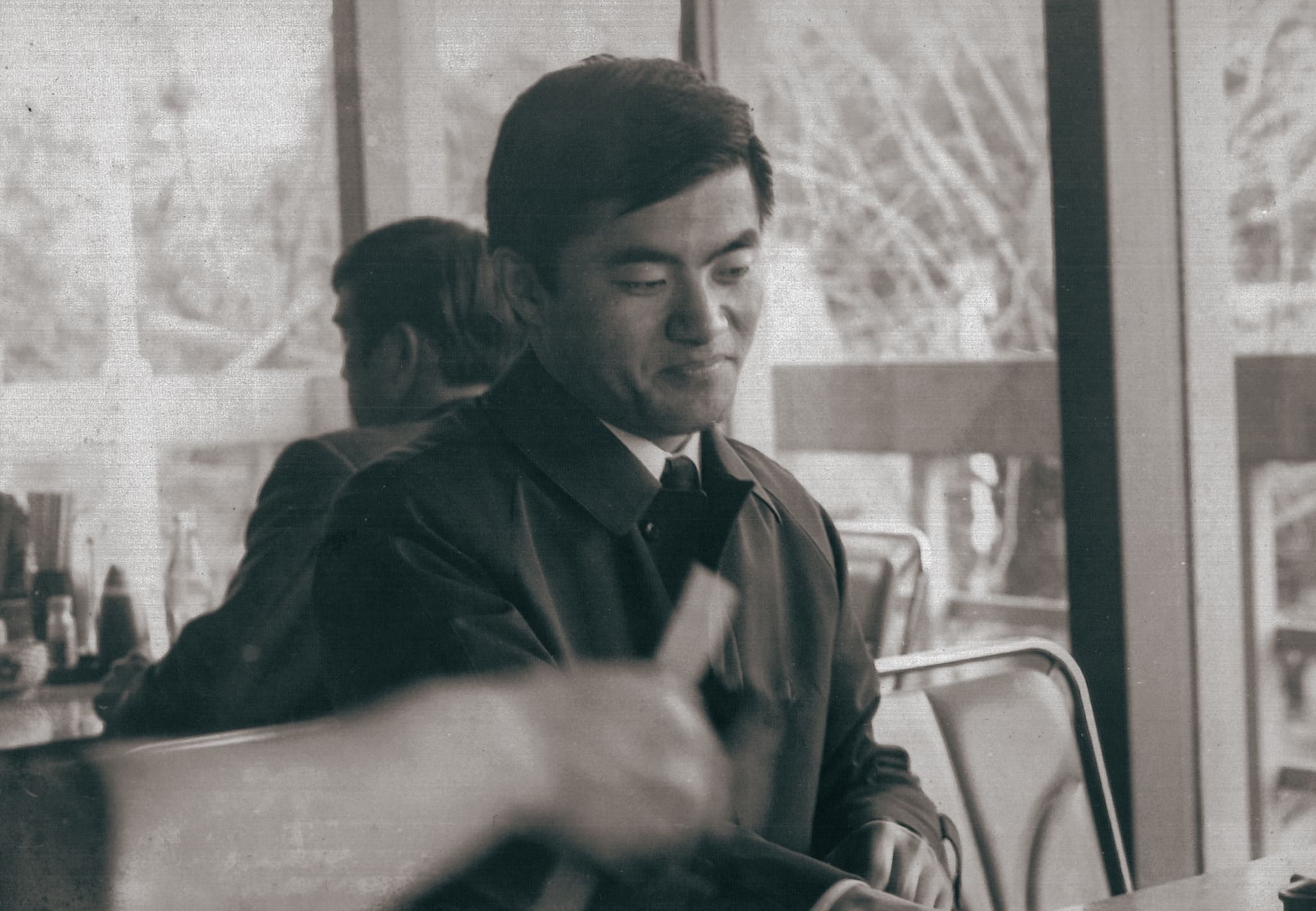
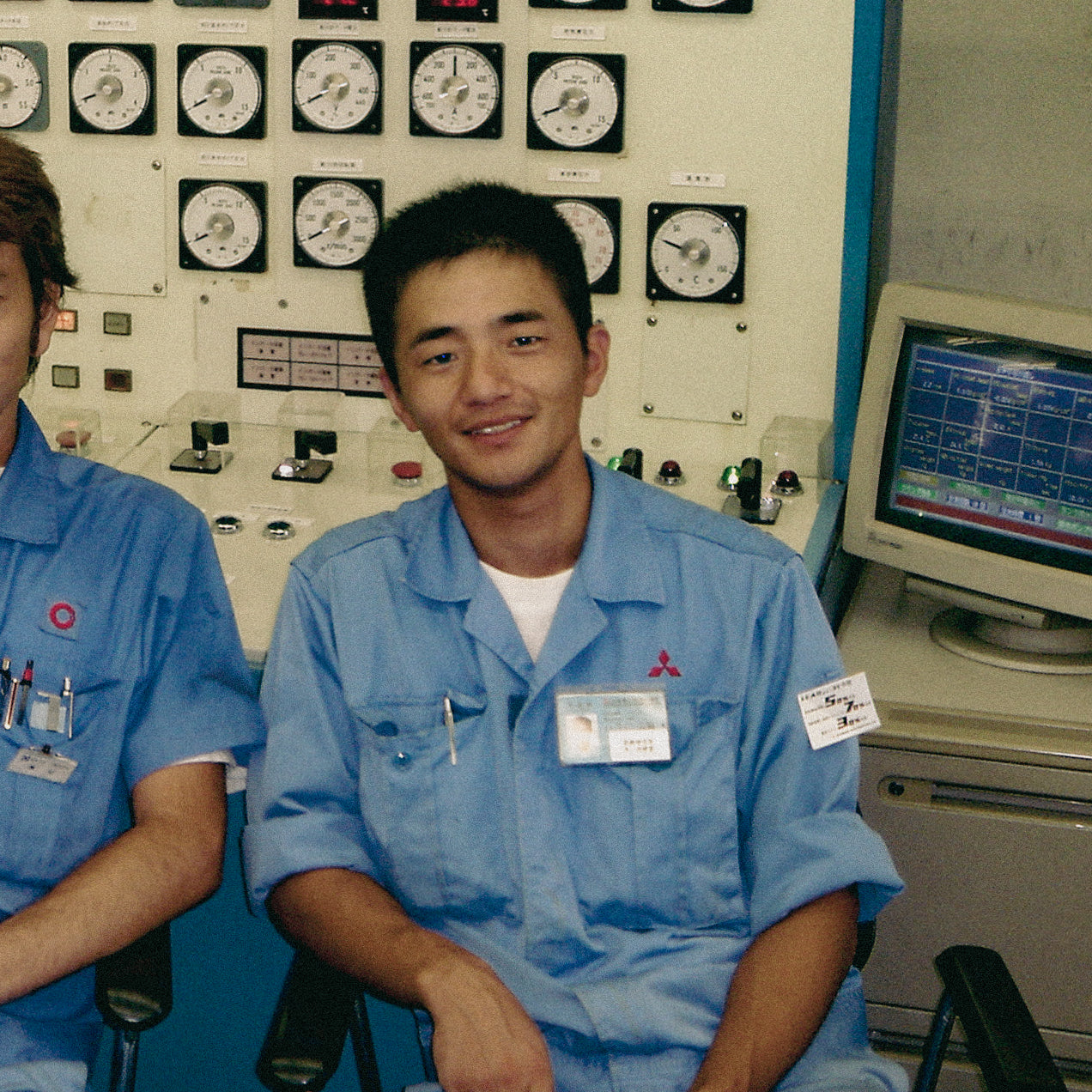
Yoshiharu Imamura during his engineering career in Tochigi, Japan (今村義治・栃木でのエンジニア時代)
 

Engineer’s

STARTING POINT

Born in 1948 in Hayato Town, Aira District, Kagoshima, Yoshiharu graduated from a national college of technology and joined Hitachi, Ltd. It was the height of Japan's rapid economic growth. Industry was expanding at an extraordinary pace, and he was right in the middle of it.

At the time, industrial ambition was reaching beyond land, toward the sea, and then toward space. Yoshiharu, too, was drawn to ocean development, envisioning a future of marine resource exploration.

But his first assignment was something else entirely: the launch of a new air-conditioning factory.

Not the ocean he had imagined. The interior of an enormous factory. There, for roughly four years, Yoshiharu managed and controlled entire production lines. Automated control systems. Control software written in assembly language. Cutting-edge technology with few precedents in Japan at the time, implemented as part of a dedicated project team.

It was not the place he had wanted to be. And yet, the skills and perspective he gained there would later form the foundation of everything he built in tea.

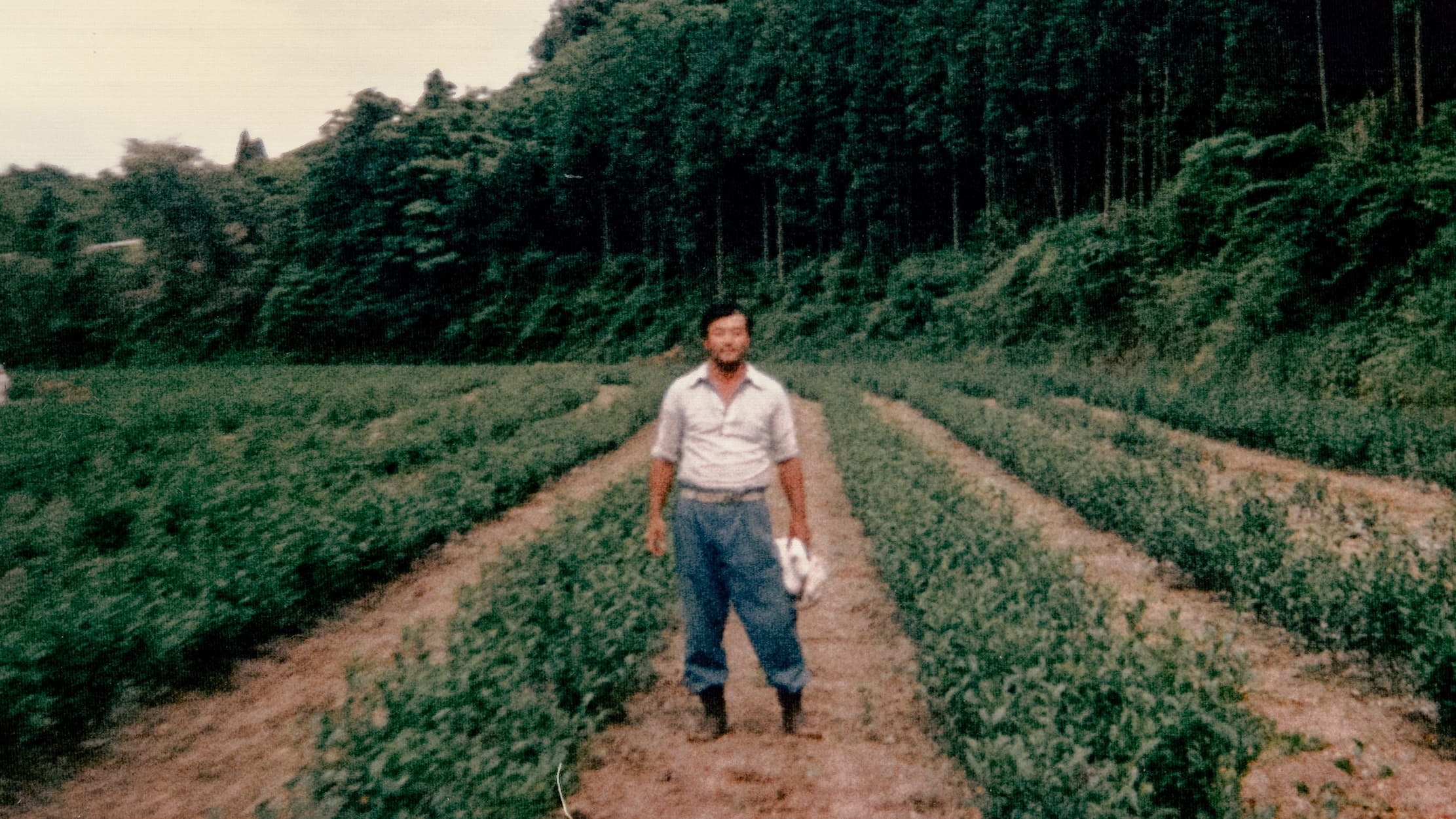
Yoshiharu Imamura in a tea field in Kirishima, Kagoshima, Japan (今村義治・霧島の茶畑にて)

THE DECISION TO RETURN

Even while standing on the front lines as an engineer, a voice from Kirishima began to reach him.

"Come home."

One sentence from his family. The decision to leave the company took three years. While still working in the production engineering department, he wrestled with the choice, thinking, questioning, fulfilling his responsibilities to the end. It was not a job he could easily let go.

When Yoshiharu returned, it was to his wife Junko's hometown. He chose to build his life on this land.

動画を読み込む動画を読み込む

It Means NOTHING WITHOUT YOU

About three years after the airport opened, tea cultivation had begun to take hold in the surrounding area.

Back in Kirishima, Yoshiharu threw himself into tea farming. But it was not something he could live on right away. Tea plants take years before they can be harvested. During that time, he and Junko continued raising cattle, keeping their livelihood afloat.

Eventually, as tea production stabilized, Yoshiharu devoted himself fully to tea.

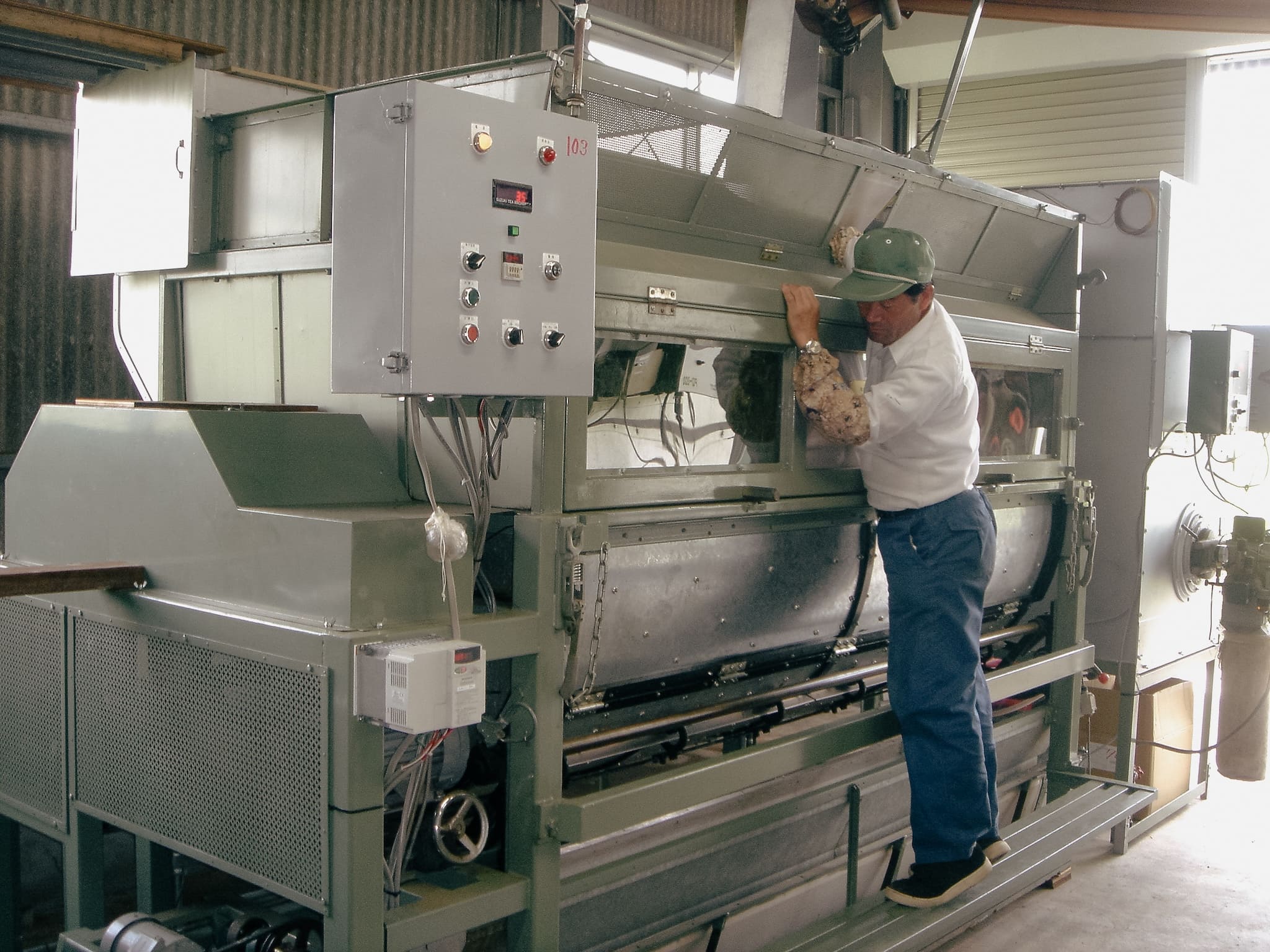
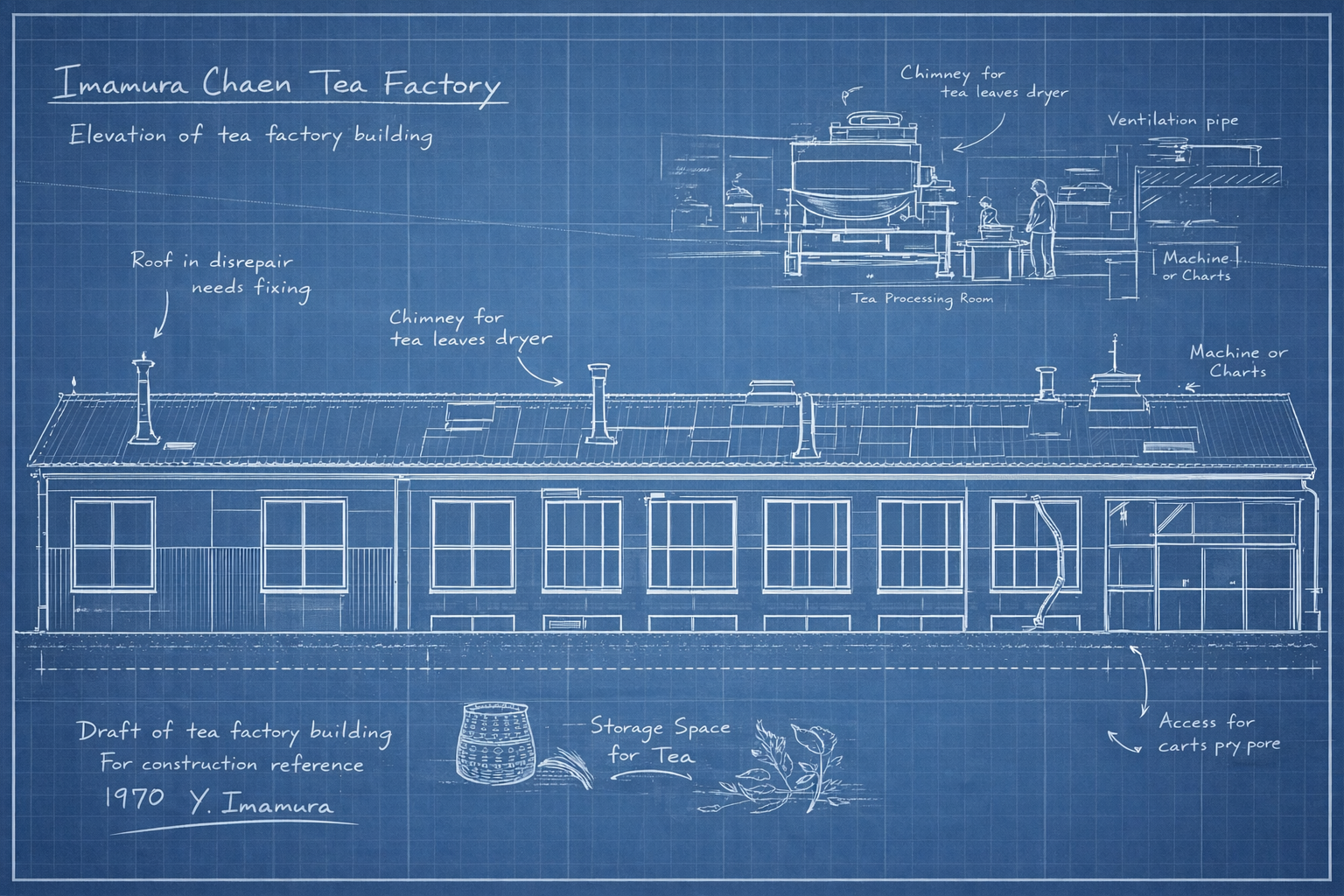
Until then, the standard practice was to grow and harvest tea, then bring it to a nearby factory for processing. This is where the engineer's eye kicked in. Yoshiharu built his own tea processing factory, one that could handle everything from cultivation to manufacturing and finishing, all under one roof.

Right next to it stood Hisae's cowshed. Even then, Hisae was still tending the cattle while lending a hand with the tea.

Most of the finished tea went to wholesalers, tea merchants, and auction markets. But that alone could not carry their tea all the way to the people who would drink it. In time, the cowshed was transformed into a roasting facility, and a system took shape where the family could handle everything, from roasting to sales, on their own.

The tea fields kept expanding. Under Yoshiharu, they grew to roughly 18 hectares. The equivalent of four Tokyo Domes.

動画を読み込む

In those days, much of Kagoshima's tea was shipped to other regions and used as blending material. To add color, supplement flavor, or increase volume. It was still rare for Kagoshima tea to reach consumers as "Kagoshima tea."

The connection that changed everything for Yoshiharu was a wholesaler in Yame, Fukuoka.

Yame tea is nothing like Kirishima tea. The aroma hits hard. The umami runs deep. There is a force to it, the moment it touches your mouth, something rises up through your body. A different direction entirely from the gentle sweetness of Kirishima tea.

Under the guidance of this Yame wholesaler, Yoshiharu kept pushing to meet their demands. Better. Higher. It

was never easy. Machines do exactly what you tell them. Tea plants do not. The soil, the temperature, the rainfall. Everything changes year to year. The same field never produces the same tea twice.

And yet, those years of answering that call shaped the character of Imamura tea. Rooted in Kirishima, but diverging from what Kirishima tea typically is. A strength you can taste the moment it hits your palate. That comes from the years spent with the Yame wholesaler.

No matter how much skill or effort goes into making tea, none of it matters without people who love it and drink it.

Forty years. Fifty years. What Yoshiharu built was not just technique. It was relationships. Trust. Cooperation. Living within the community, walking alongside others. That stance itself became the foundation of his tea making.

動画を読み込む動画を読み込む

Yoshiharu often says this:

"Everything looks like tea to me. I end up connecting everything back to tea."

Whether you are facing tea or facing people, the outcome is up to you. A life steeped in tea. It continues tomorrow.

Portrait of Yoshiharu Imamura of IMAMURA Tea Plantation in Kagoshima, Japan (今村義治プロフィール写真)

Born August 23, 1948

YOSHIHARU

IMAMURA

今村 義治

Born in Hayato Town, Aira District, Kagoshima. After graduating from a national college of technology, he joined Hitachi, Ltd. as an engineer, working at the cutting edge of automated control systems. The hands that once operated massive production lines eventually became the hands that picked tea leaves. After returning to Kirishima, he took the Imamura name and began building a tea operation from the ground up: an integrated system spanning cultivation, processing, and management. He expanded the Tea Plantation to roughly 18 hectares. "Everything looks like tea." True to those words, he still stands in the fields today.

Geospatial Information Authority of Japan, June 3, 2023. Scale 1:10,000. Ref: CKU20233-C10-14
Source: GSI Map and Aerial Photo Viewing Service


Another

FORM OF FREEDOM

But gradually, a sense of unease crept in. Overtime was restricted. Every decision required a supervisor's approval. The gap widened between who he was, someone who wanted to lose himself in his work, to push things to their limit, and the way organizations required him to operate.

He had left home seeking freedom. What he found was a different kind of constraint.

Meanwhile, back in Kirishima, things were changing fast. Demand for bottled tea beverages was exploding across Japan, and tea production was busier than ever. His father Yoshiharu could no longer manage it alone.

In 2004, at 27, Hirotsugu made the decision to return to Kirishima with his wife, Satomi. Going back to the very place he had sworn he would never take over. A choice made of his own will.

Tea fields swaying in the wind, and beyond them, the Kirishima mountains stretching into the distance. A landscape he had seen his entire life. And yet, it looked completely different now.

What awaited him was a reality harsher than anything he had imagined. From a salaried life with weekends off to the relentless rhythm of a tea farm with no days off. His body could not keep up with the shift. And the tea making itself was one failure after another. With almost no knowledge or experience, the leaves would not grow the way he wanted. No matter what he tried, the taste never satisfied him. Five years of frustration and self-doubt.

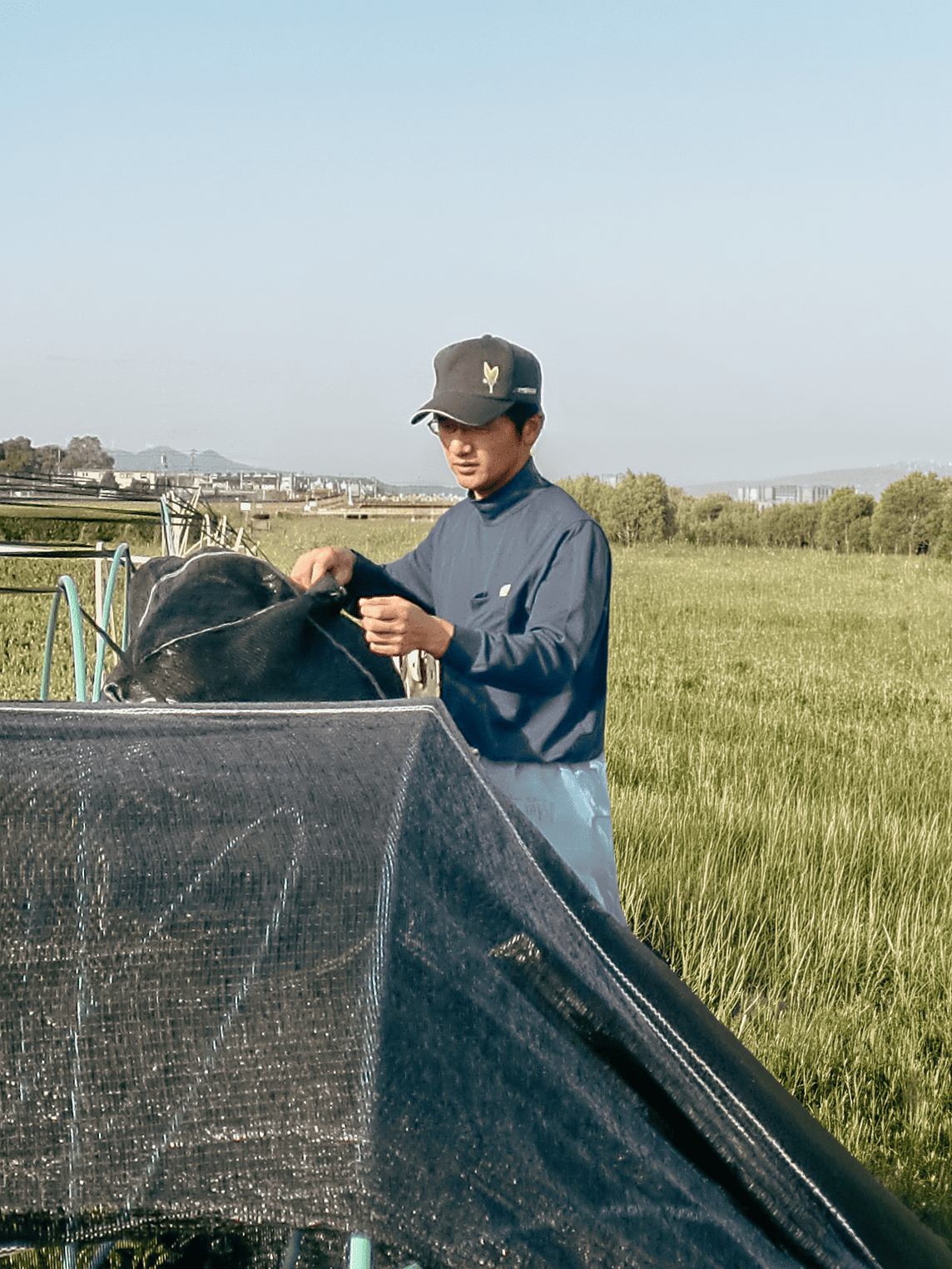
Hirotsugu Imamura in a tea field after returning to Kagoshima, Japan (今村広嗣・鹿児島に帰郷後、茶畑にて)

TASTE OF FREEDOM

Then, a memory surfaced.

When he was still young, his father Yoshiharu had taken him to Shizuoka. In the tatami room of a tea farmer's house, a single cup of roji-cha, open-air grown tea, was placed before him. The moment it touched his lips, a vivid aroma shot through his nose. On his tongue, a deep, layered aftertaste lingered. Even after the cup was empty, something kept unraveling quietly inside his body.

In that single cup, Hirotsugu had felt something he could only call freedom.

That memory never faded. Over time, it became the compass for his tea making. Through years of failure, Hirotsugu inched closer to what he had tasted in that cup. It took fifteen years. Slowly, the failures began to connect.

動画を読み込む動画を読み込む

While inheriting the Plantation Yoshiharu had built, Hirotsugu searched for his own way forward.

There was a conviction Yoshiharu had held onto for years: to grow tea without pesticides, relying on the strength of the soil. In earlier times, when demand for pesticide-free tea was low, he had been forced to set that dream aside. Hirotsugu took it up. He began expanding the organic fields, little by little. Using local Kirishima black vinegar. Fermenting his own pest-repellent solution from neem, the seeds of the Indian lilac tree. Because these were fields his family worked with their own hands, he wanted to use only what they could fully understand. More labor. More risk. But he wanted the power of this land to come through in the tea, unchanged.

Great tea cannot be made unless the environment, the fields, the factory, is right. And that is something no one can do alone. There is the family. There are the hands of the people in the community. Only when everyone can work in good spirits can you deliver tea with confidence. That is what Hirotsugu came to believe.

In 2013, at 36, he took over from his father as head of the Plantation.

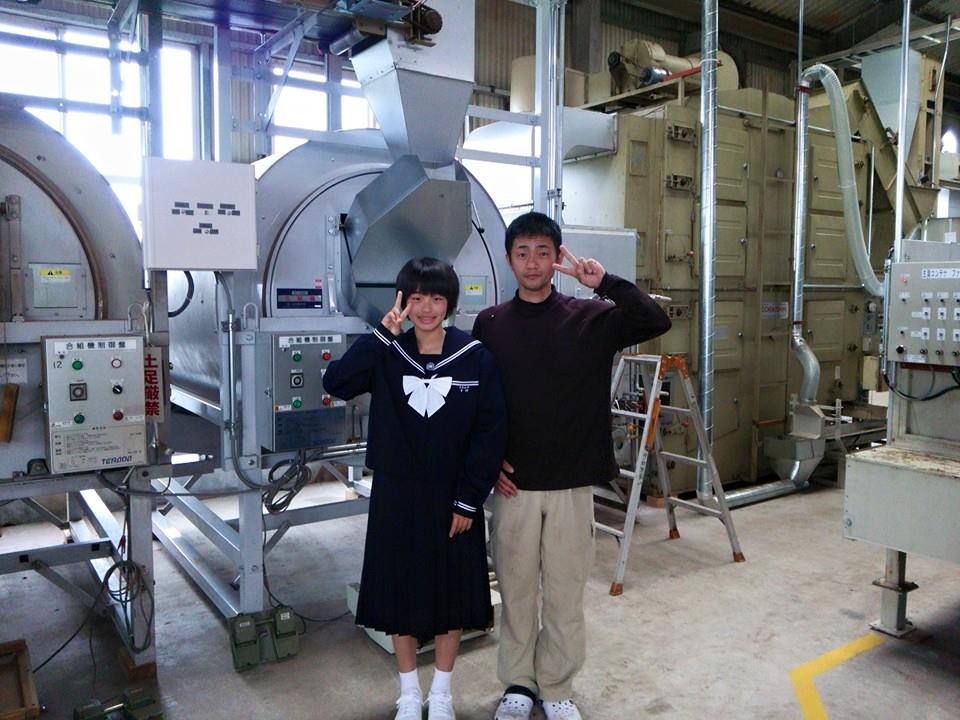
Hirotsugu Imamura at a tea factory with his daughter on her school entrance day in Kagoshima, Japan (今村広嗣・茶工場にて娘の入学式)
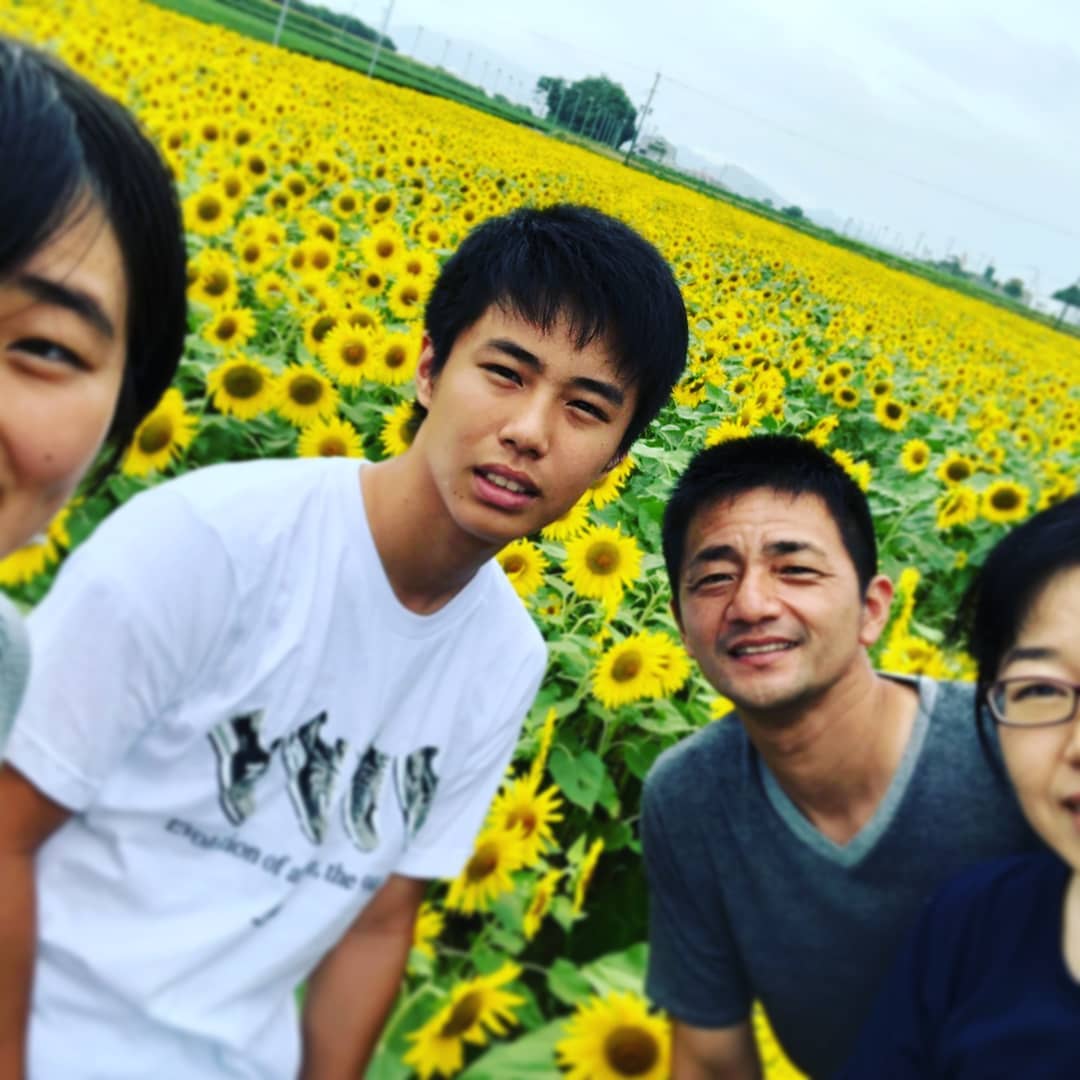
The Imamura family in front of sunflower fields and tea fields in Kirishima, Kagoshima, Japan (今村家・ひまわり畑と茶畑をバックにした家族写真)
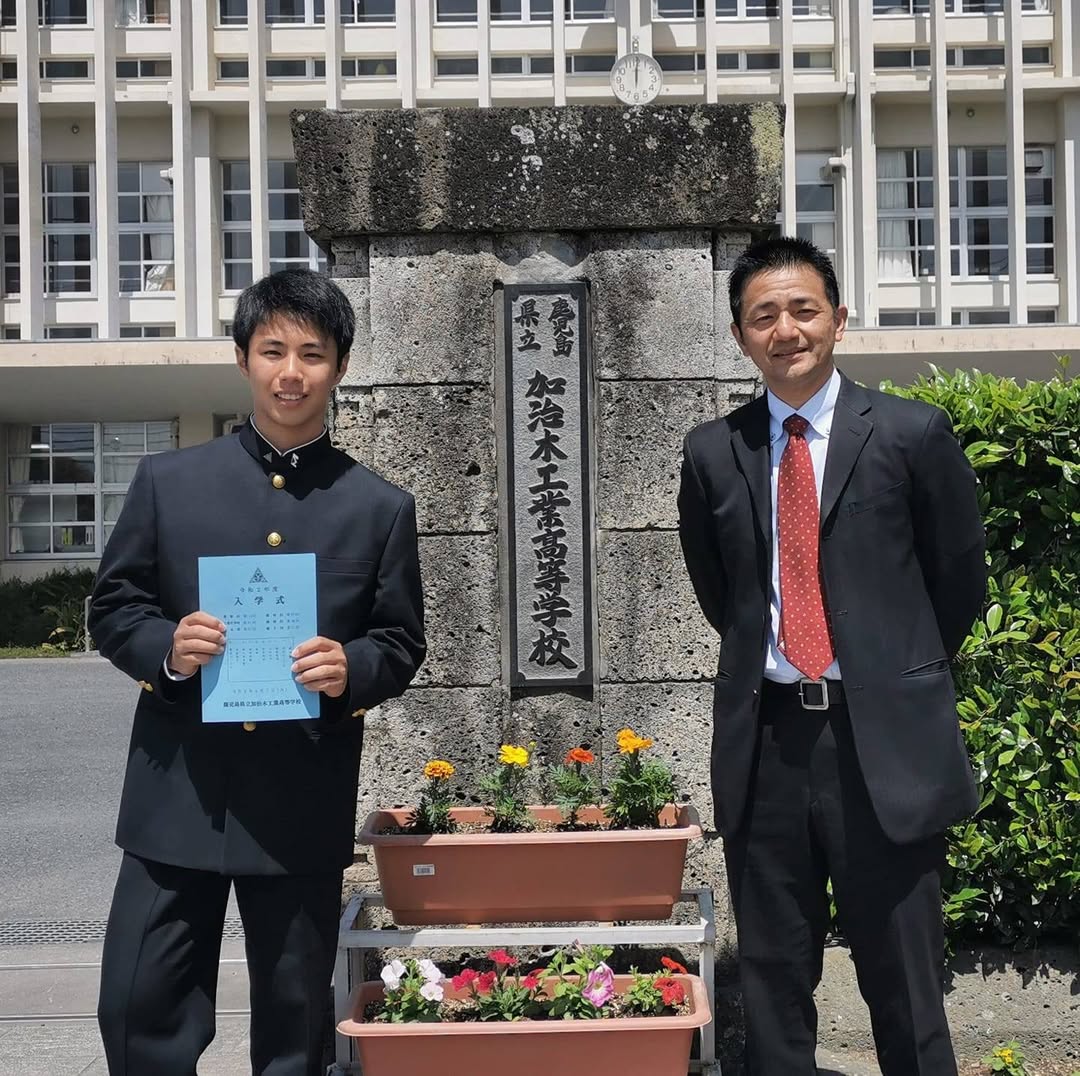
Son at his school entrance ceremony in Kagoshima, Japan

In pursuit of the perfect cup. That journey continues still.

Born February 1, 1977

HIROTSUGU

IMAMURA

今村 広嗣

Born and raised in Kirishima, Kagoshima. Studied mechanical engineering at the National Institute of Technology, Kagoshima College. After working at a Mitsubishi-affiliated company, he returned home in 2004. He came back to the Tea Plantation he had sworn he would never inherit, and took up the dream of pesticide-free farming his father had carried for years, expanding the organic fields step by step. In 2013, he became the representative. The memory of a single cup he encountered in Shizuoka still guides him. The journey is far from over.

Sony α7R IV (ILCE-7RM4), FE 35mm F1.4 GM
April 19, 2024. Photographed by Shimazu Yoshihiro

動画を読み込む
 

What

REMAINS

After the tea is finished,

some time passes, and something quietly comes back to you.

Not the taste.

Someone's face.

Words you exchanged.

Or perhaps, a silence that was never put into words.

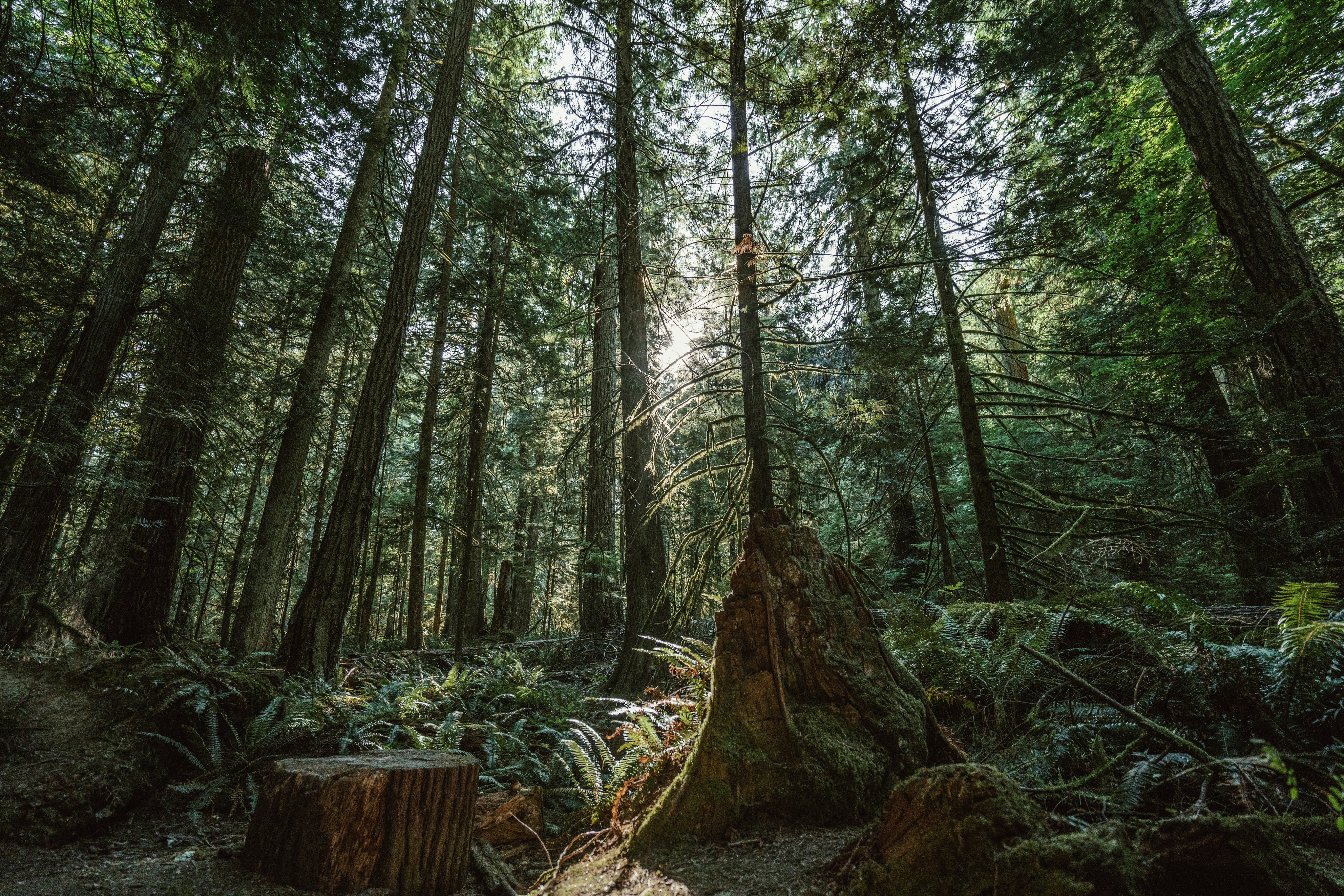
The wind of Kirishima. The smell of the soil.

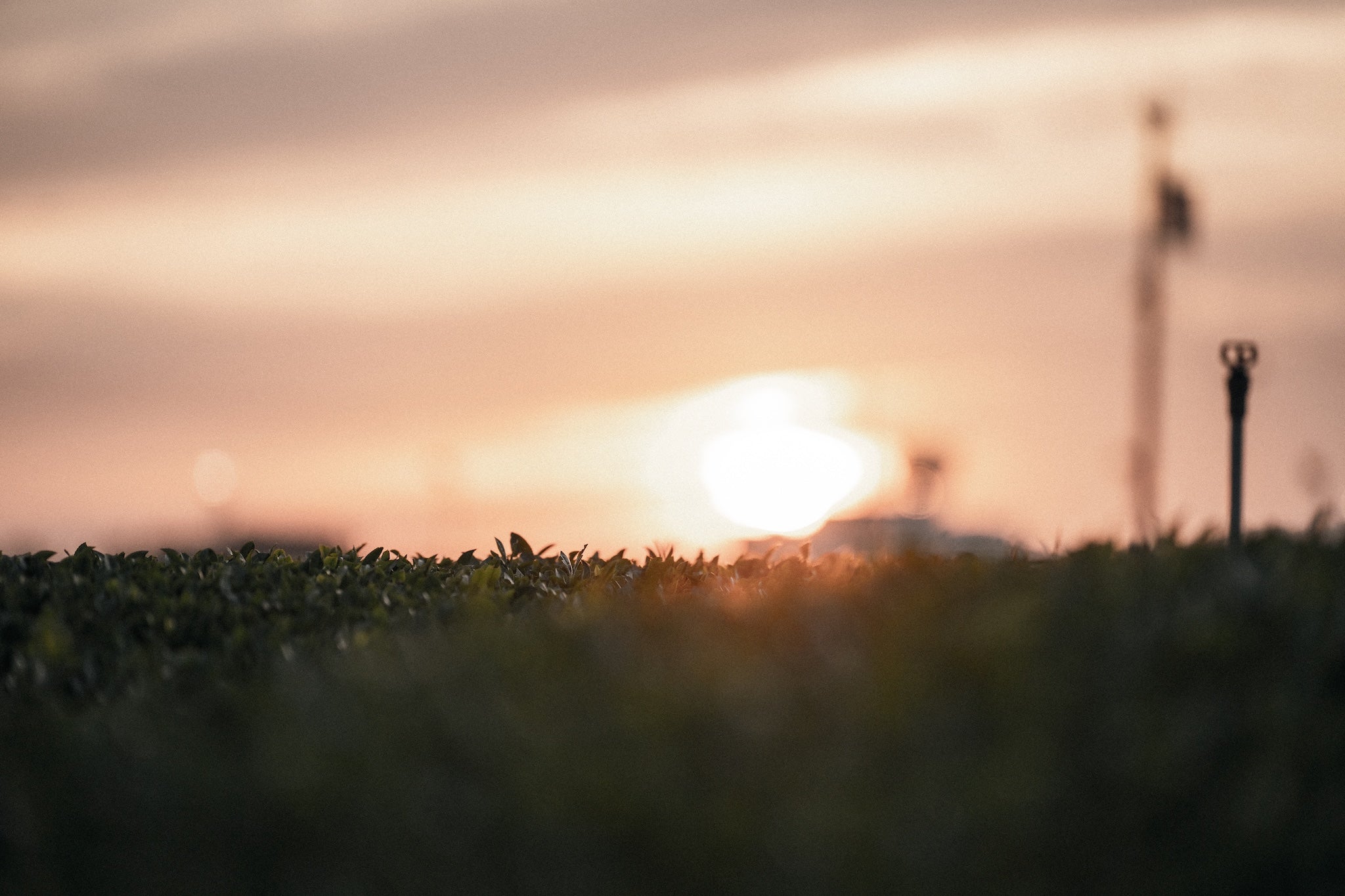
Morning air passing through the tea fields.

None of it remains in the cup.

And yet, somewhere, it remains.

Maison IMAMURA

IMAMURA TEA

PLANTATION LLC.

今村茶園

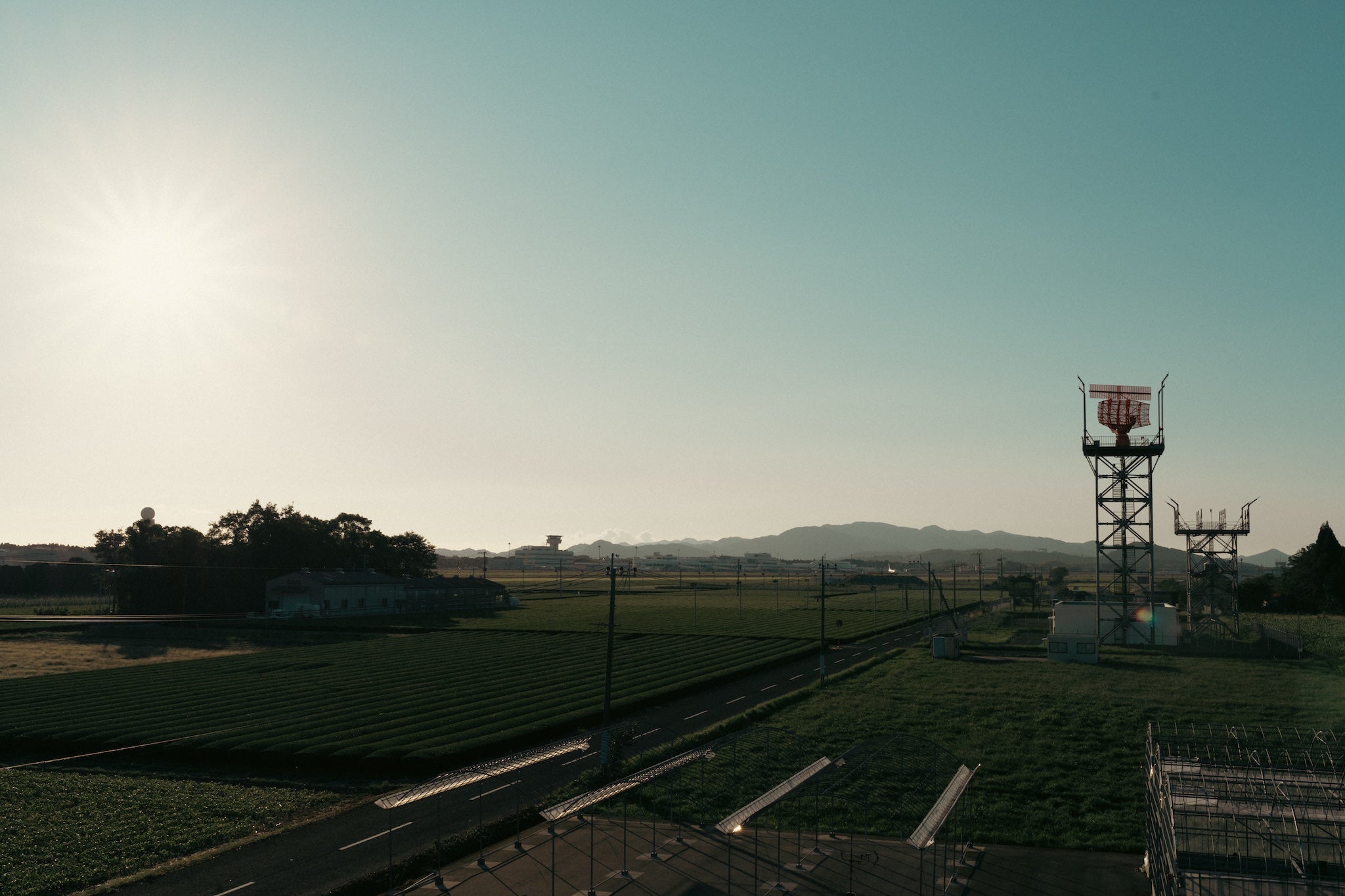
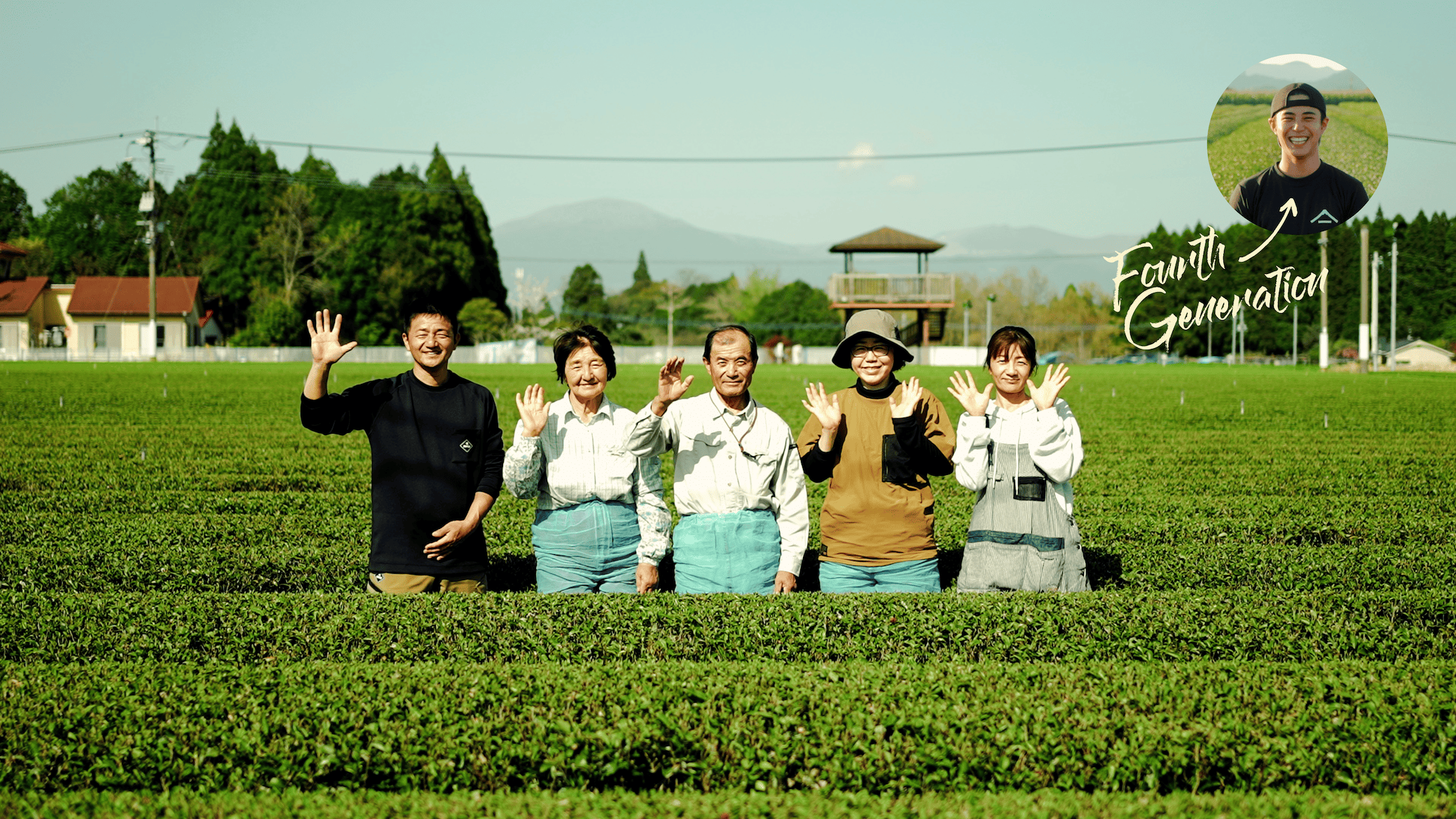
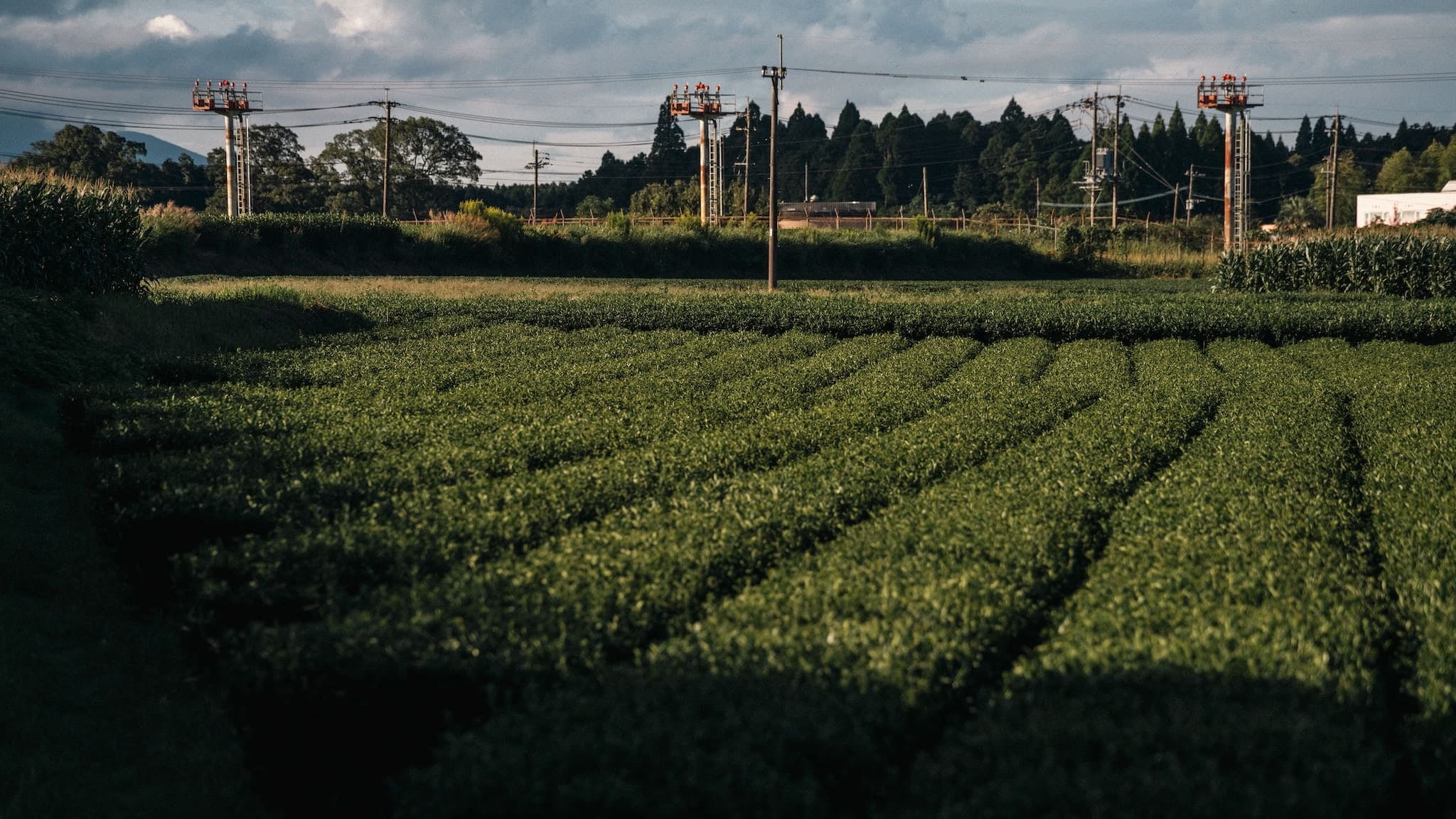
Kirishima, Kagoshima. The story of one family and their Tea Plantation, woven across three generations. It began in the 1940s, when Hisae planted the first tea on this land. Yoshiharu built the factory. Hirotsugu expanded the organic fields. Just beside them stands Kagoshima Airport, a place that has witnessed arrivals and departures for decades. The Tea Plantation has grown alongside this airport, sending Kirishima's tea out into the world.

Brand concept


Our concept, "I want the afterglow of Kirishima to linger on."
comes from a simple wish.

The memories you carry from visiting Kirishima—
the wind of Kagoshima, the warmth of its people,
the feeling of being welcomed by a gentle hometown.

Moments when you think of your family,
your loved ones,
or someone you wish to reach out to.

In those quiet, nostalgic moments,
we hope that a cup of Imamura Tea
will let you feel that afterglow once again.

We are committed to sharing the beauty of Kirishima tea
and the richness of its natural landscape
with people all around the world.

Like the resonance after a bell is struck,
the sound fades, but something still lingers in the air.
We call that yoin — the afterglow.


About This Project

Company

IMAMURA TEA PLANTATION
Established 1970

Address

655-15 Karegawa, Hayato-cho, Kirishima-shi, Kagoshima 899-5113 Japan

Contact Information

Tel 0995-43-9162
Fax 0995-43-9260

Hours of Operation

10:00 – 17:00
Closed on Sundays and National Holidays

Tea Master:Hirotsugu Imamura

When I face the craft of tea, I always hold on to a sense of “freedom.”I listen to the voice of nature, break away from fixed forms, and quietly explore the possibilities within each cup.
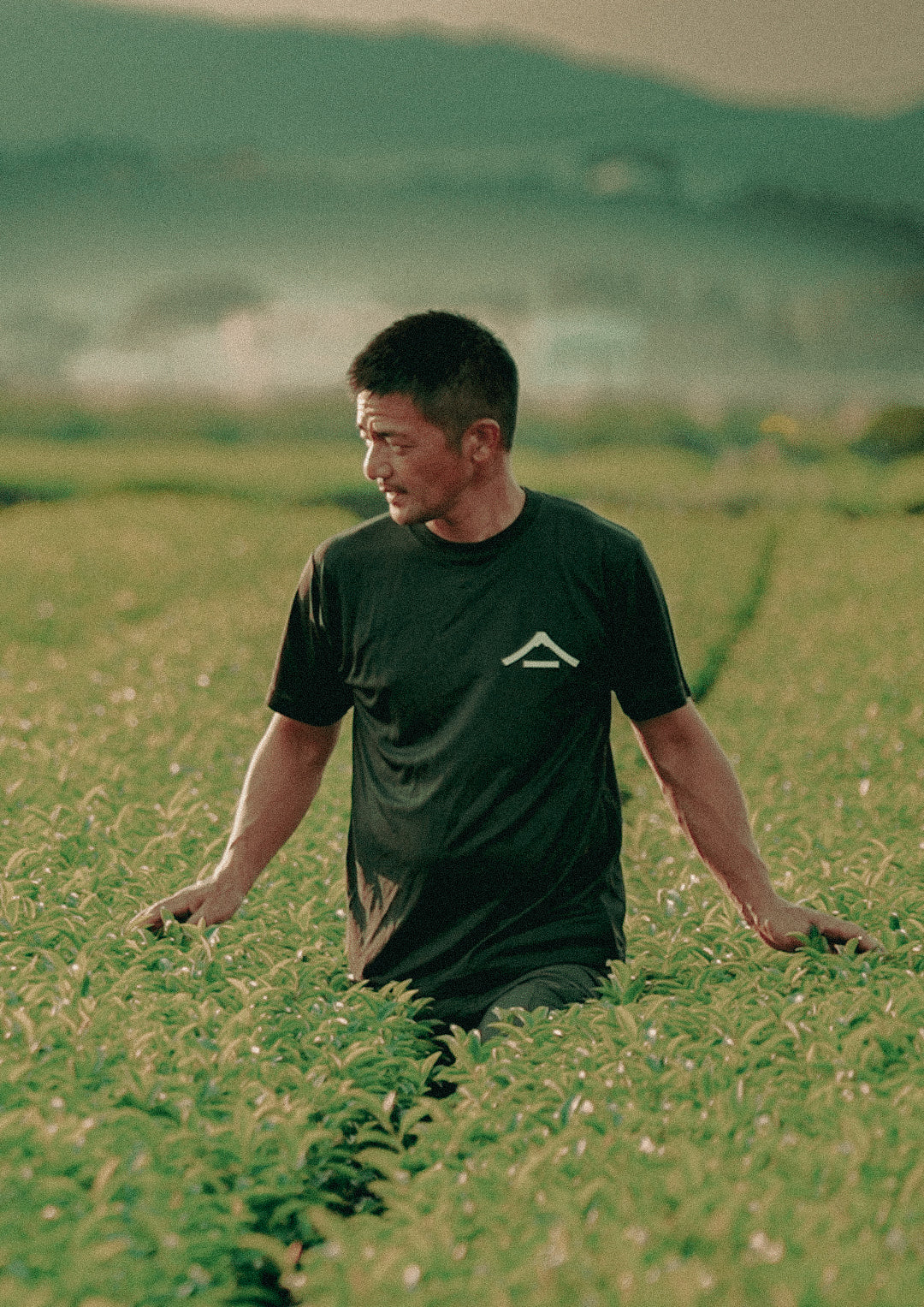
Producer:Yoshihiro Shimazu

Tea takes me places I never expected—beyond landscapes, beyond time, and sometimes even beyond myself.It keeps leading me forward, and I keep following.

Branding:I.T.P.entertainment

We deliver emotion through stories and tea, crafting moments that stay with you.

Certifications & Qualifications

有機JAS農産物生産工程管理者 認証番号: 1097
有機JAS加工食品生産工程管理者 認証番号: 加工 1108
ASIAGAP 認証登録番号:MIC-S-A460000095

Imamura Tea Plantation – ASIAGAP Certified Farm, Reg.A460000095, Kirishima Kagoshima Japan
Imamura Tea Plantation – Organic JAS Certified by Kagoshima Organic Agriculture Association, Kirishima
Imamura Tea Plantation – Kagoshima Prefectural Tea Association Chairman's Award, Kirishima
Imamura Tea Plantation – Kyushu Agriculture Director's Award, Kagoshima Prefectural Tea Evaluation
 

PRESENTED BY

IMAMURA TEA PLANTATION

© all rights reserved

I want the afterglow of Kirishima to linger on.